 1 photo
Overview
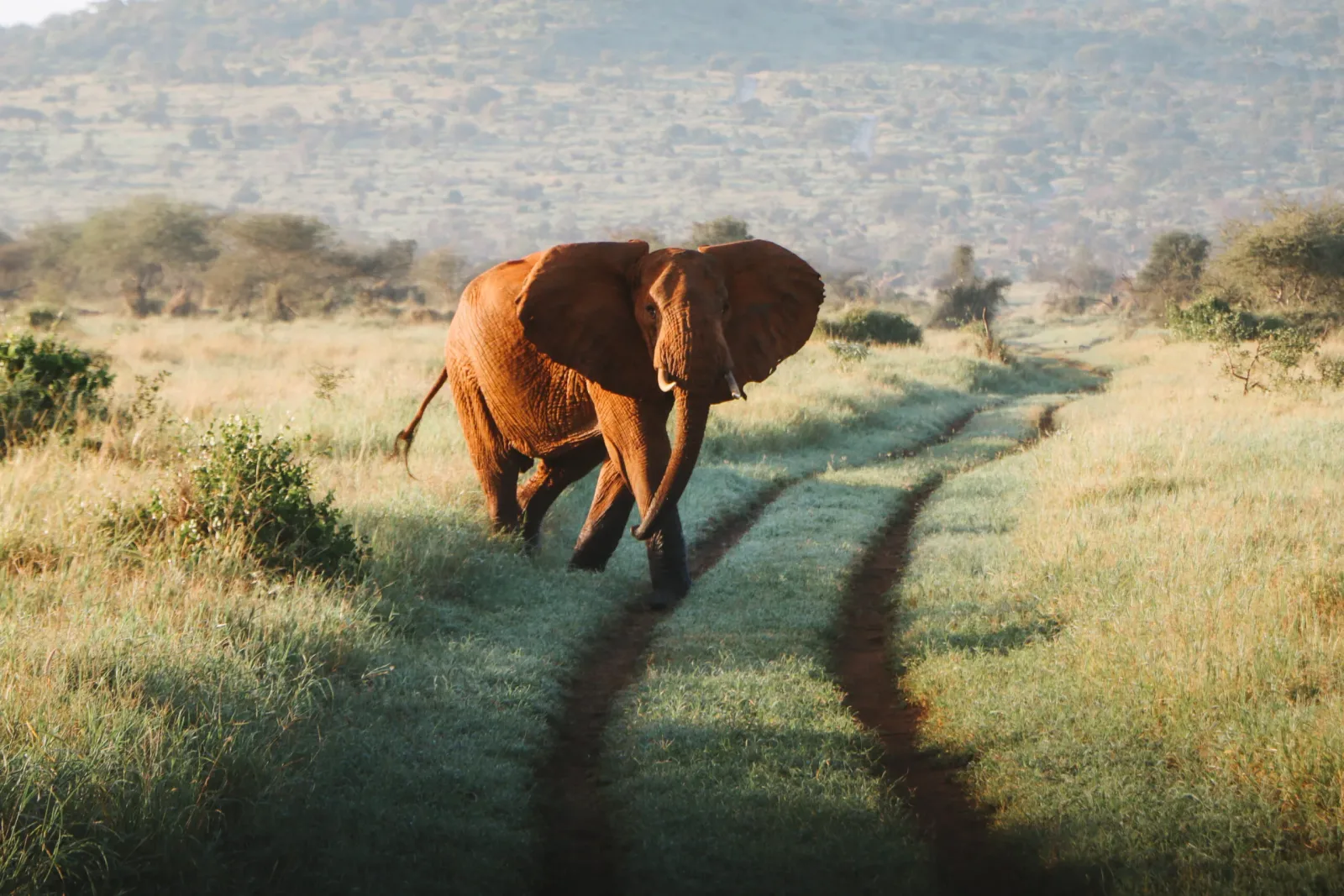
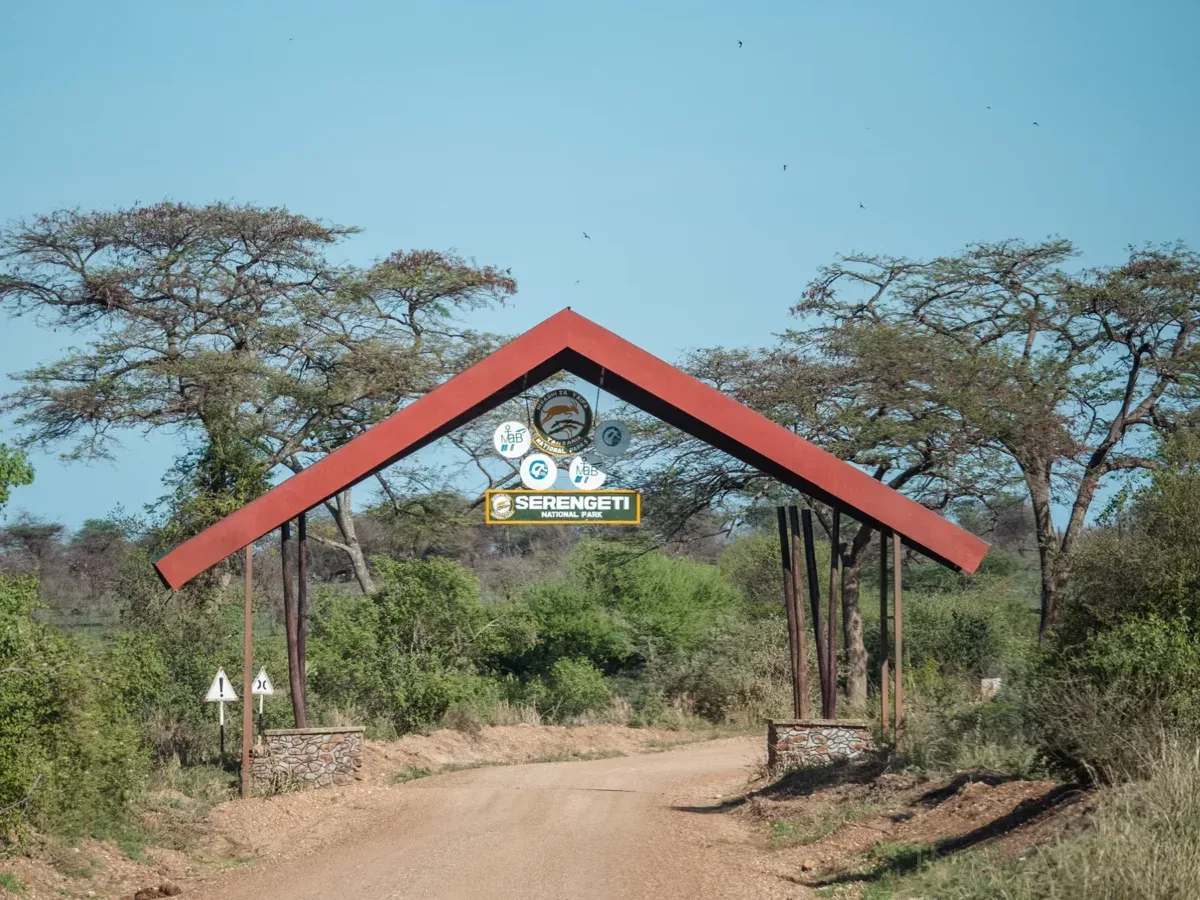
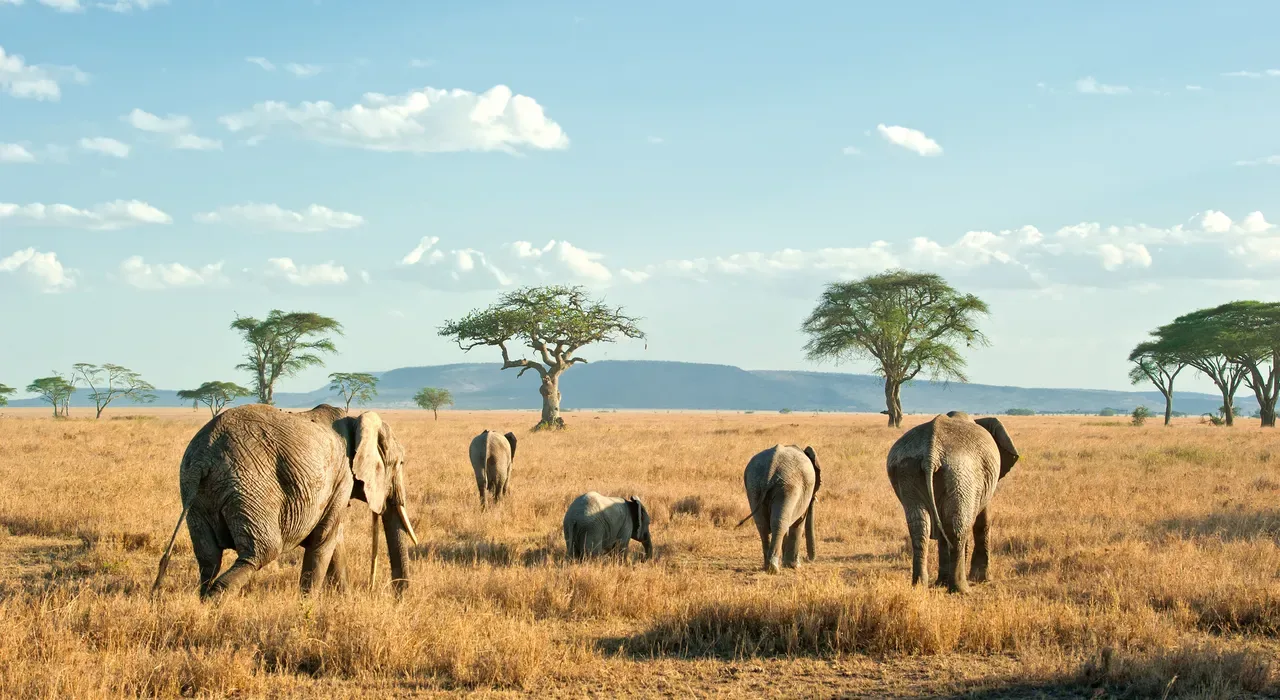
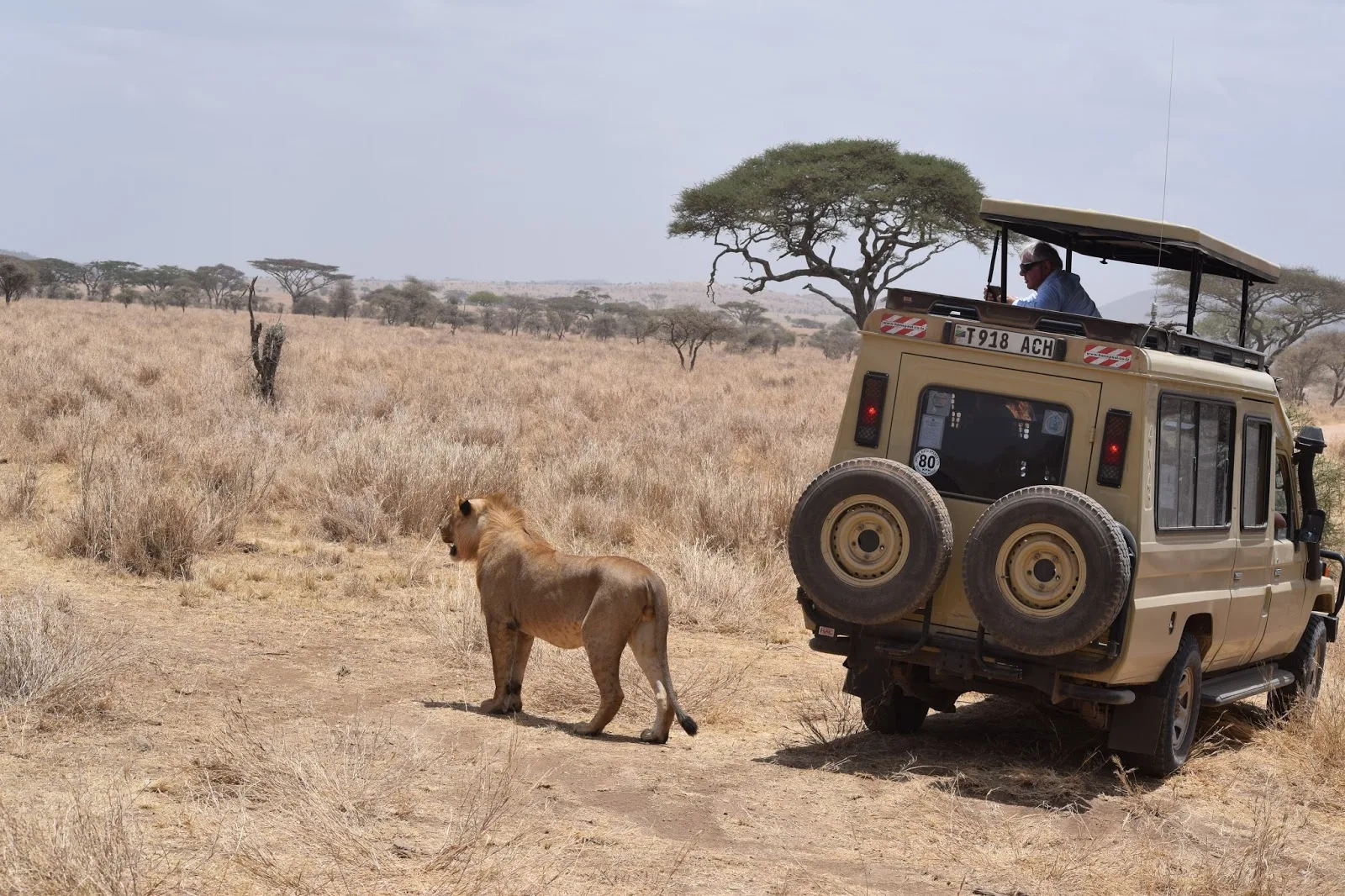
The Maasai word for this place is Siringet. It means endless plains, and standing in the southern Serengeti at dawn, with the grasslands running unbroken to the horizon in every direction and no other vehicle in sight, the name makes complete sense.
The park covers 14,763 square kilometres of northern Tanzania, and the landscape has barely changed since early humans first walked here two million years ago. Three distinct zones make up the park: the open southern plains where calving happens, the Seronera Valley in the centre where resident wildlife concentrates year-round, and the northern woodlands near the Mara River where the Migration's most dramatic crossings take place.
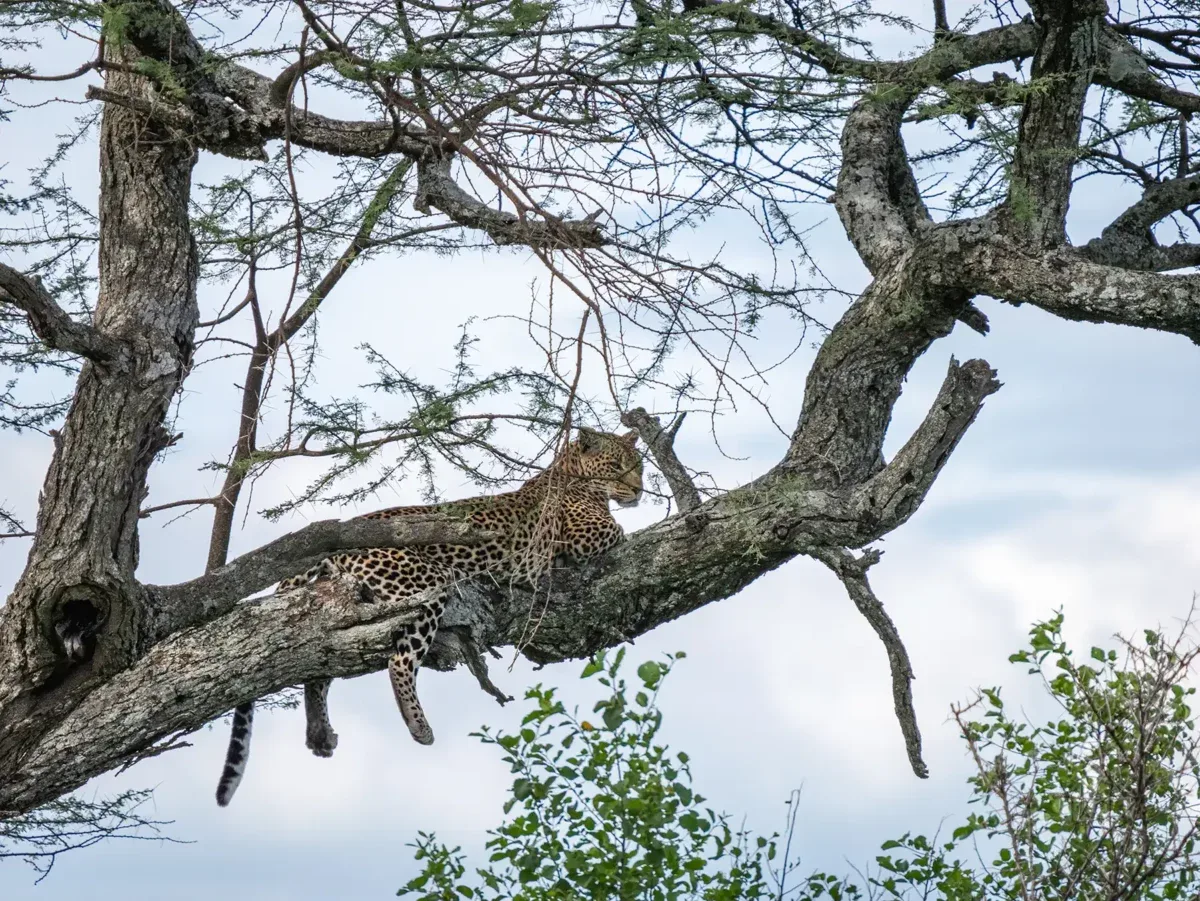
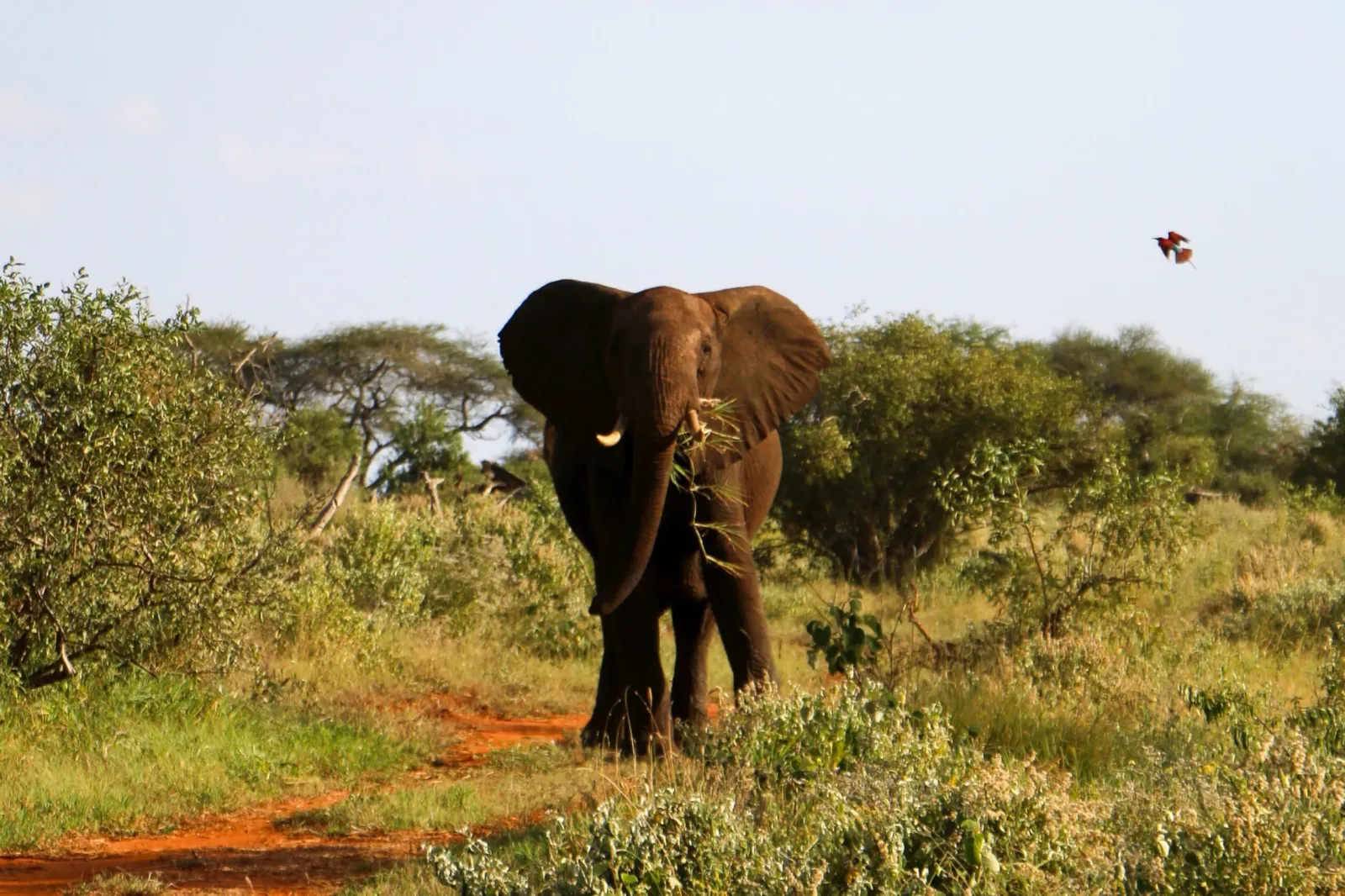
In 2025, the Serengeti was named Africa's Leading National Park and Africa's Leading Big Five National Park at the World Travel Awards. The Big Five, including the black rhino, are all resident, predator density is among the highest on the continent, and between 2,000 and 3,000 animal species live within the ecosystem.
History
The Serengeti has been a UNESCO World Heritage Site since 1981, one of the first national parks in Africa to receive the designation, recognised for an ecosystem that has functioned largely without human interference for over two million years. In 2025 it was named Africa's Leading National Park and Africa's Leading Big Five National Park at the World Travel Awards.
Niche Features
Three to five distinct zones, each delivering a different experience: the Southern Plains (short-grass calving grounds, Dec-Mar); the Seronera Valley (the park's most consistently productive game-viewing area, resident big cats year-round); the Northern Serengeti & Lamai Triangle (the Mara River crossings, Jul-Oct); the Western Corridor (the Grumeti River crossings, May-Jul); and the Grumeti Reserve, a 350,000-acre private concession bordering the park where night drives and walking safaris are permitted.
Over 500 bird species and between 2,000 and 3,000 animal species recorded within the ecosystem, including 70 large mammal species. The Migration here runs in two acts: the calving season on the southern plains (Dec-Mar) and the Mara River crossings in the north (Jul-Oct); most parks host only one of the two, the Serengeti hosts both.
Attractions & Activities
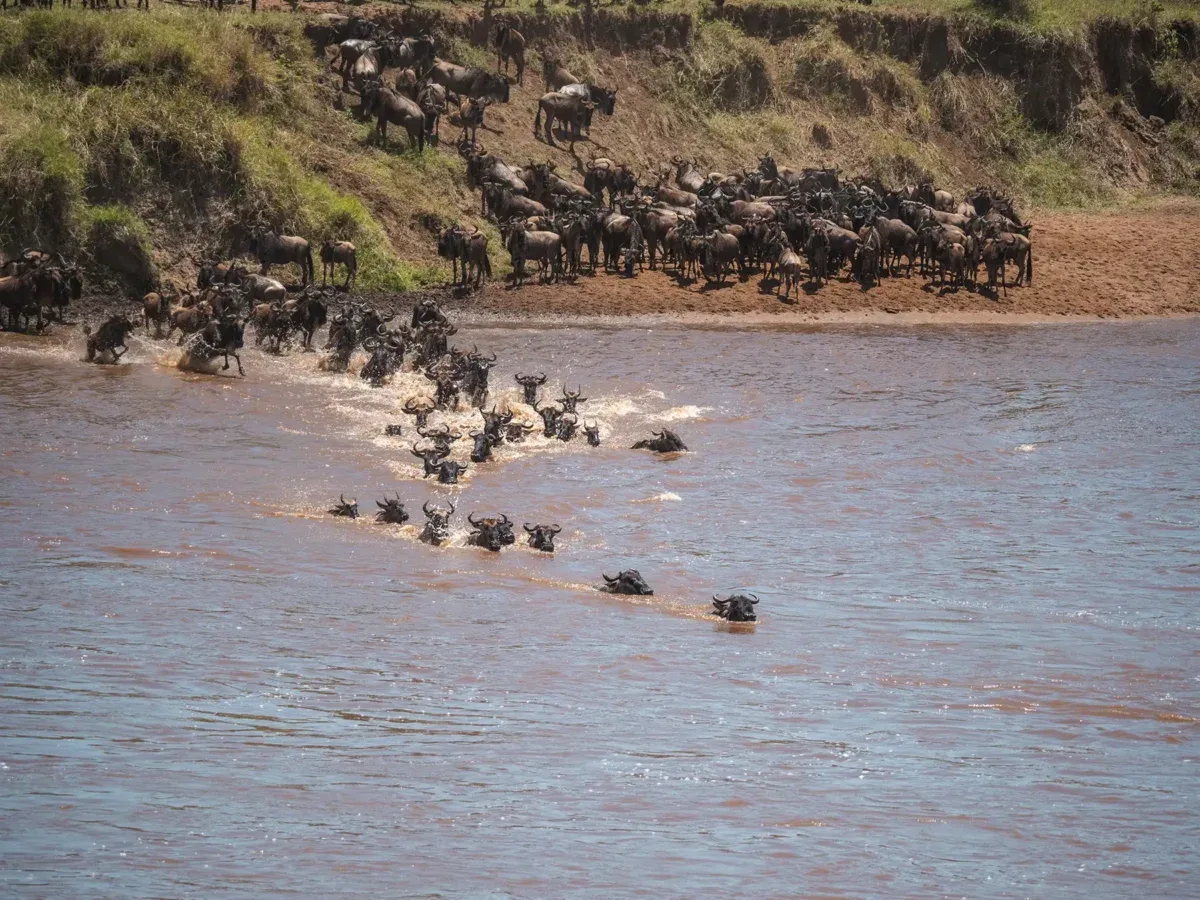
Mara River Crossing (Jul-Oct) in the northern Serengeti and Lamai Triangle.
Hot Air Balloon Safari over the plains at dawn, with a champagne bush breakfast.
Calving Season Drives (Dec-Mar) on the southern plains, watching predator-prey dynamics unfold at close range.
Walking Safari in the Grumeti Reserve private concession.
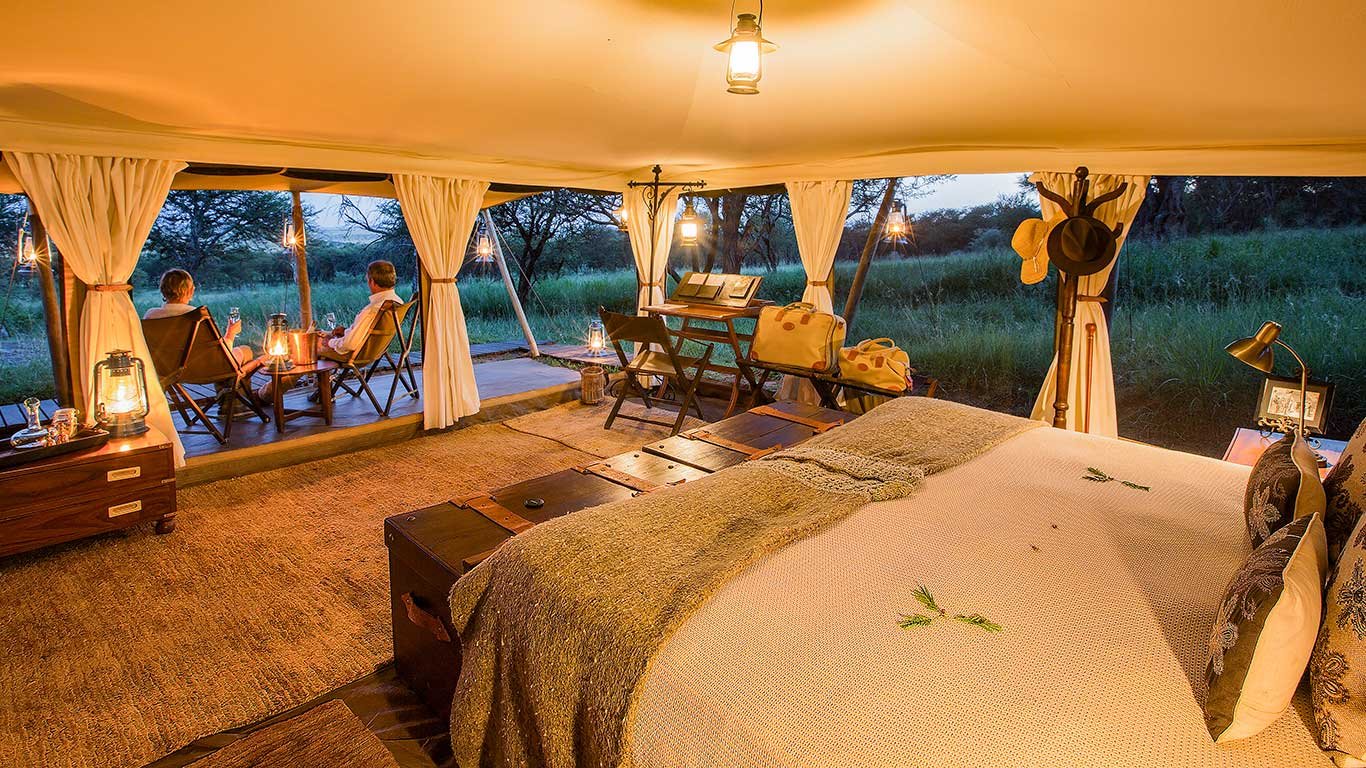
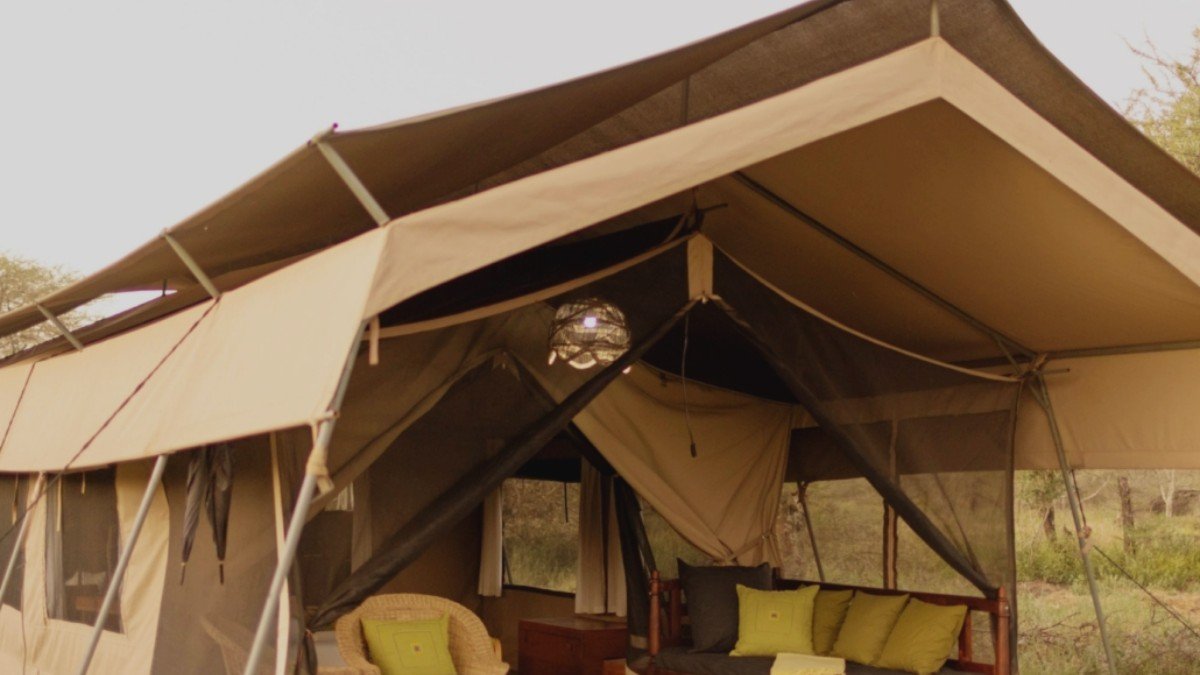
Follow the Migration with mobile camps that relocate up to five times a year to stay close to the herds.
Night Drive, available only in private concessions such as Grumeti.
Sundowner & Bush Dinner on a ridge overlooking the plains.
Maasai Village Visit near the park boundary, arranged through community relationships.
Best time to visit: December-March (calving season on the southern plains, peak predator activity); April-May (long rains, green season, lower rates, some roads inaccessible); June-October (Migration season; herds move north through the Western Corridor in June and reach the north by July; crossings run through October); November (shoulder season, short rains pass quickly, herds begin their return south).
1 photo
 1 photo
 1 photo
 1 photo
 1 photo
 1 photo
 1 photo
 1 photo
Ready to experience Serengeti?
Begin Your Journey