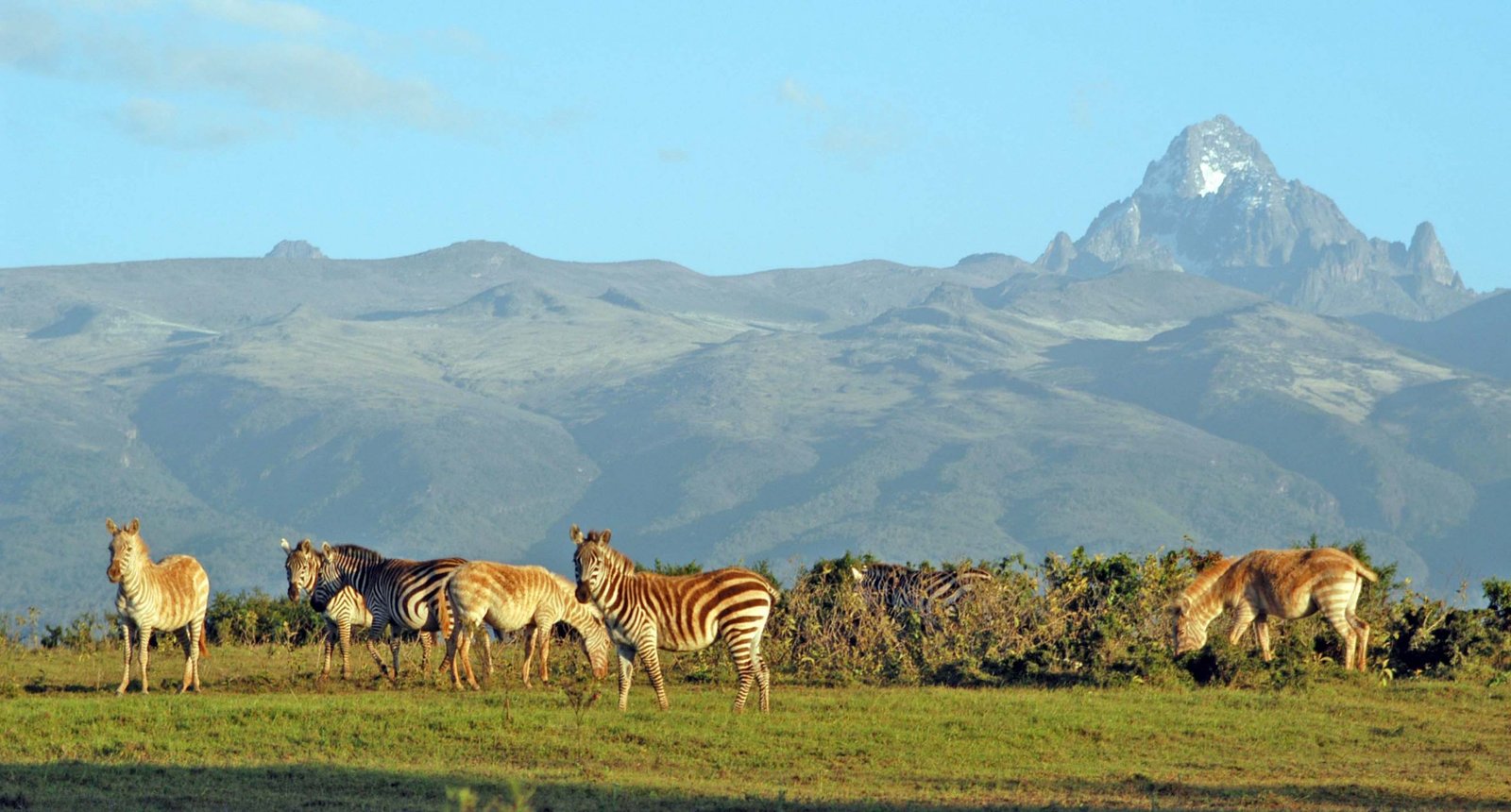
Mount Kenya National Park
Central Kenya, about 175 km northeast of Nairobi.
Overview
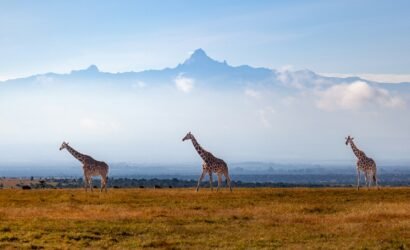
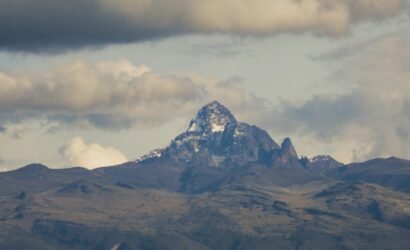
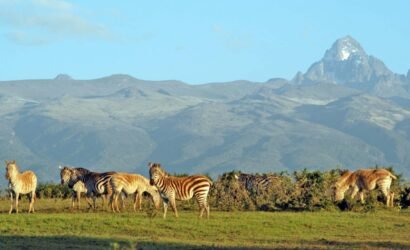
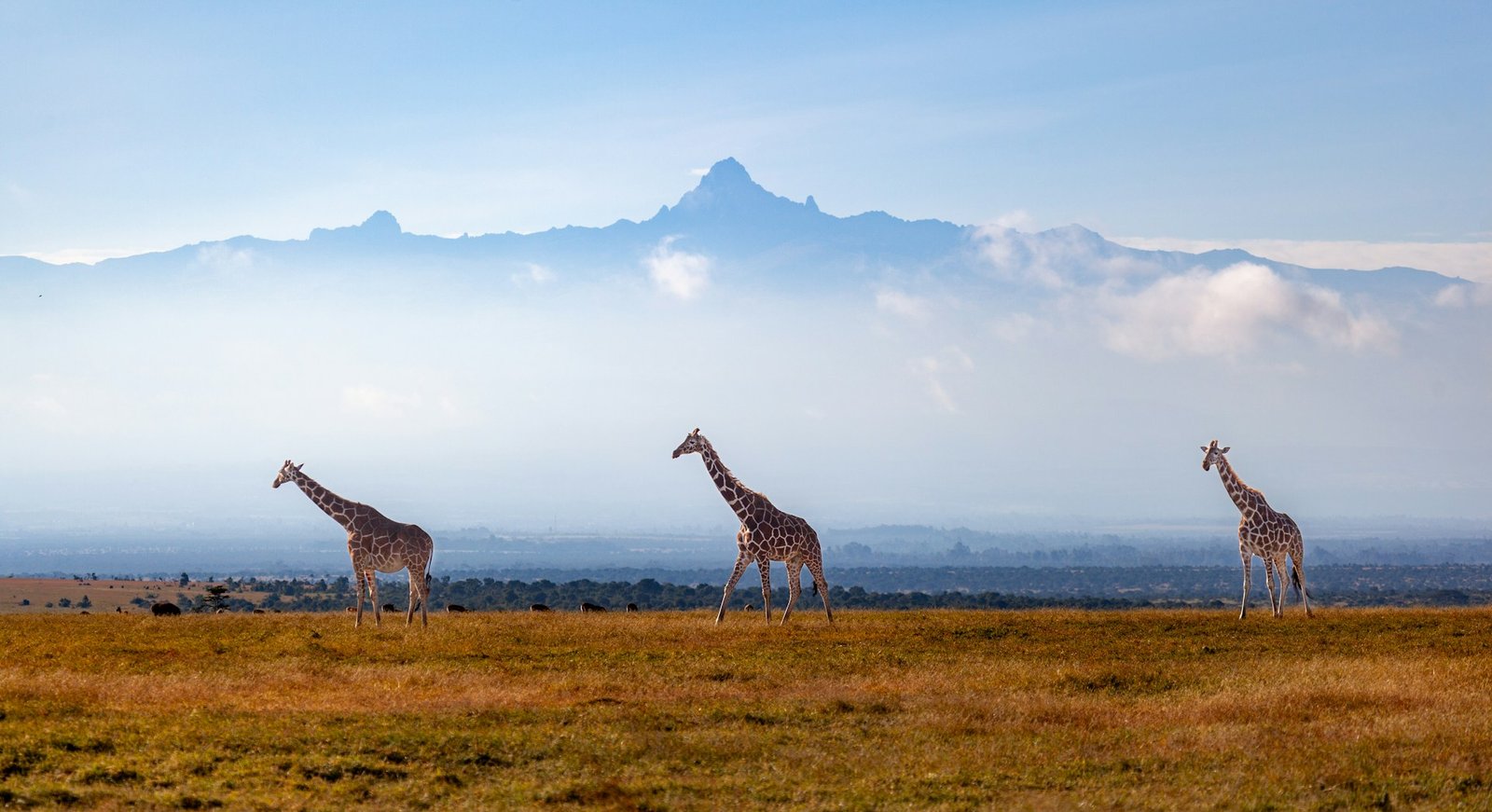
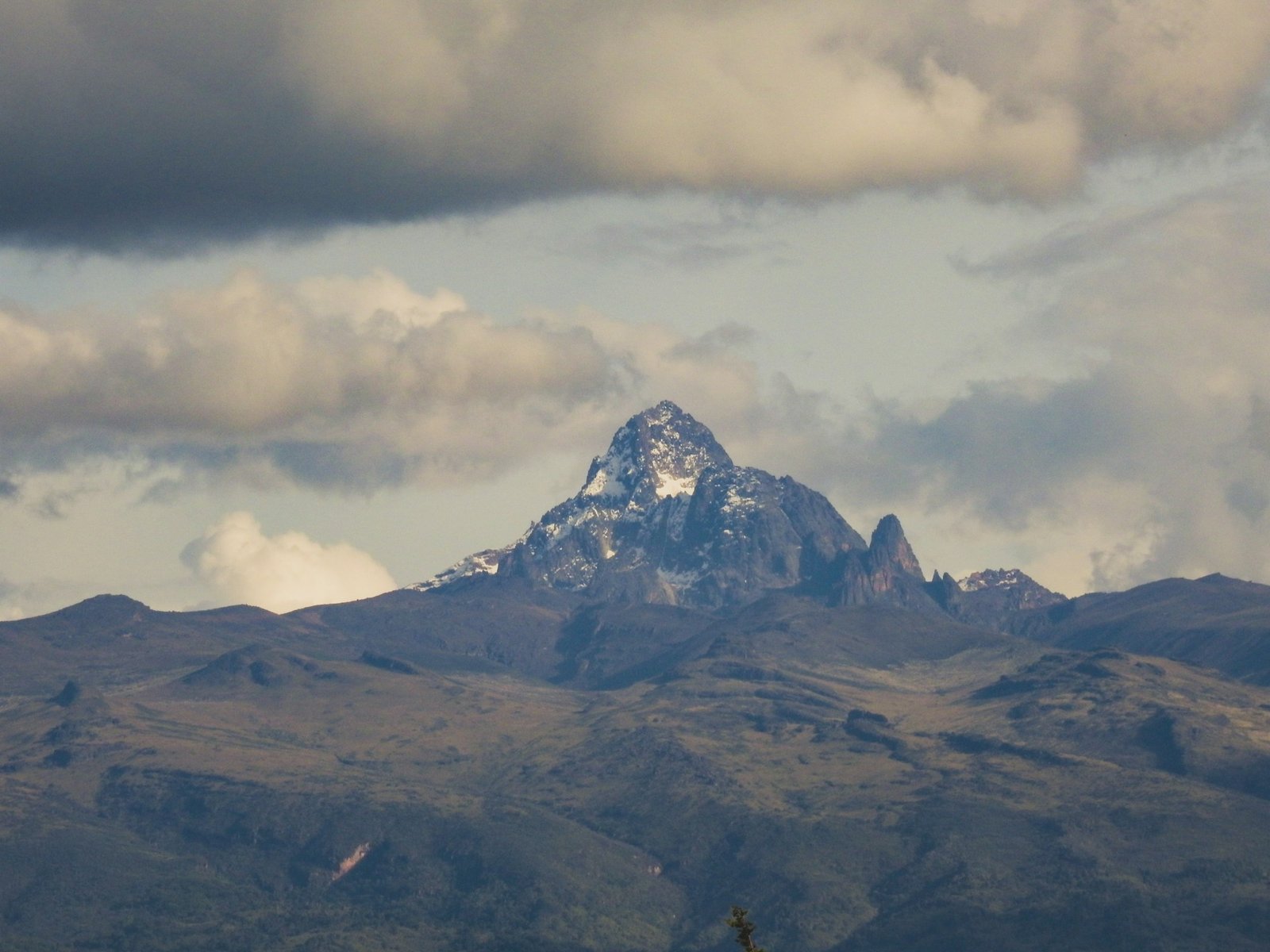
Mount Kenya National Park is a spectacular high-altitude wilderness built around one of East Africa’s most impressive landmarks: the extinct volcano of Mount Kenya, soaring to 5,199 meters at its highest peak (Batian).
The park spans montane forests, bamboo zones, alpine meadows, glaciers, tarns, and rugged rock spires. It’s a UNESCO World Heritage Site and one of Kenya’s most unique landscapes.
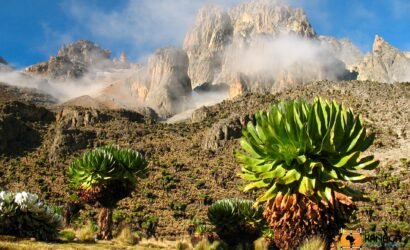
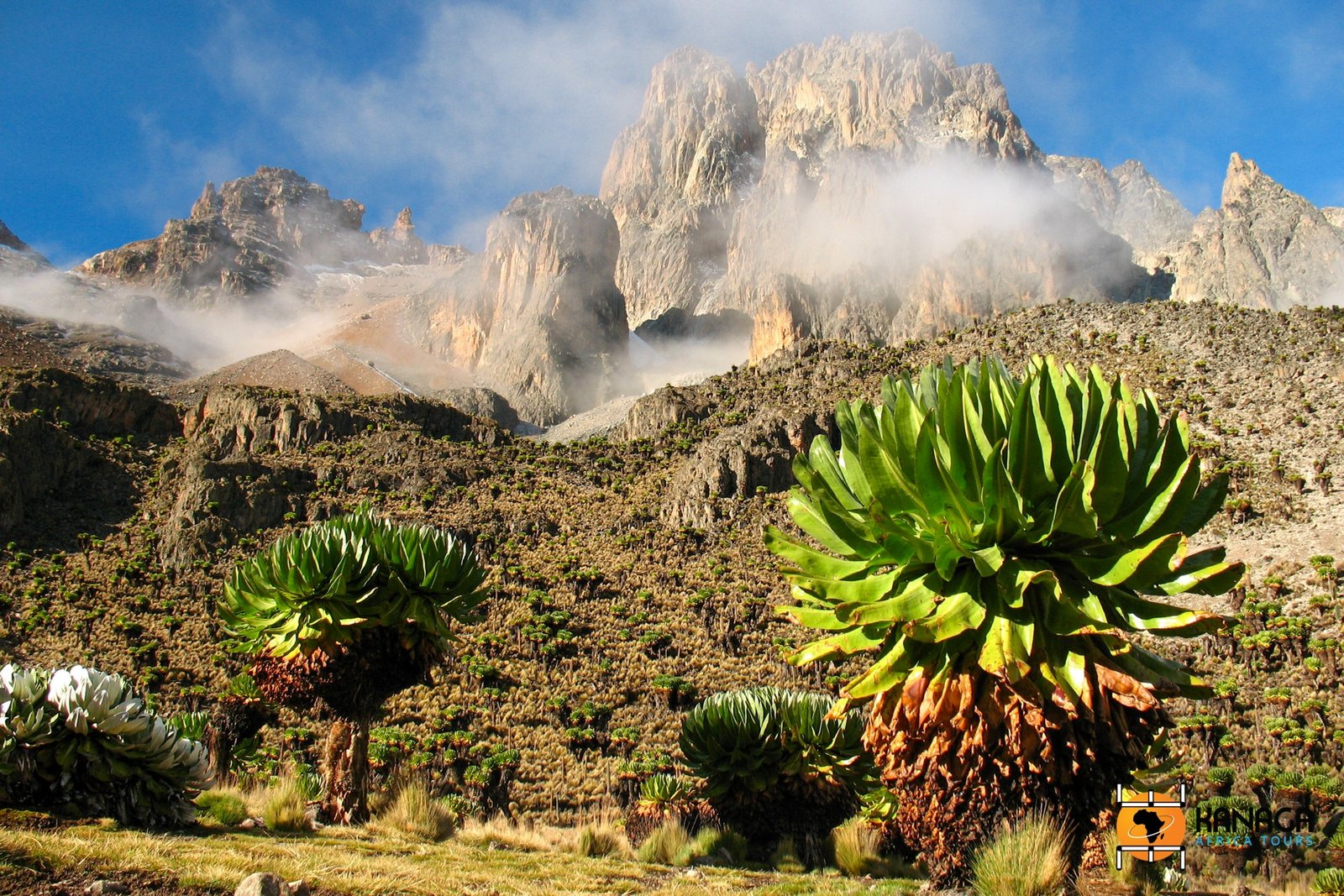
Unlike typical savannah parks, Mount Kenya feels like stepping into a living botanical gallery; giant lobelias, towering senecios, deep valleys, and dramatic peaks. The mountain also holds deep cultural significance, long considered sacred by the Kikuyu people.
Whether you’re climbing to Point Lenana, trekking scenic forest trails, or simply enjoying the mountain lodges, the park offers both adventure and tranquility.
Why Visit Mount Kenya National Park
Trek to Point Lenana (4,985 m): The most accessible of the three main peaks and one of Africa’s best multi-day hikes.
Unforgettable Scenery: Misty forests, alpine lakes, glaciers, volcanic ridges, and sweeping valleys.
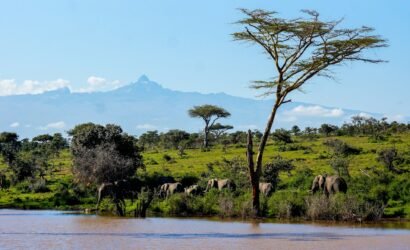
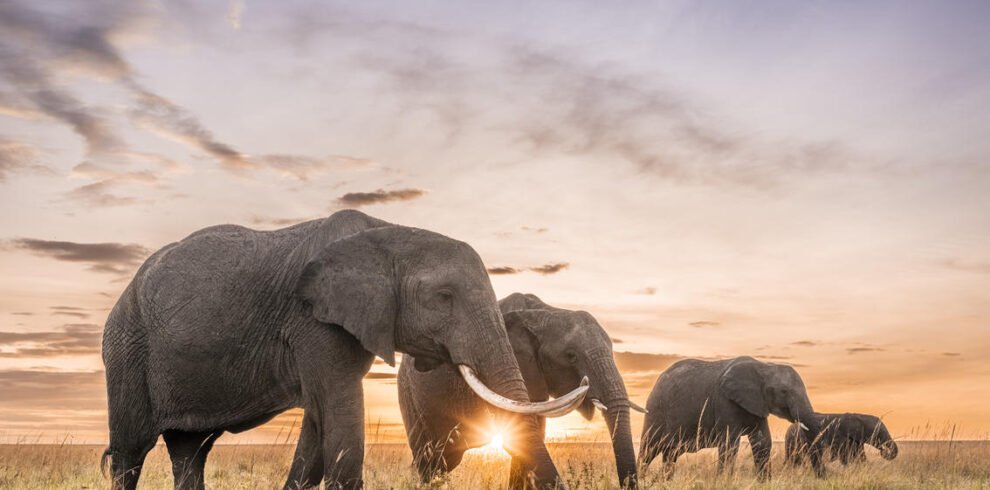
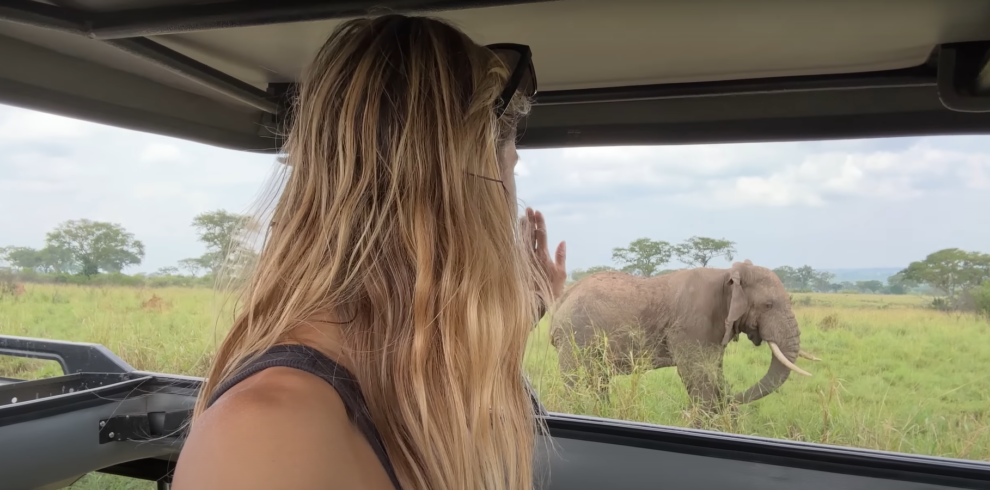
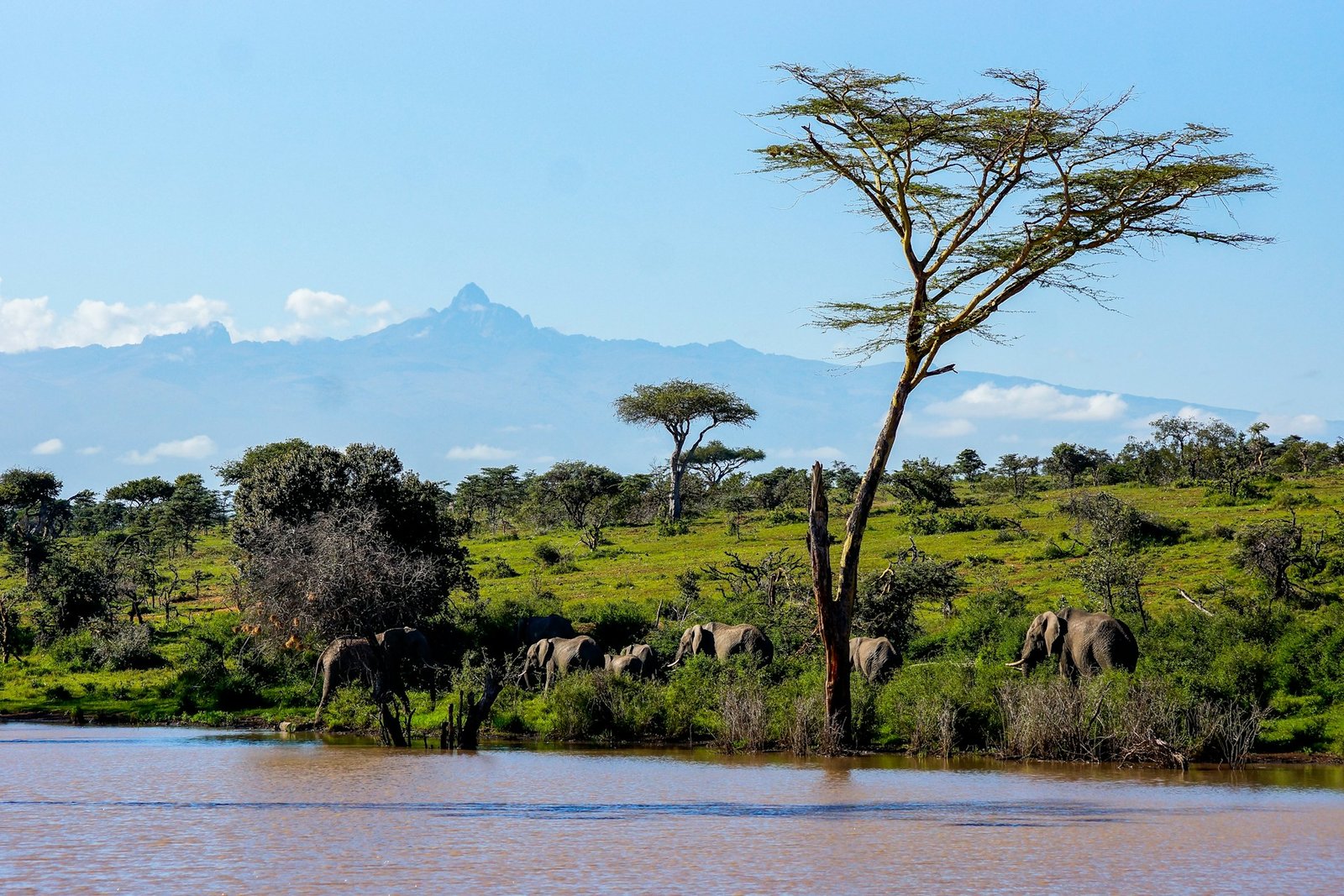
Wildlife in the Foothills: Elephants, buffaloes, bushbucks, colobus monkeys, hyenas, and over 160 bird species.
Cultural Significance: Learn about the spiritual importance of the mountain to local communities.
Less Crowded than Kilimanjaro: A quieter, more intimate climbing experience.
Variety of Climbing Routes: Naro Moru, Sirimon, and Chogoria each offer unique landscapes and difficulty levels.
Best Time to Visit
The best windows for trekking and climbing are the dry seasons:
January to March
June to October
During these months, trails are clearer, weather is more predictable, and views are at their best.
The rainy seasons (April–May and November) make trails muddy and slippery, with cloud cover obscuring the peaks.
How to Get There
By Road: The park has several entry points accessible from Nairobi via Nanyuki, Meru, or Embu. The drive takes about 3–4 hours.
By Air: Daily flights connect Nairobi’s Wilson Airport to Nanyuki Airstrip, which is only 30–45 minutes from the Sirimon and Naro Moru gates.
Inside the Park: 4×4 vehicles are recommended, especially on the Chogoria side.
Popular Attractions and Activities
Trekking and Climbing: Routes include Naro Moru (fastest), Sirimon (scenic), and Chogoria (most beautiful).
Point Lenana: Reaching this peak at sunrise is a bucket-list moment.
Batian and Nelion Peaks: Technical climbs for experienced mountaineers only.
Mackinder’s Valley: Known for dramatic views and giant groundsel plants.
Lake Michaelson and Lake Ellis: Alpine lakes surrounded by sheer cliffs.
Naro Moru Nature Trail: Great for day hikes without committing to a summit attempt.
Wildlife Watching: Look for buffalo, elephants, monkeys, hyraxes, and rich birdlife.
Accommodation Options
You’ll find everything from luxury mountain lodges to basic high-altitude huts:
Luxury:
Fairmont Mount Kenya Safari Club – iconic, glamorous, and set on manicured grounds.
Elewana Elsa’s Kopje (Meru side) – not inside the park but ideal for a combined safari.
Mid-Range:
Serena Mountain Lodge – lodge built around a waterhole in the forest.
Naro Moru River Lodge – popular with trekkers.
Old Moses Camp (Sirimon route, basic but comfortable).
Climbing Huts (basic):
Old Moses Hut
Shipton’s Hut
Mackinder’s Camp
Austrian Hut
These are functional shelters used by trekkers on multi-day climbs.
Travel Tips
Prepare for altitude: Even Point Lenana requires proper acclimatization.
Hire a guide: Mandatory for most routes and essential for safety.
Layer your clothing: Days can be warm, but nights drop below freezing.
Photographers: Early mornings offer the clearest views of the peaks.
Waterproof Gear: Weather changes quickly e.g. rain can appear without warning.
Book accommodation early: Especially during high season and for summit huts.