Marsabit National Park
Northern Kenya
Rising like a green island out of the vast arid lands of northern Kenya, Marsabit National Park is one of the country’s most underrated treasures. Known for its mist-shrouded forests, crater lakes, and ancient volcanic landscapes, Marsabit offers a unique mix of solitude, adventure, and untouched natural beauty. It’s a place where desert meets forest — and where time seems to stand still.
Overview
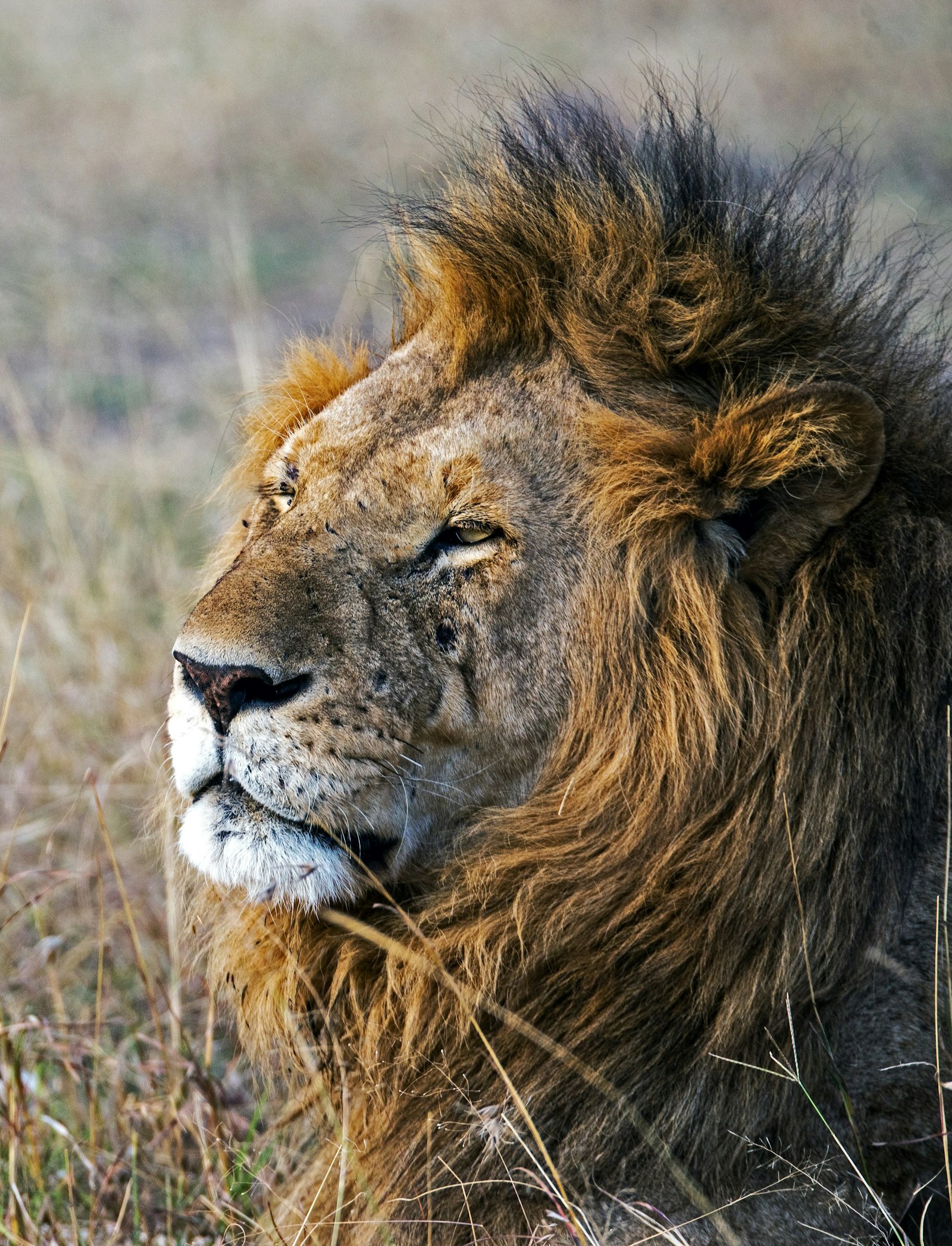
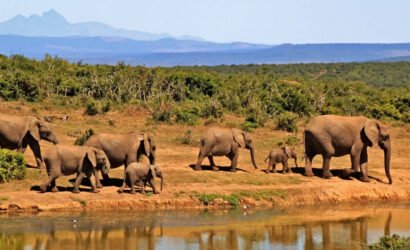
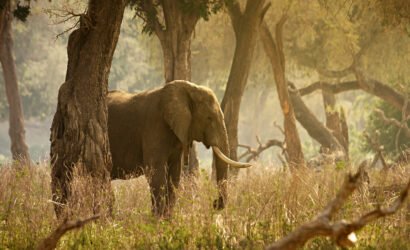
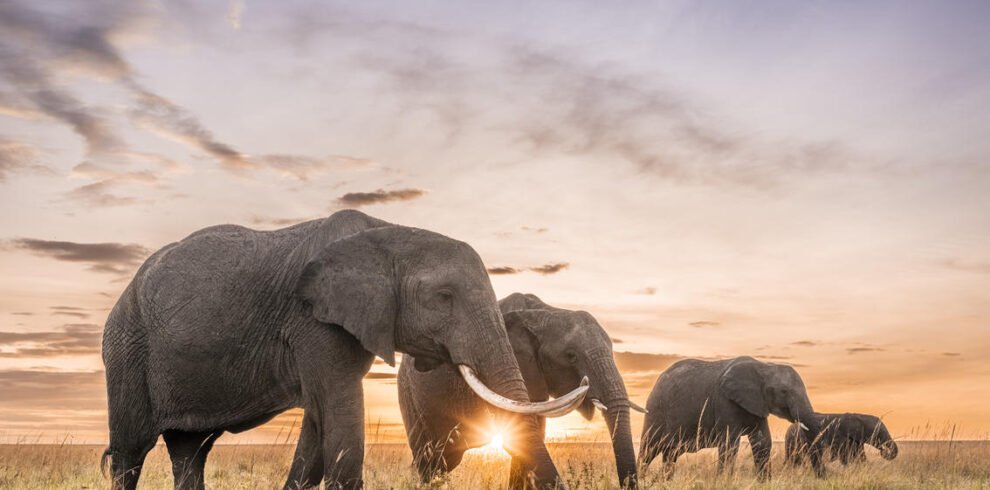
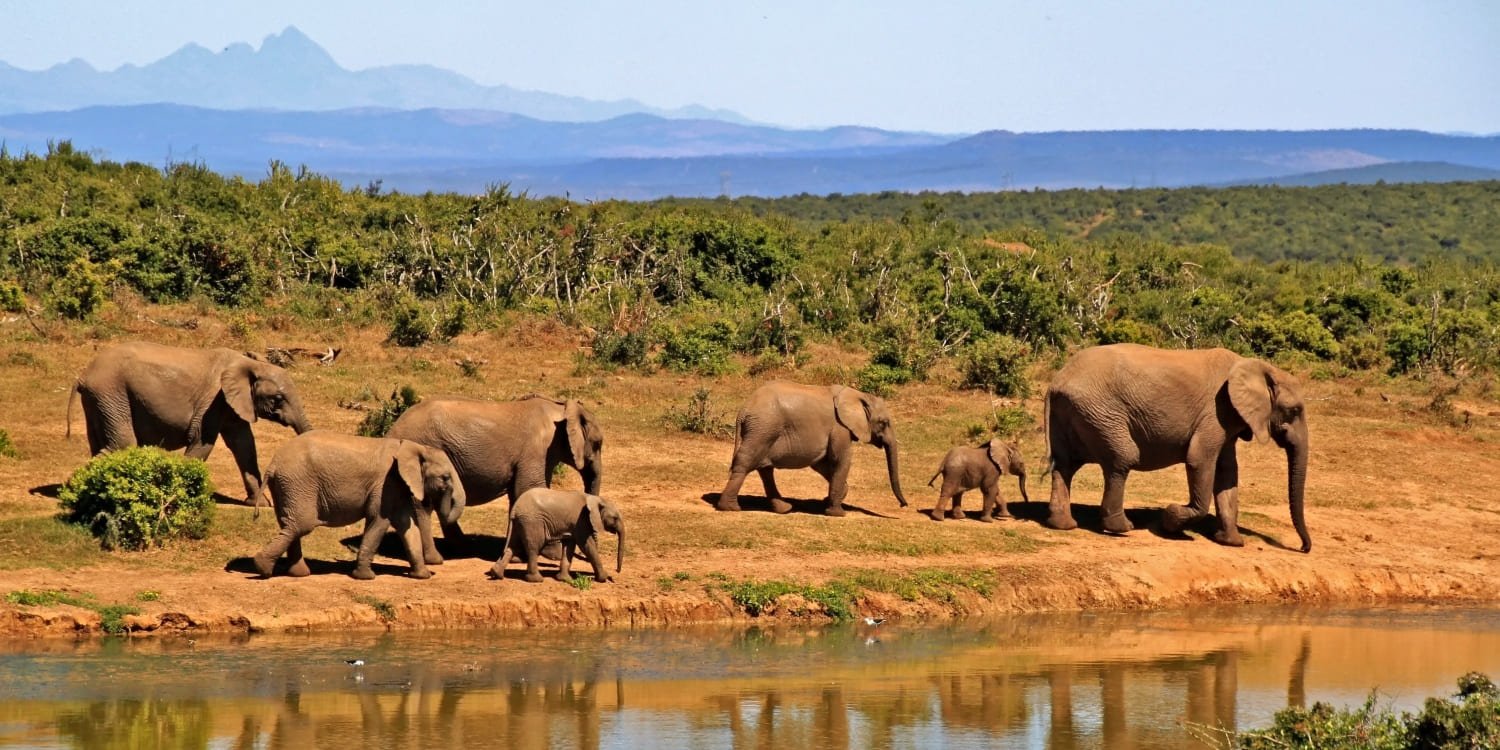
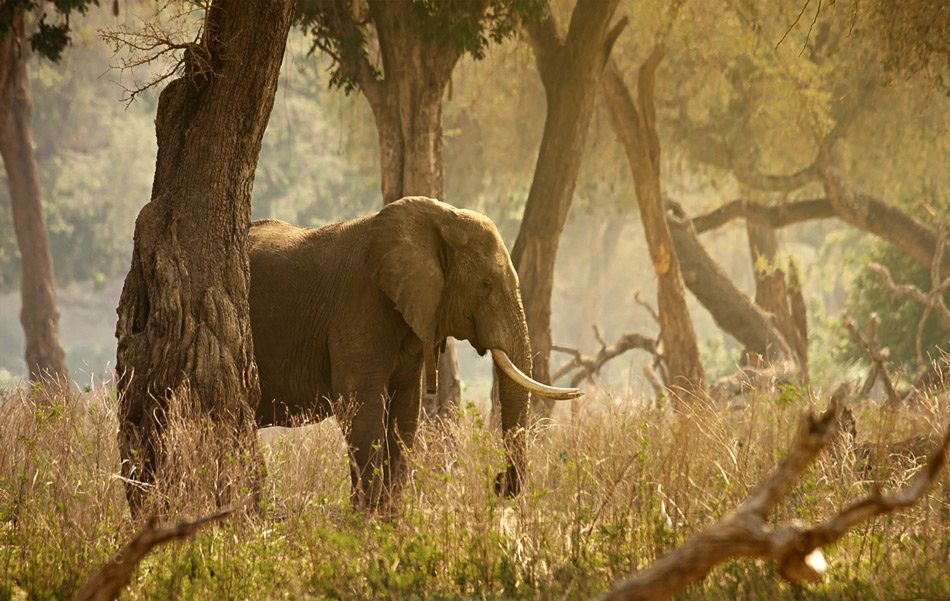
Marsabit National Park lies in the northern region of Kenya, near the town of Marsabit, roughly halfway between Isiolo and Moyale. The park is a lush, forested mountain surrounded by endless semi-desert — a true ecological marvel. Its thick cloud forest shelters rare wildlife, including elephants with long tusks (famously known as the “Great Tuskers”), leopards, and an array of bird species.
Because of its remote location, Marsabit remains quiet and unspoiled — perfect for travellers seeking an off-the-beaten-path safari experience.
Wildlife and Attractions
Marsabit may not boast the sheer animal numbers of the Maasai Mara, but its diversity and atmosphere are unmatched.
Key wildlife highlights include:
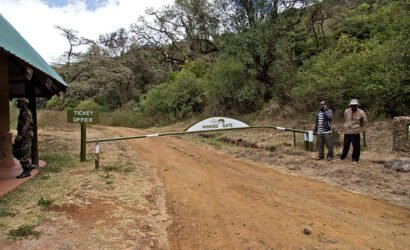
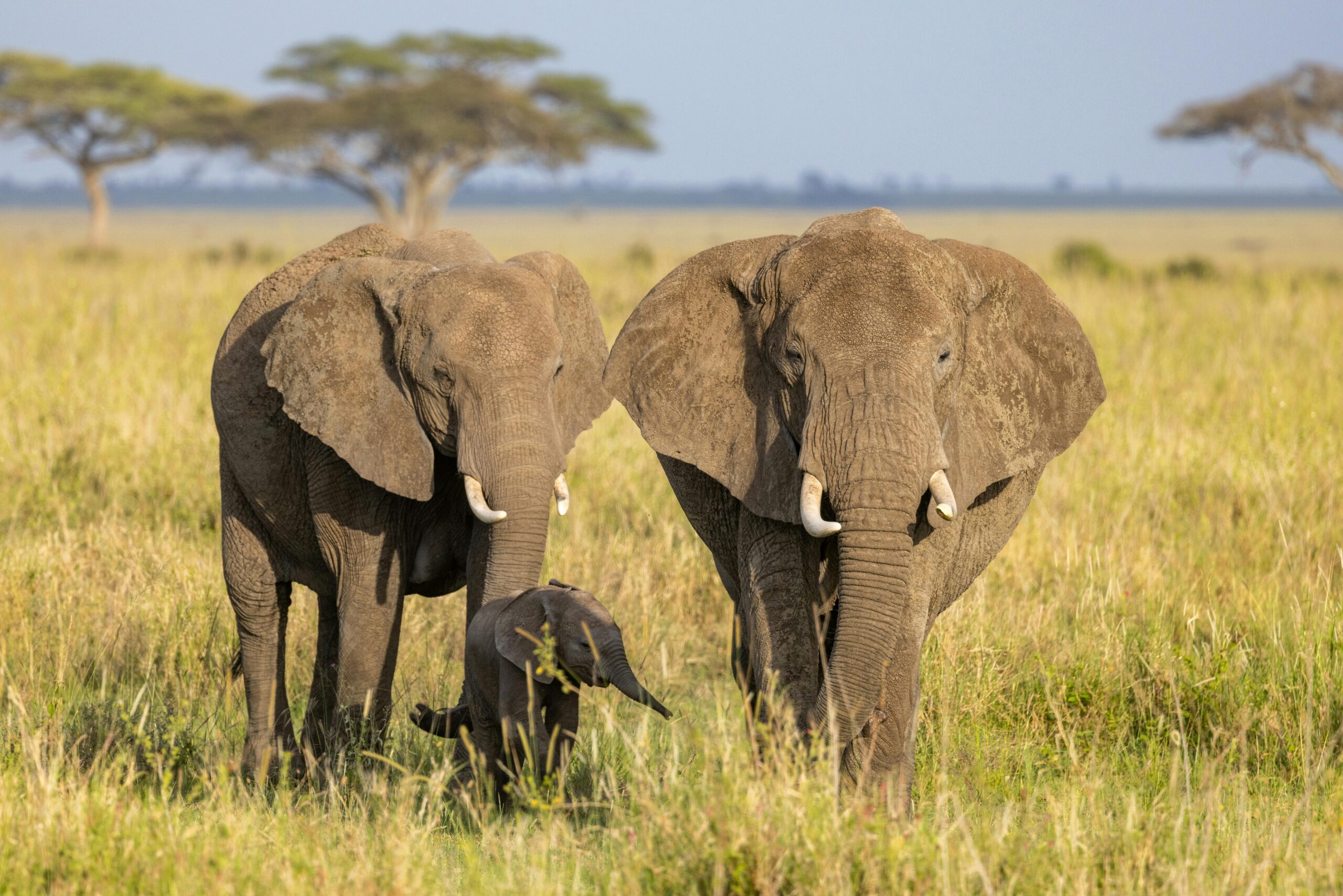
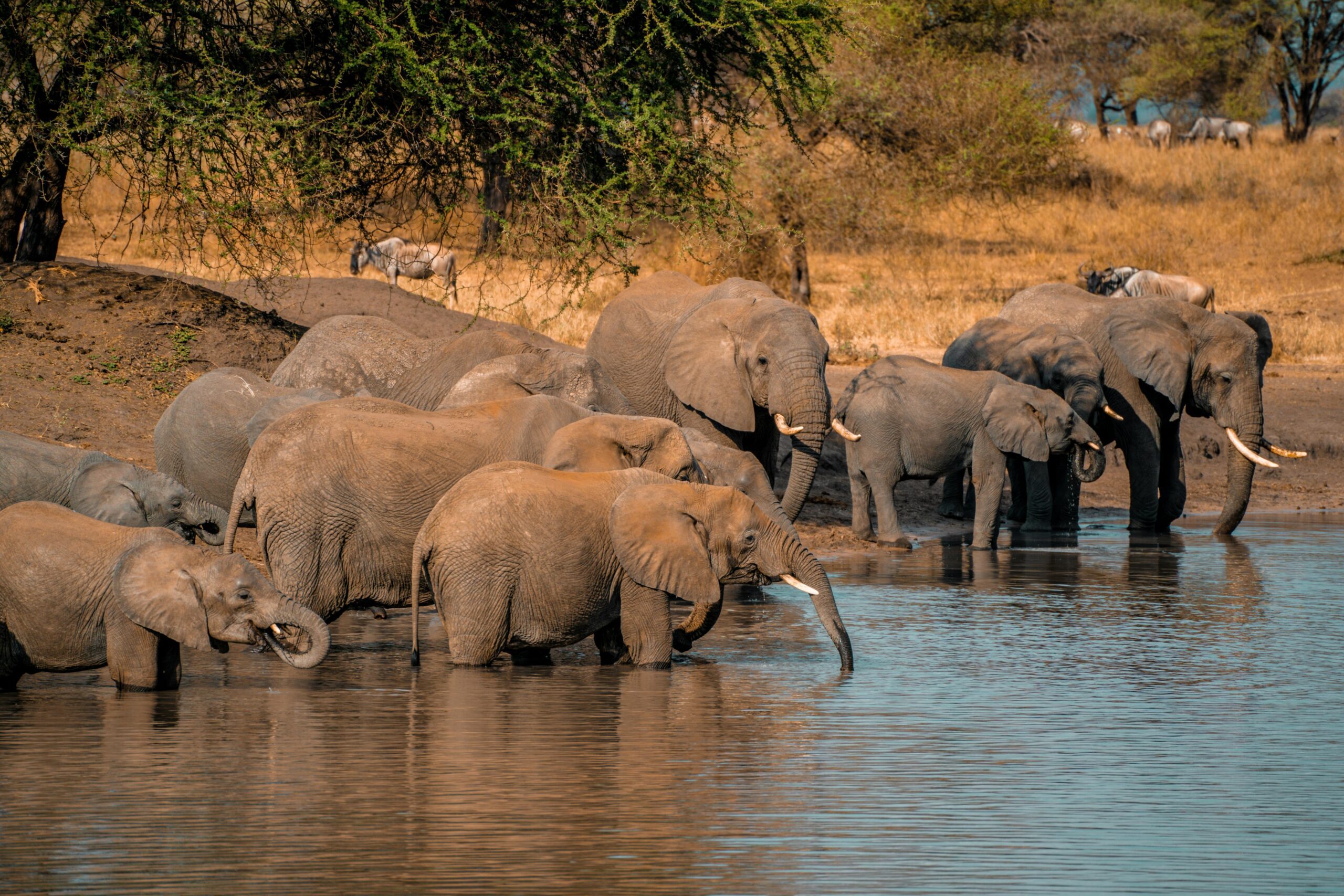
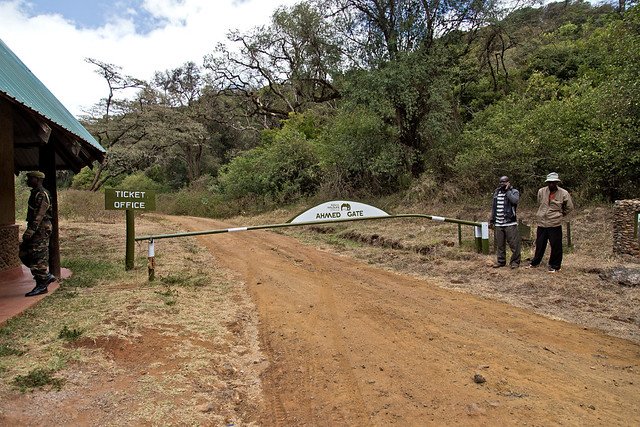
Elephants: Home to the descendants of Ahmed, the legendary “King of Marsabit,” who was placed under presidential protection.
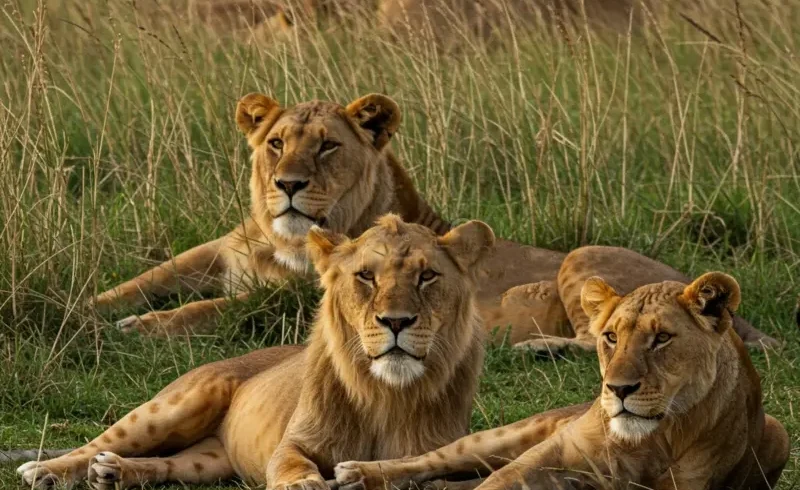
Predators: Leopards, lions, and spotted hyenas roam the park’s dense forests and open clearings.
Herbivores: Grevy’s zebras, buffalos, bushbucks, and greater kudus can be spotted grazing in the forest glades.
Birdlife: Over 250 bird species, including the masked lark (endemic to the region), Somali bee-eater, and crowned cranes.
Top attractions:
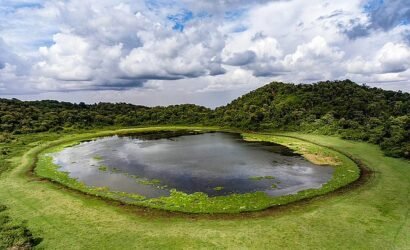
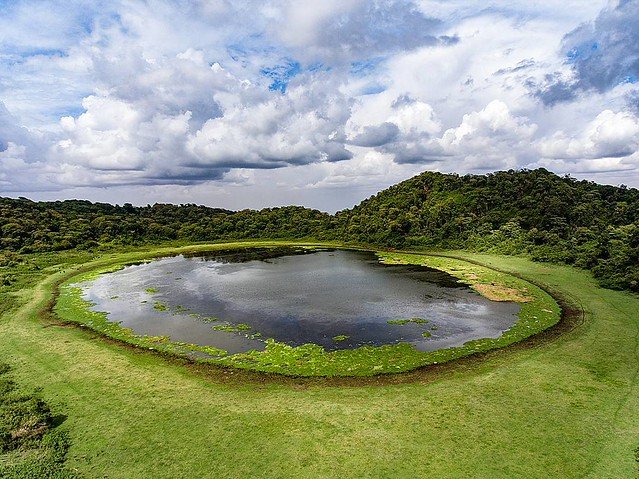
Lake Paradise: A breathtaking crater lake often shrouded in mist — once described by early explorers as the most beautiful lake in Africa.
Gof Bongole Crater: A scenic spot offering panoramic views of the surrounding landscapes.
Marsabit Forest: A mysterious cloud forest alive with birdsong, dripping moss, and a sense of ancient tranquility.
Cultural Encounters: Interact with local Rendille, Borana, and Gabbra communities — pastoralist tribes known for their colorful traditions and camel culture.
Activities
Marsabit offers a mix of nature, culture, and adventure:
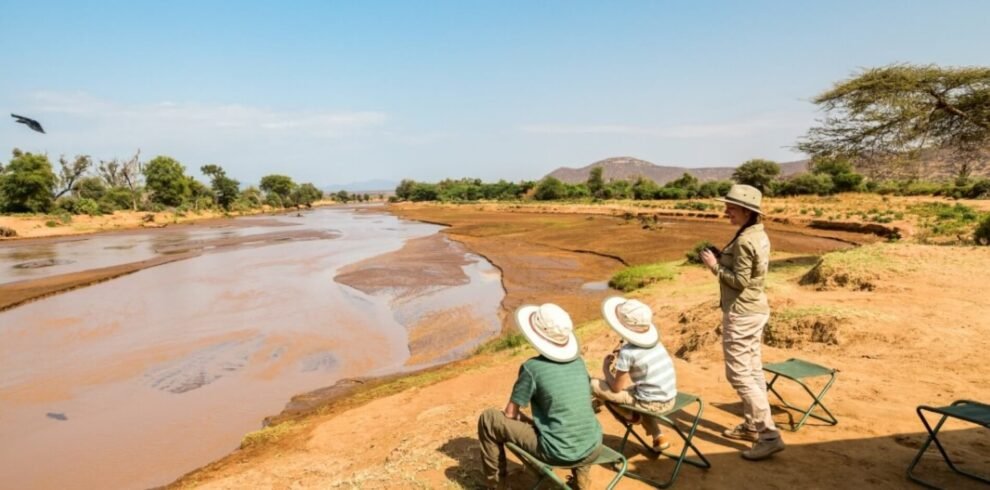
Game drives through misty forests and around the crater lakes.
Birdwatching for both forest and arid-region species.
Nature walks to explore the dense forest trails.
Scenic hikes up to viewpoints overlooking Lake Paradise.
Cultural visits to nearby communities or camel markets.
Camping and photography amid the park’s untouched wilderness.
Accommodation
While accommodation options in Marsabit are limited, visitors can choose between:
Marsabit Lodge: The only lodge inside the park, offering rustic charm and a prime view over Lake Paradise.
Campsites: Several public and special campsites are available within the park for those seeking a true wilderness experience.
Marsabit Town: Offers basic lodgings and guesthouses for travellers preferring to stay outside the park.
Best Time to Visit
Marsabit National Park can be visited year-round, though June to October (dry season) is ideal for wildlife viewing and clearer skies. During the long rains (March–May), the park is lush but roads may be challenging.
How to Get There
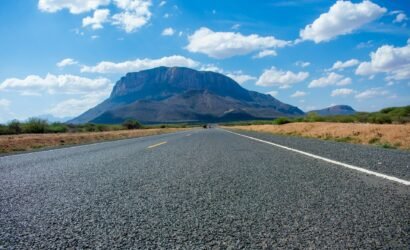
By Road: About 550 km from Nairobi via Isiolo and Archer’s Post. The route is scenic but partly rough, requiring a 4×4 vehicle.
By Air: Charter flights can land at Marsabit Airstrip, just outside the park.
Travel Tips
Carry warm clothing — the high altitude means cool mornings and evenings.
Bring sufficient supplies, as facilities are limited.
A local guide is recommended for forest drives and cultural tours.
Combine your trip with a journey north to Lake Turkana for a truly remote adventure.