Kora National Park
Eastern Kenya, southeast of Meru National Park, stretching along the northern banks of the Tana River.
Overview
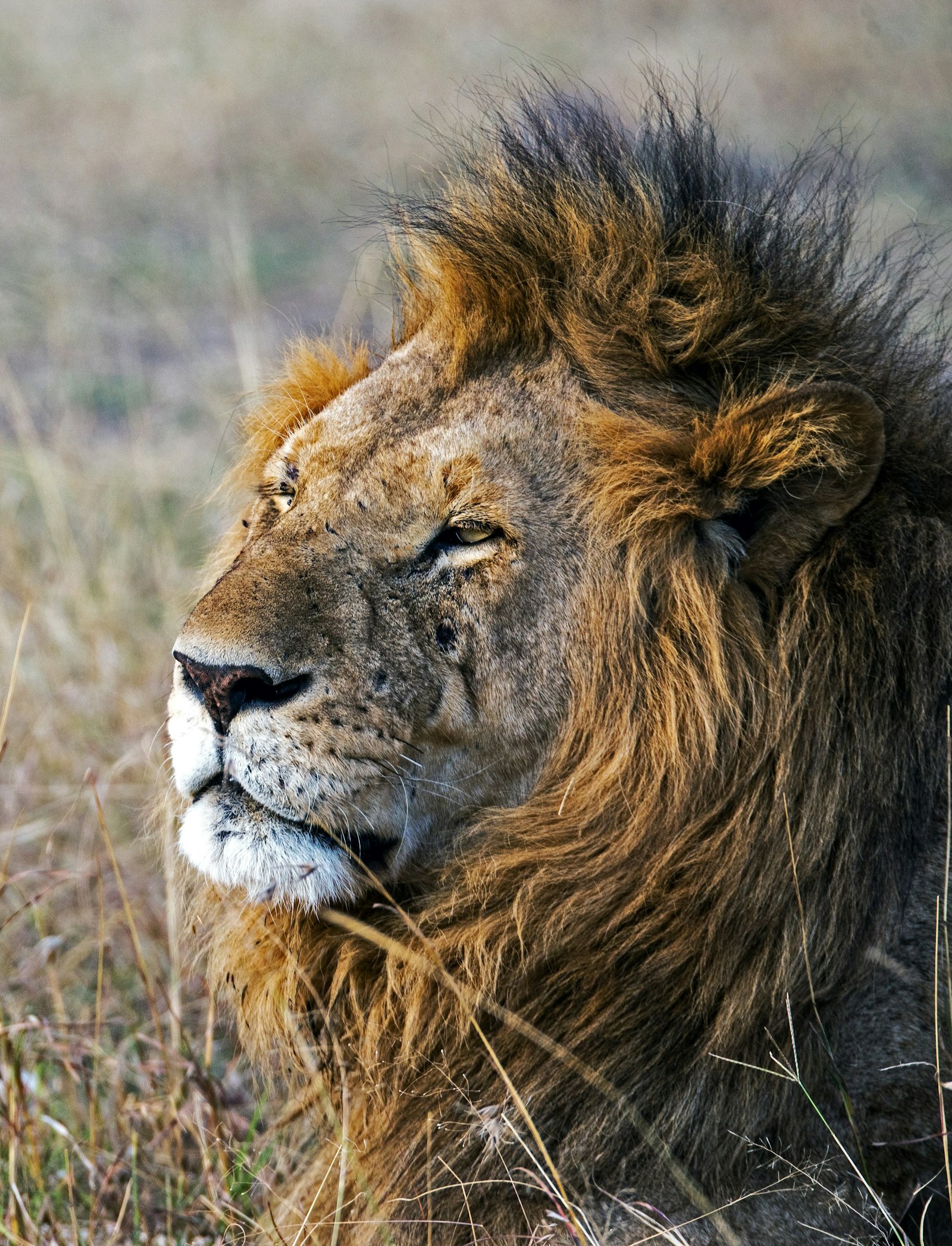
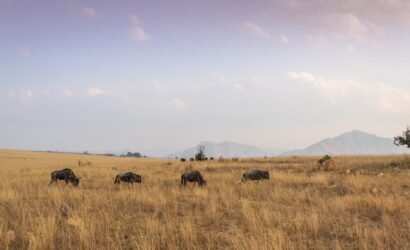
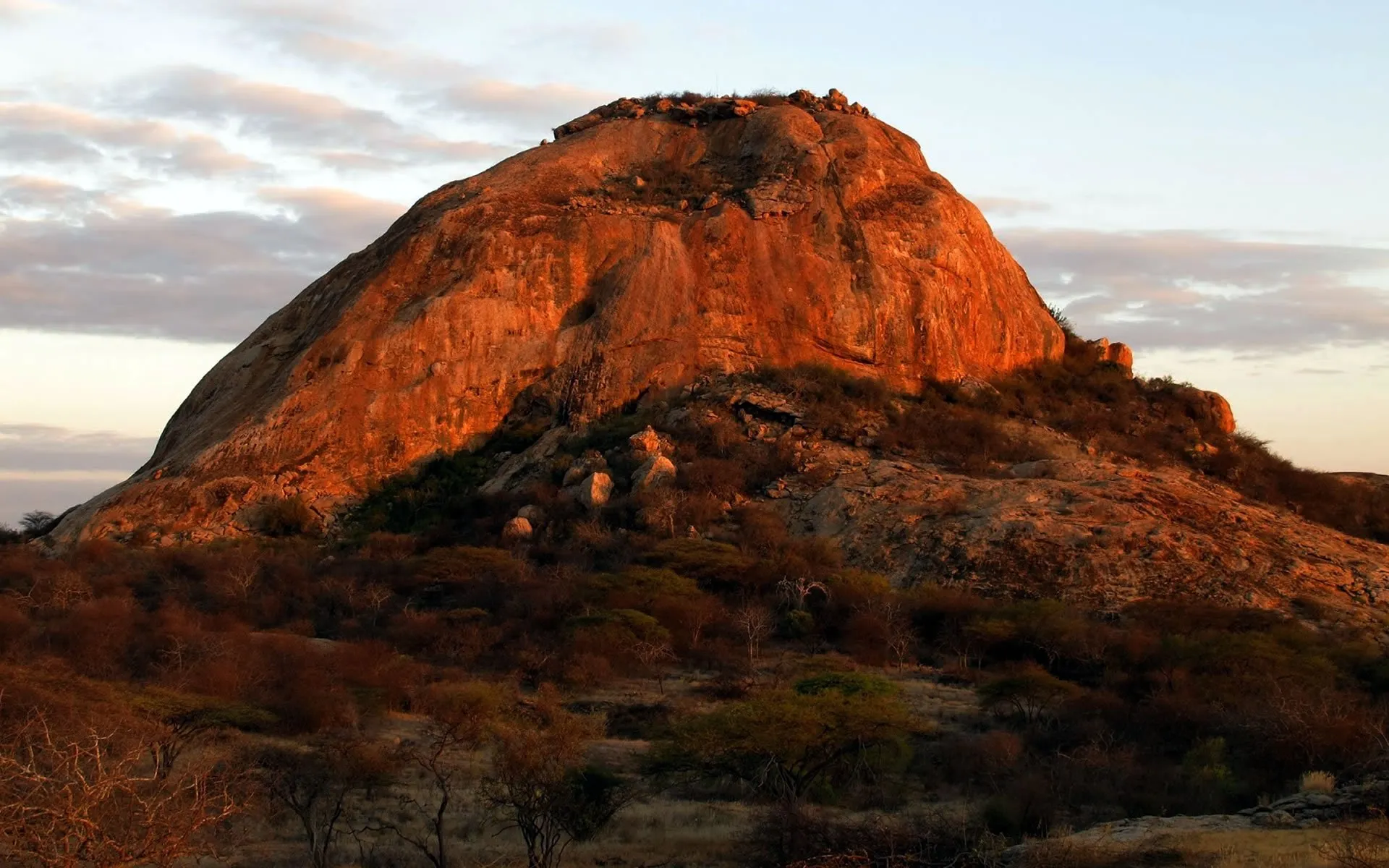
Kora National Park is wild, remote, and deeply tied to the legacy of one of Kenya’s most iconic conservationists: George Adamson, the “Lion Man,” who lived and worked here. The park spans 1,788 km² of rugged wilderness, with vast plains dotted with inselbergs, thick riverine forests, and dramatic granite outcrops rising suddenly from the earth.
With its raw, untouched feel, Kora is a place for travelers who crave true solitude. It’s not a mainstream safari park, and that’s exactly its charm. The landscapes are huge and open, the silence is thick, and the wildlife behaves like it’s in charge.
Why Visit Kora National Park
George Adamson’s Legacy: Visit the site of Adamson’s camp (Kampi ya Simba) and his final resting place.
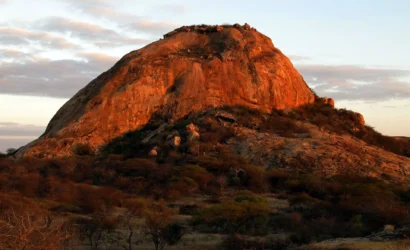
Rocky Landforms & Inselbergs: Striking rock domes like Mwanzi Rock, Kora Rock, and Kilimajero create breathtaking scenery.
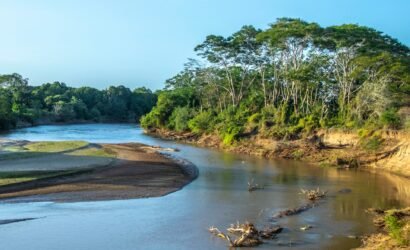
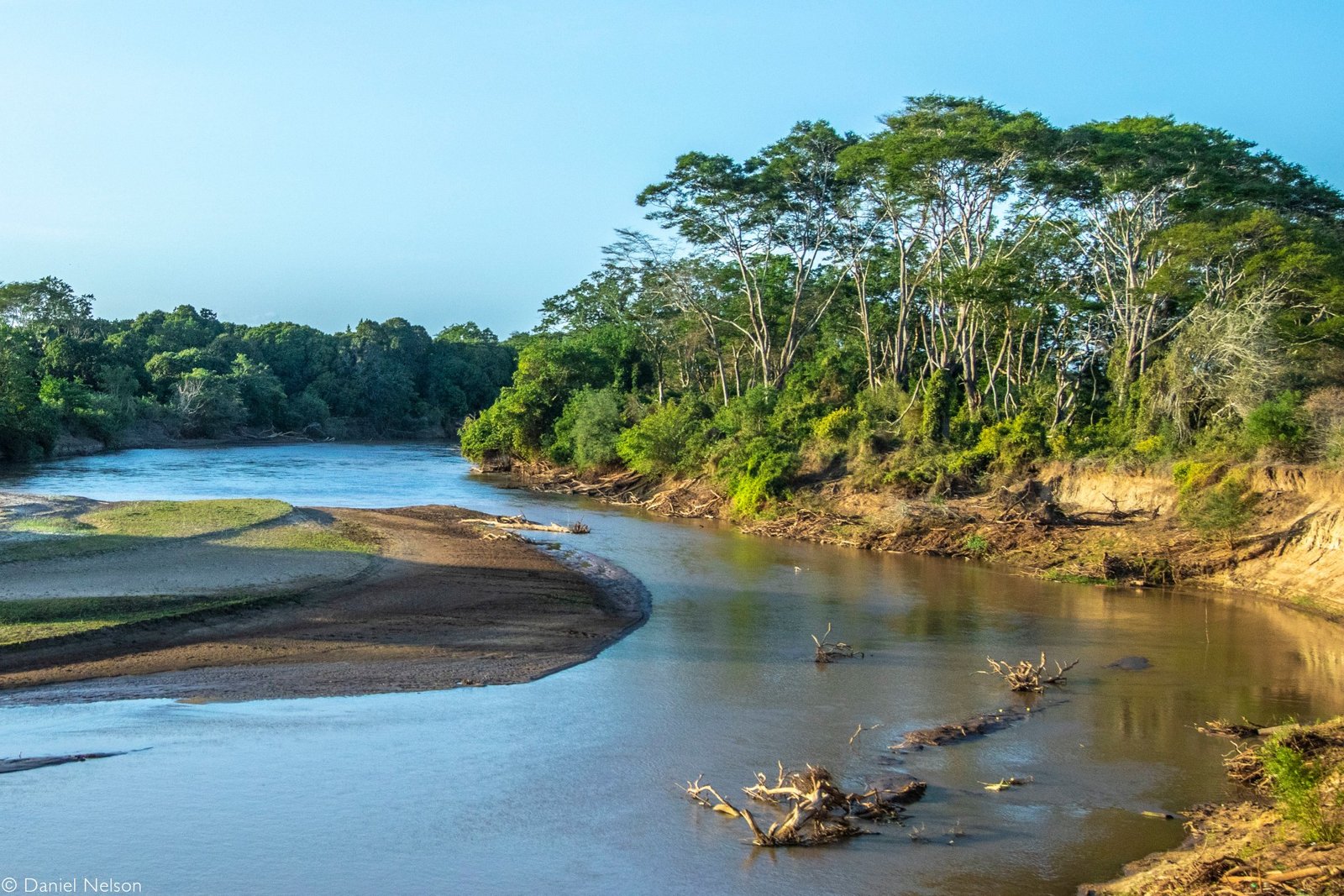
The Tana River Corridor: Hippos, crocodiles, and lush riverine vegetation bring life to the otherwise arid plains.
Low Tourist Numbers: If you want a park entirely to yourself, Kora delivers.
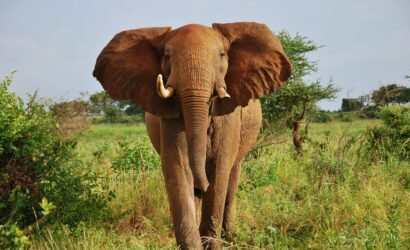
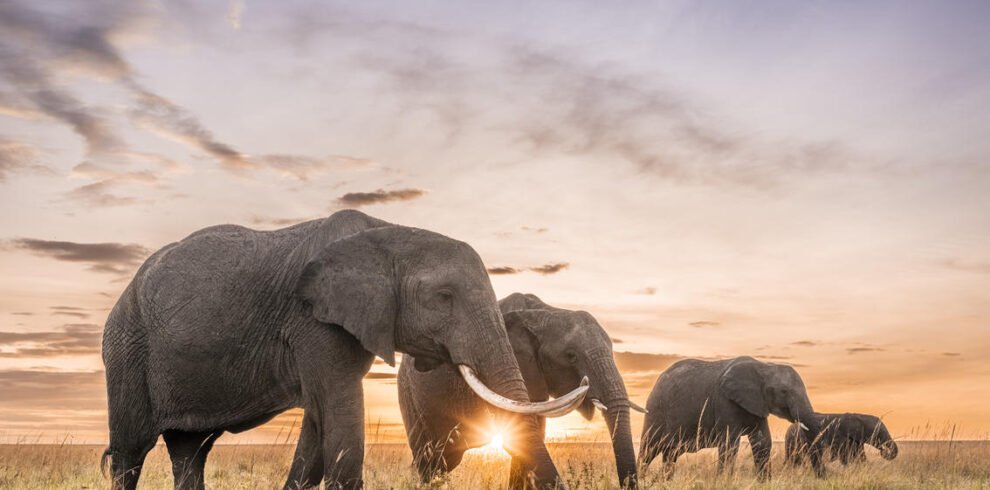
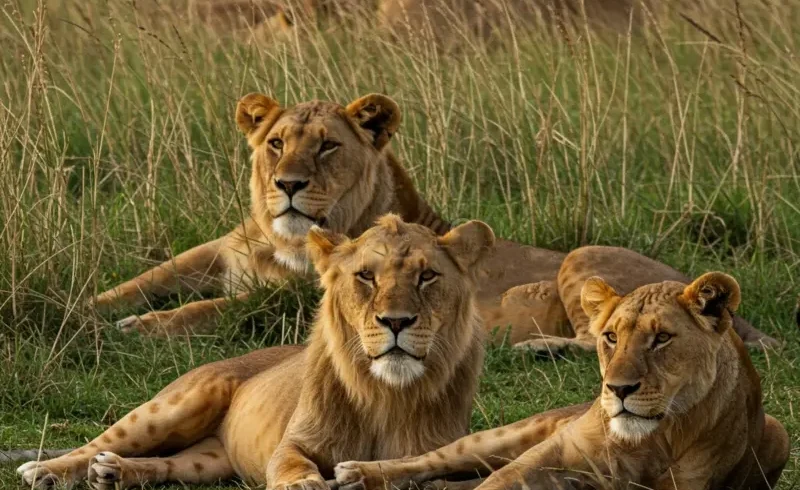
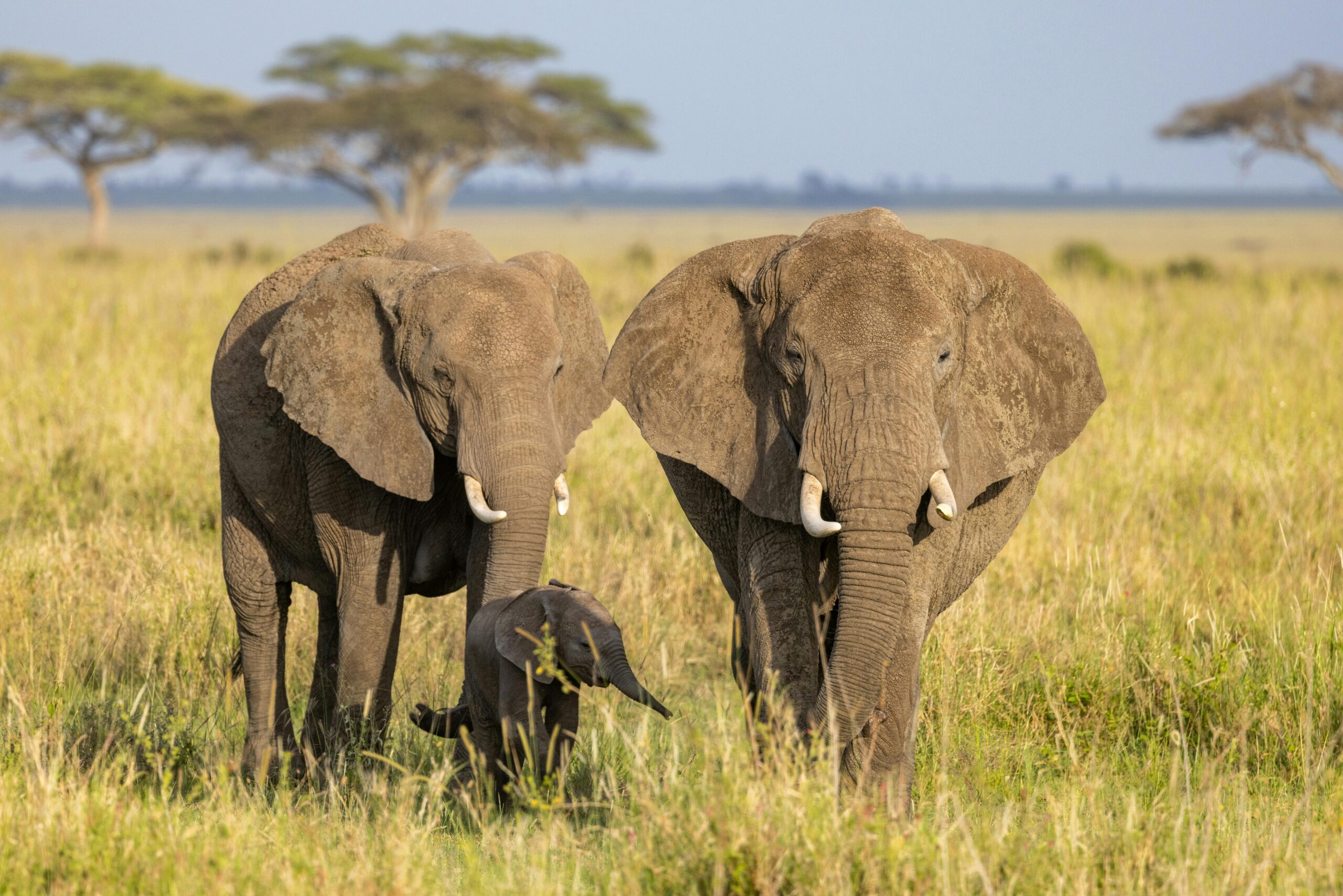
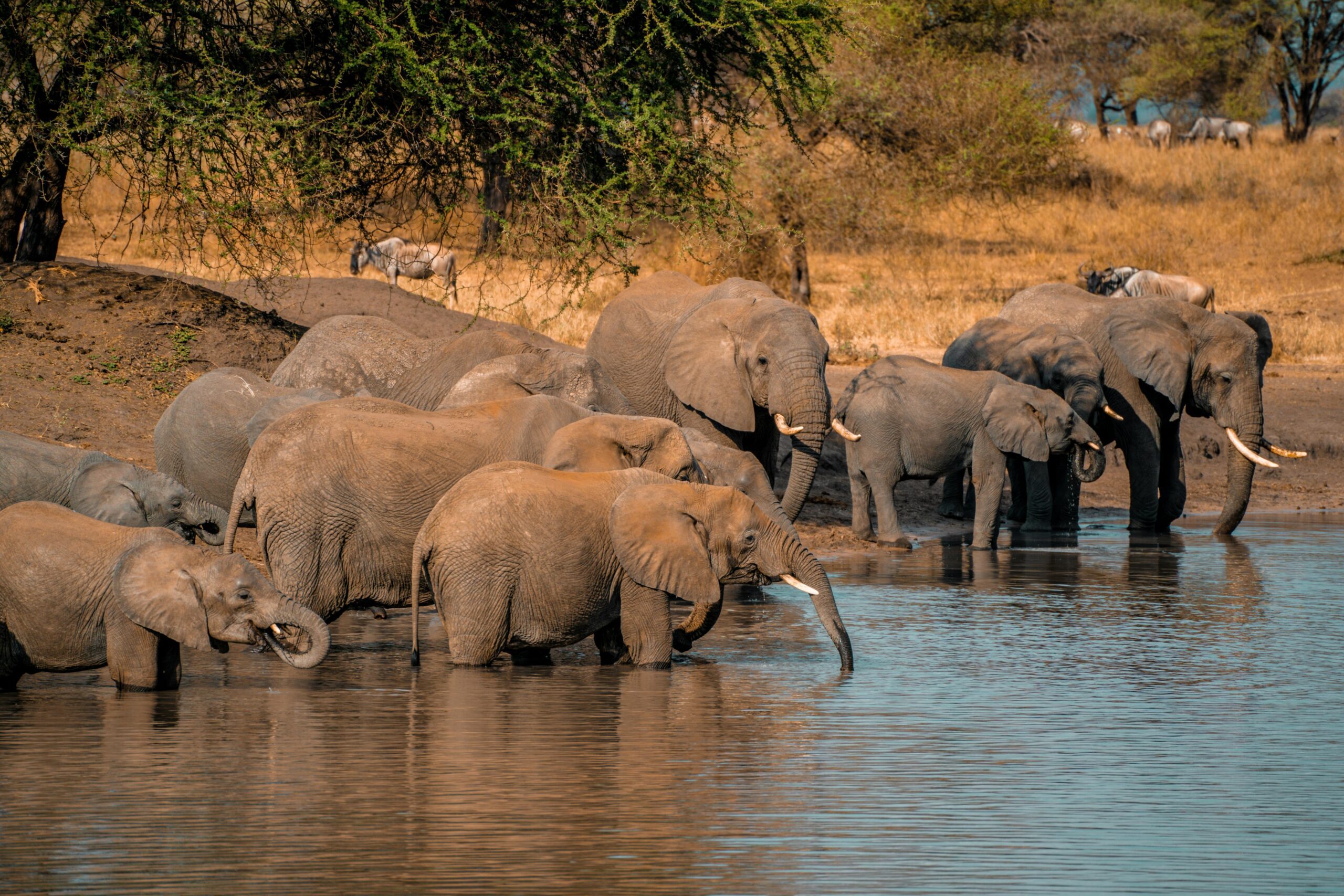
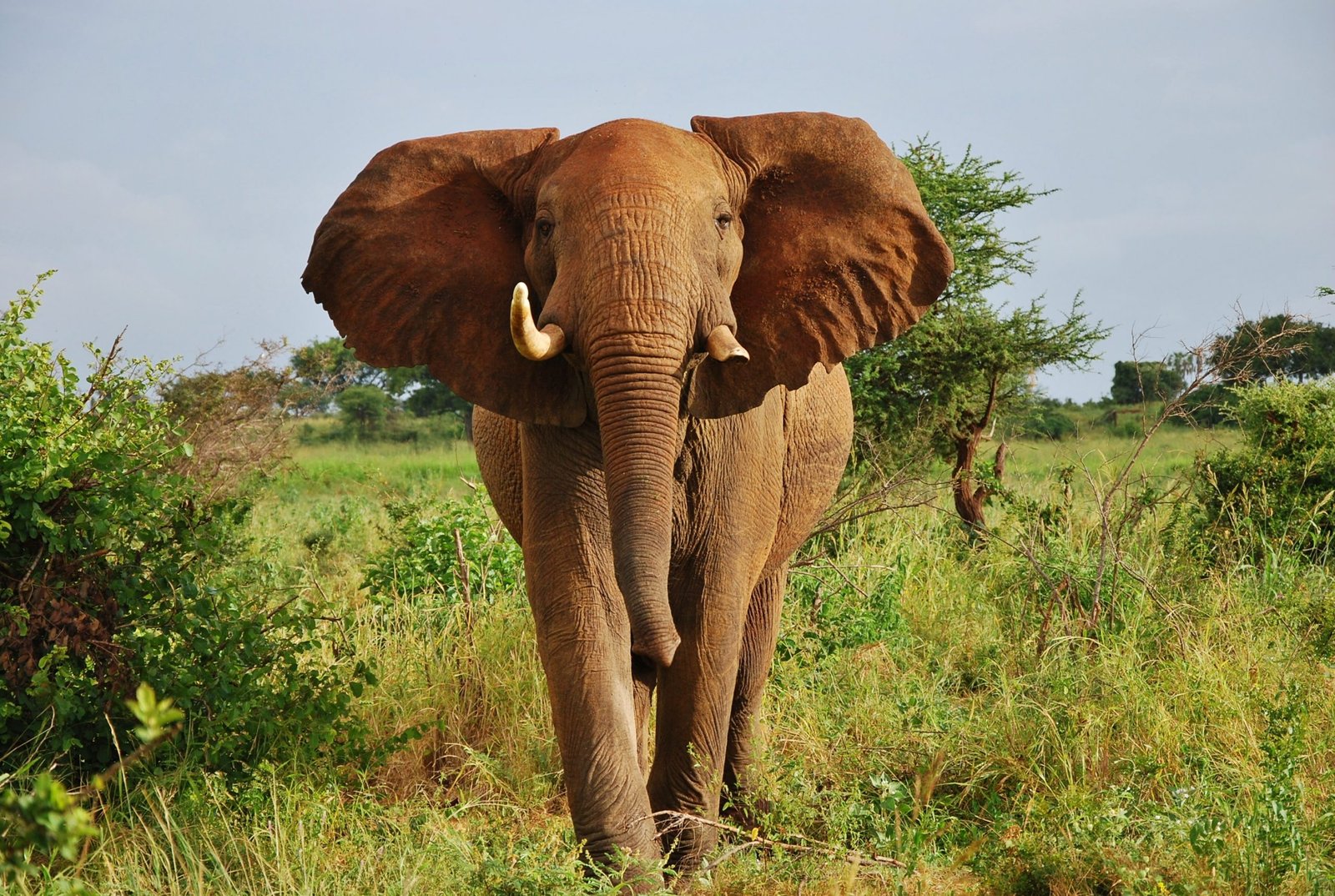
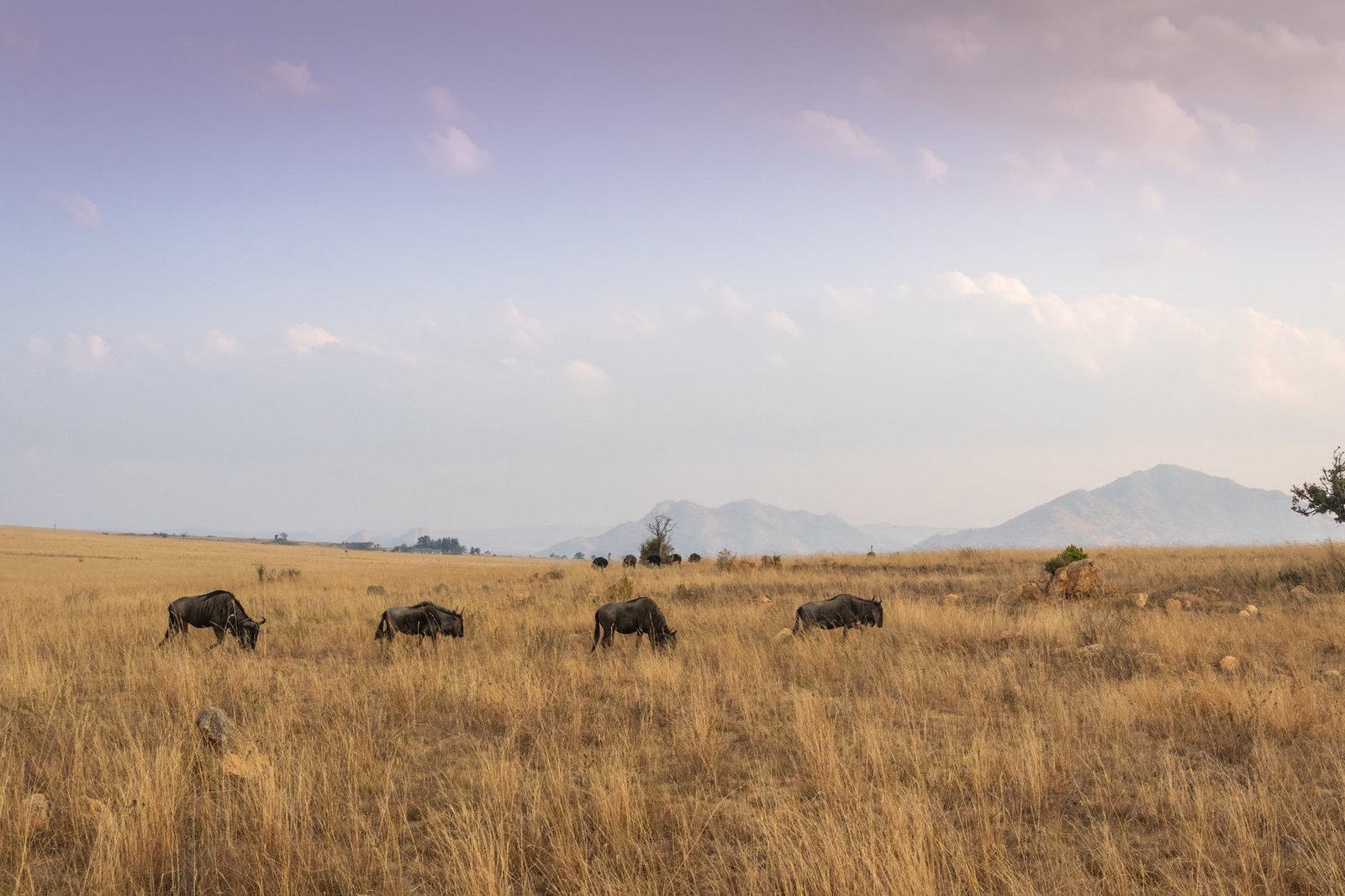
Rare Wildlife Sightings: Lions, cheetahs, elephants, hyenas, leopards, lesser kudu, and giraffes roam the plains, though sightings require patience.
Adventure and Exploration: This is one of Kenya’s purest wilderness experiences, which is best for seasoned safari lovers.
Best Time to Visit
The best time to visit is the dry season (June to October) when vegetation thins out and wildlife is easier to spot.
Roads are more accessible.
Riverbanks are ideal for viewing hippos and crocs.
The rainy seasons can make parts of the park hard to reach due to muddy roads and swollen rivers.
How to Get There
By Road: From Nairobi, take the Thika–Mwingi route. The drive to the park takes around 6–7 hours, and a 4×4 is essential.
By Air: Charter flights can land at Kora Airstrip or nearby airstrips in Meru National Park.
Links with Meru National Park: Many visitors combine the two parks, using Meru as the base before branching into Kora.
Popular Attractions and Activities
Kampi ya Simba: George Adamson’s home and a pilgrimage site for wildlife and conservation enthusiasts.
Adamson’s Grave: A peaceful spot overlooking the Tana River.
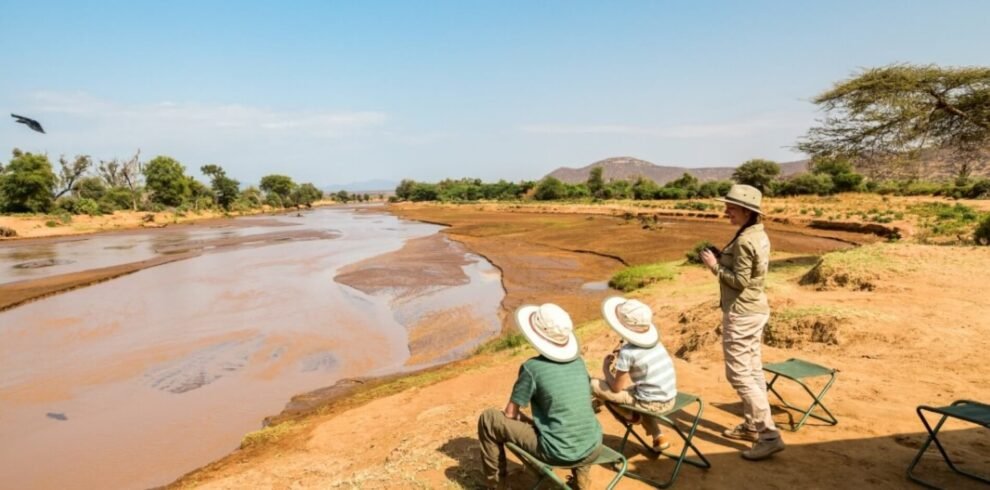
Tana River Explorations: Look for crocodiles, hippos, and birdlife along the riverbanks.
Rock Climbing & Scenic Hikes: The granite outcrops offer incredible views over the savannah.
Game Drives: Ideal for spotting elephants, hyenas, lions, lesser kudu, and giraffes.
Birding: Raptors, waterbirds, and savannah species flourish around the river and rocky cliffs.
Accommodation Options
Kora is still developing its tourism infrastructure, so accommodation is limited:
Inside the Park:
TANAPA Campsites – several public and special campsites along the Tana River. Perfect for self-sufficient adventurers.
Adamson’s Camp (basic, historical, rustic).
Nearby (Meru or Mwingi):
Elsa’s Kopje (luxury, in Meru National Park).
Ikweta Safari Camp (mid-range, near Meru).
Meru Rhino River Camp (comfort/luxury).
Most travelers prefer staying in Meru and doing day trips into Kora, as facilities there are more developed.
Travel Tips
A 4×4 vehicle is non-negotiable—roads can be rough, sandy, or muddy.
Bring plenty of water, food, and fuel; services inside the park are minimal.
If camping, be fully equipped: Kora is remote and has little infrastructure.
Wildlife densities are lower than in major parks, so go with the mindset of wilderness, not guaranteed sightings.
Combine with Meru National Park for a balanced trip—Meru has richer wildlife and excellent lodges.
Best for adventurous travelers, photographers, and those interested in wildlife conservation history.