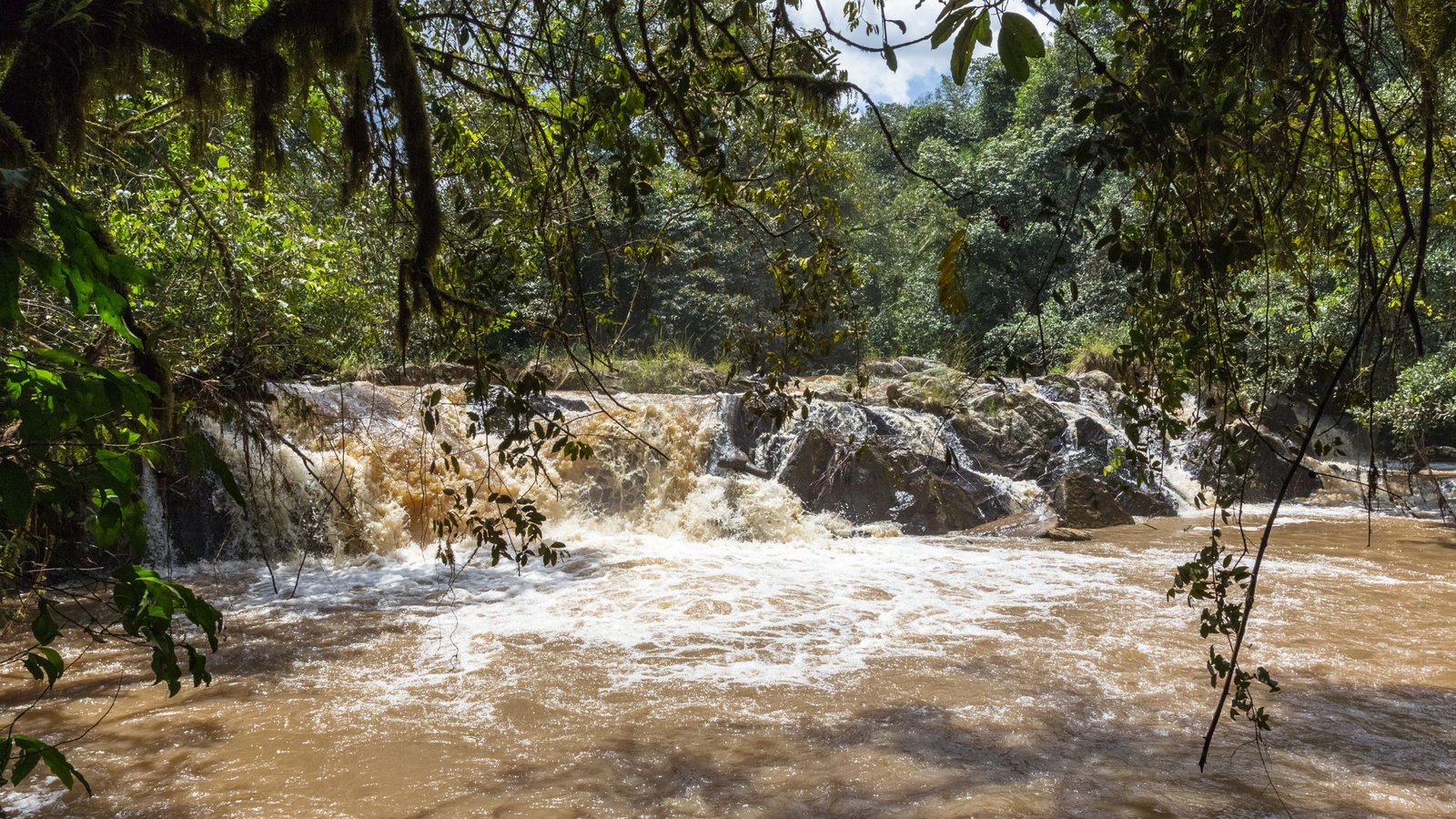
Kakamega Forest

Western highlands of Kenya near the border with Uganda

Overview
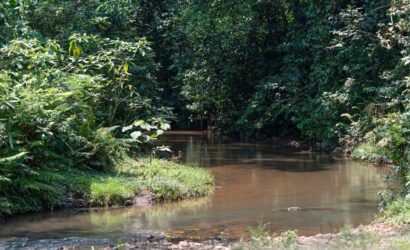
Kakamega Forest is Kenya’s last remaining tropical rainforest, tucked in the western highlands near the border with Uganda. Unlike the savannahs and alkaline lakes of the Rift Valley, Kakamega is a lush, green sanctuary brimming with biodiversity. The forest is a living relic of the ancient Guineo-Congolian rainforest that once stretched across Africa. Visitors come here for its unique flora and fauna, serene trails, and cultural richness.

Why Visit Kakamega Forest

  • Biodiversity hotspot: Home to over 400 species of birds, monkeys, butterflies, and rare plants.

  • Birdwatching paradise: Spot species like the African grey parrot, turacos, and hornbills.

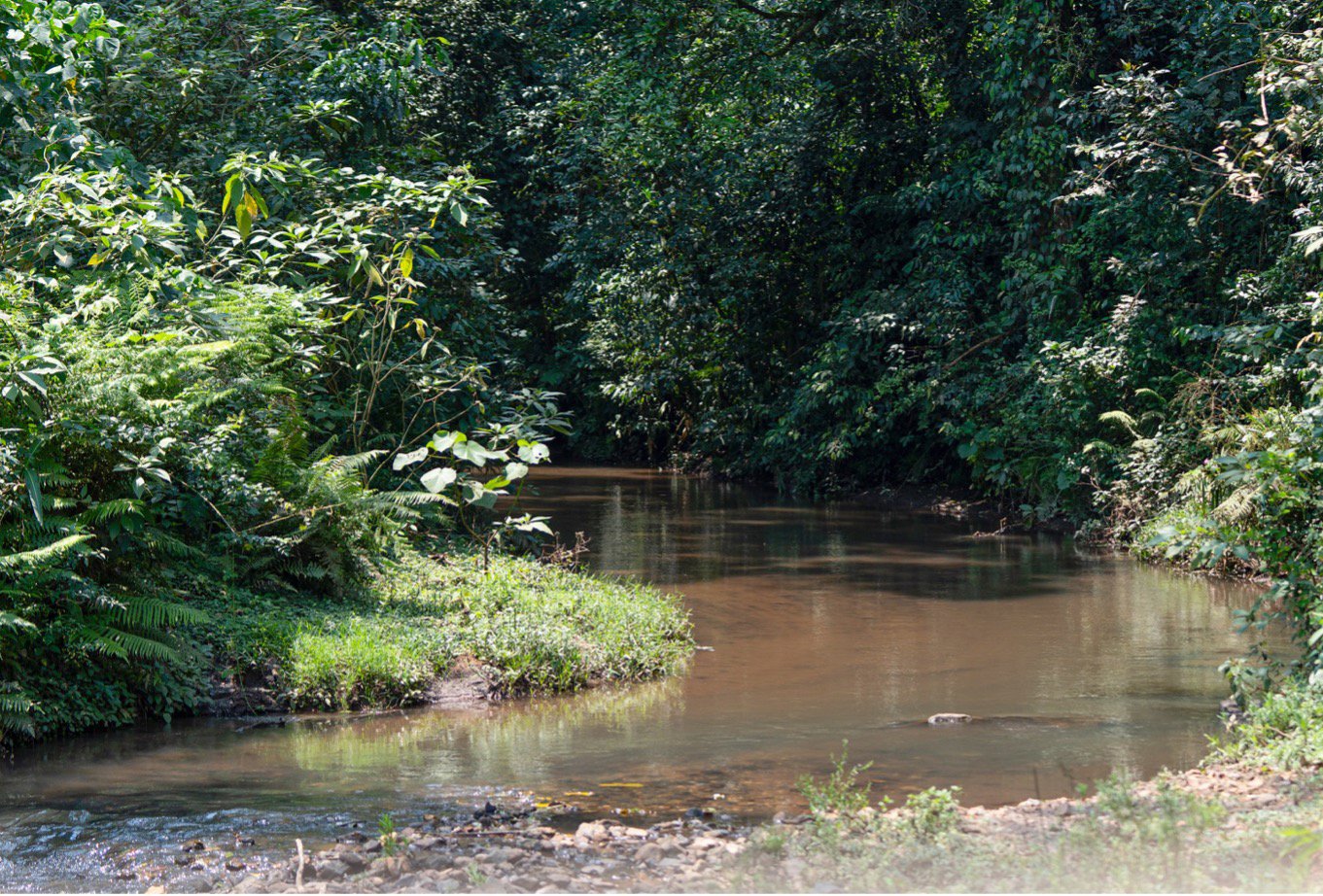
  • Nature walks and hiking: Well-marked trails lead to waterfalls, streams, and scenic viewpoints.

  • Cultural encounters: Surrounding communities offer insights into Luhya traditions and crafts.

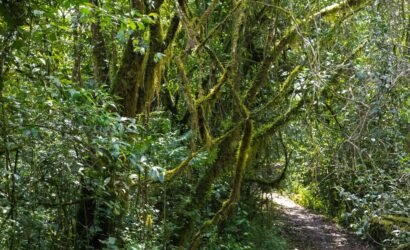
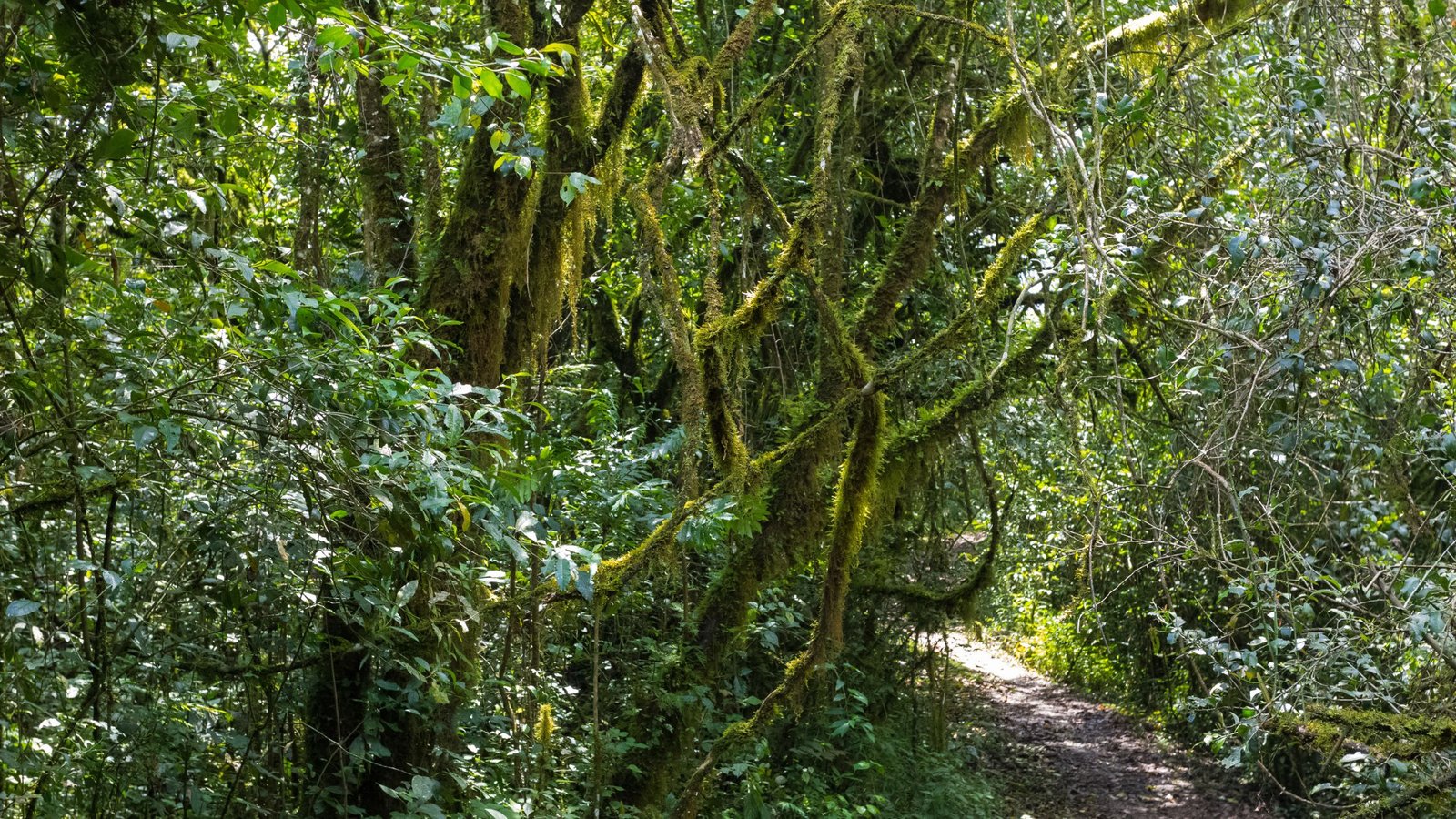
  • Photography and tranquility: Towering trees, moss-covered trunks, and forest clearings create magical photo opportunities.

Best Time to Visit

  • Dry season (December–March & June–October): Trails are easier to navigate, and wildlife spotting is better.

  • Avoid heavy rains (April–May & November): Paths can become slippery and some trails impassable.

  • Birdwatching: Early mornings are best, especially during migratory seasons from September to November.

How to Get There

  • By road: Kakamega Forest is approximately 400 km northwest of Nairobi (6–7 hours’ drive). The main route is via Nakuru–Eldoret–Kakamega, mostly tarmac, though some rural stretches can be bumpy.

  • By air: The nearest airports are Kisumu or Eldoret. From there, a 2–3 hour drive reaches the forest.

  • Tours: Many eco-tour operators include Kakamega as a day trip or part of a western Kenya wildlife and culture circuit.

Popular Attractions & Points of Interest

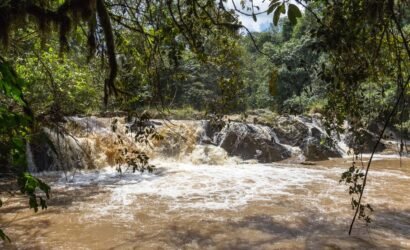
  • Isabatia and Kisere waterfalls: Small but picturesque waterfalls hidden within the forest trails.

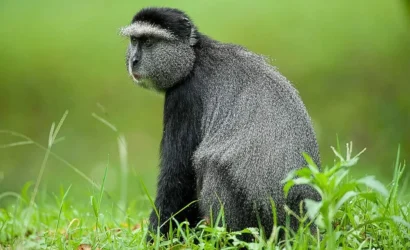
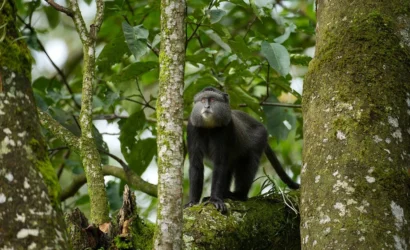
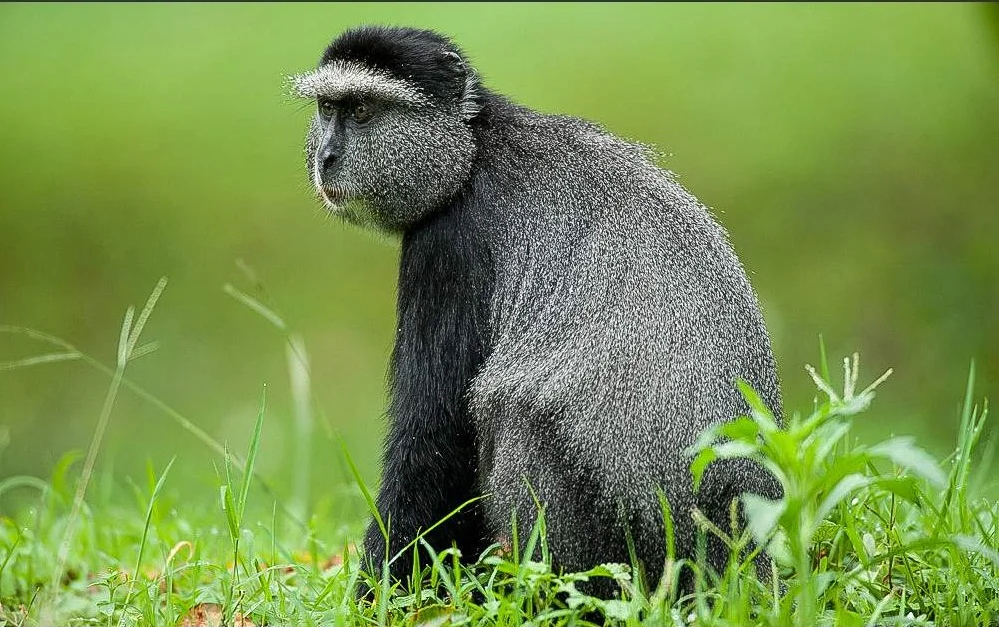
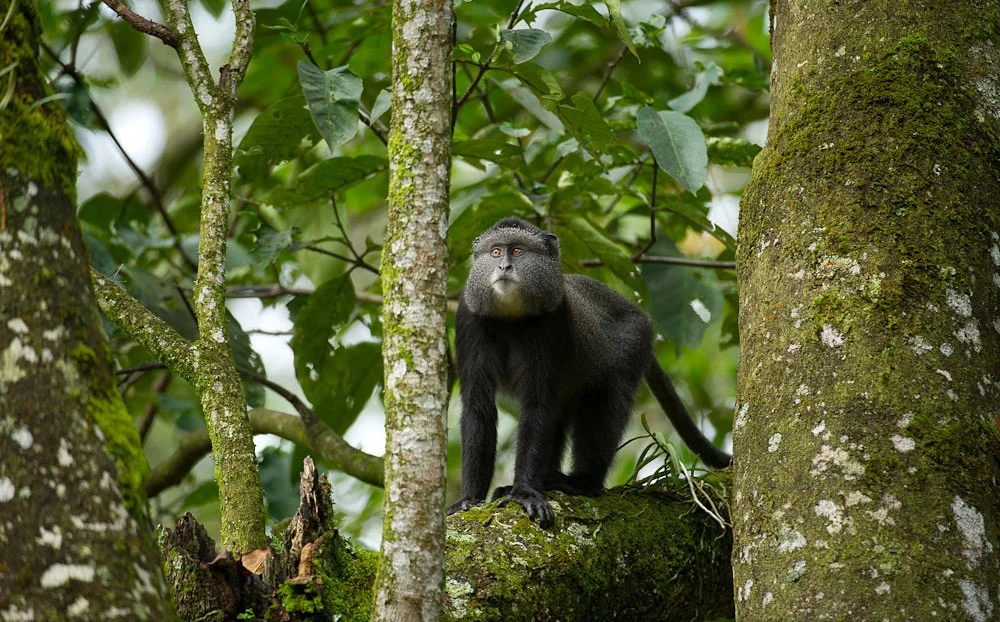
  • Monkey spotting: Colobus monkeys and blue monkeys are commonly seen in the canopy.

  • Nature trails: Trails vary from short loops to longer treks leading deep into the forest.

  • Birdwatching spots: Forest clearings and streams are ideal for spotting colorful bird species.

  • Nearby community visits: Explore local villages, crafts, and traditional farming practices.

Travel Tips

  • What to pack: Lightweight breathable clothing, long sleeves for insect protection, sturdy shoes, rain jacket, binoculars, camera, and insect repellent.

  • Health: Carry malaria prophylaxis; ensure tetanus vaccinations are up to date.

  • Guides & permits: Hiring a local guide is highly recommended for navigation and spotting wildlife. Entrance fees apply to support forest conservation.

  • Accommodation: Options include forest lodges, eco-camps, and homestays in nearby Kakamega town. Book ahead during peak seasons.

  • Etiquette: Stay on trails, avoid disturbing wildlife, and respect local communities.

Trips You Might Like

Big 5 Safari

Bookings are open for 2026!

Highlights:

  • Game Drives in Maasai Mara
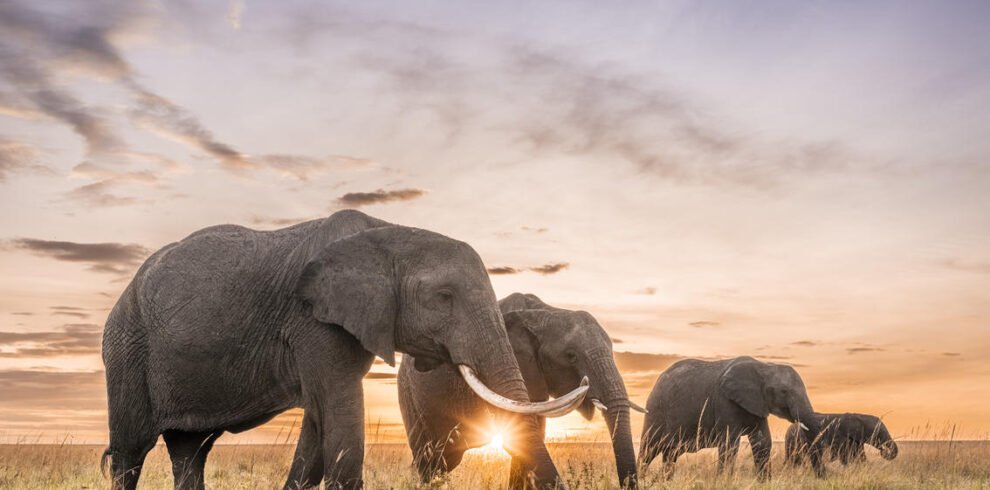
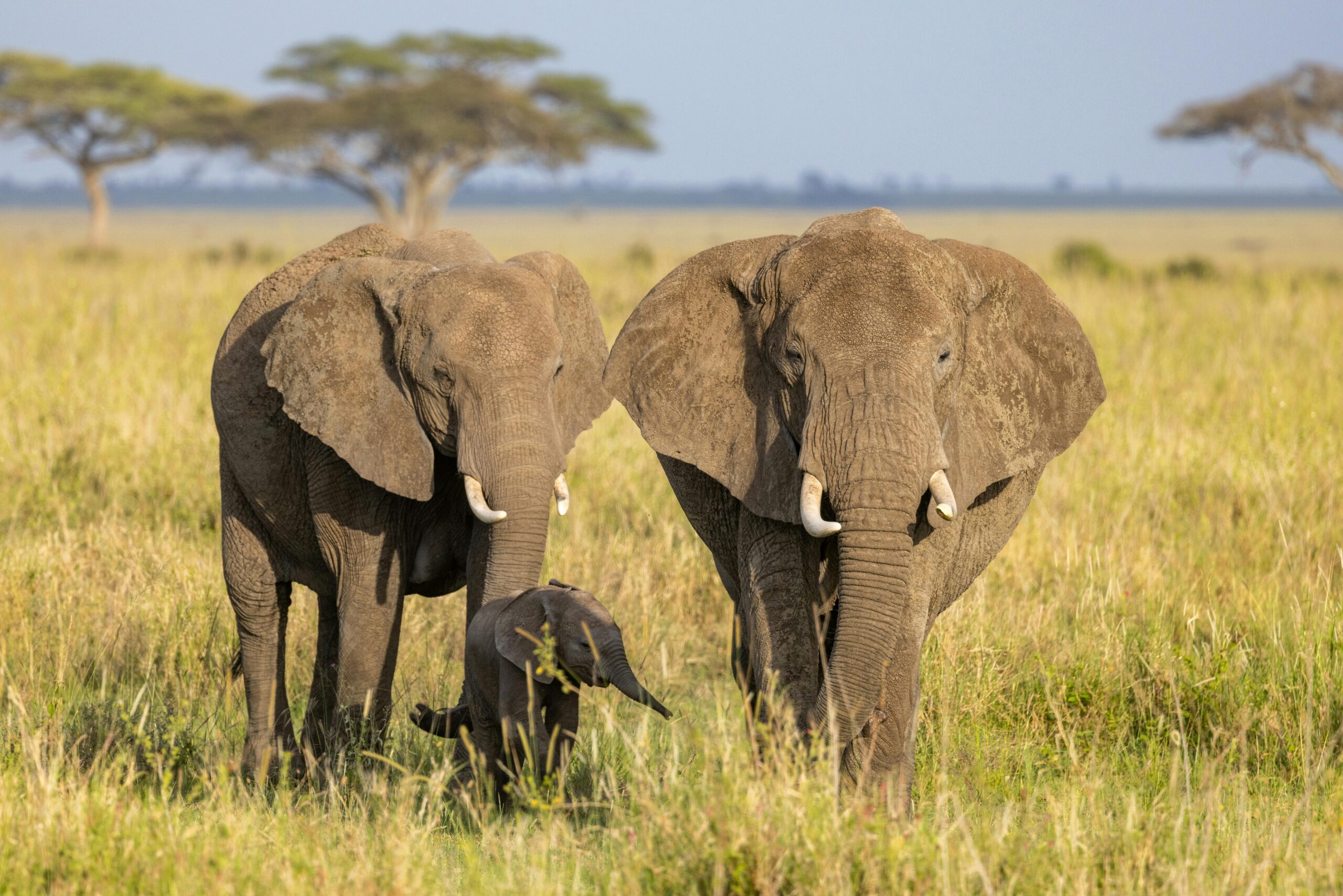
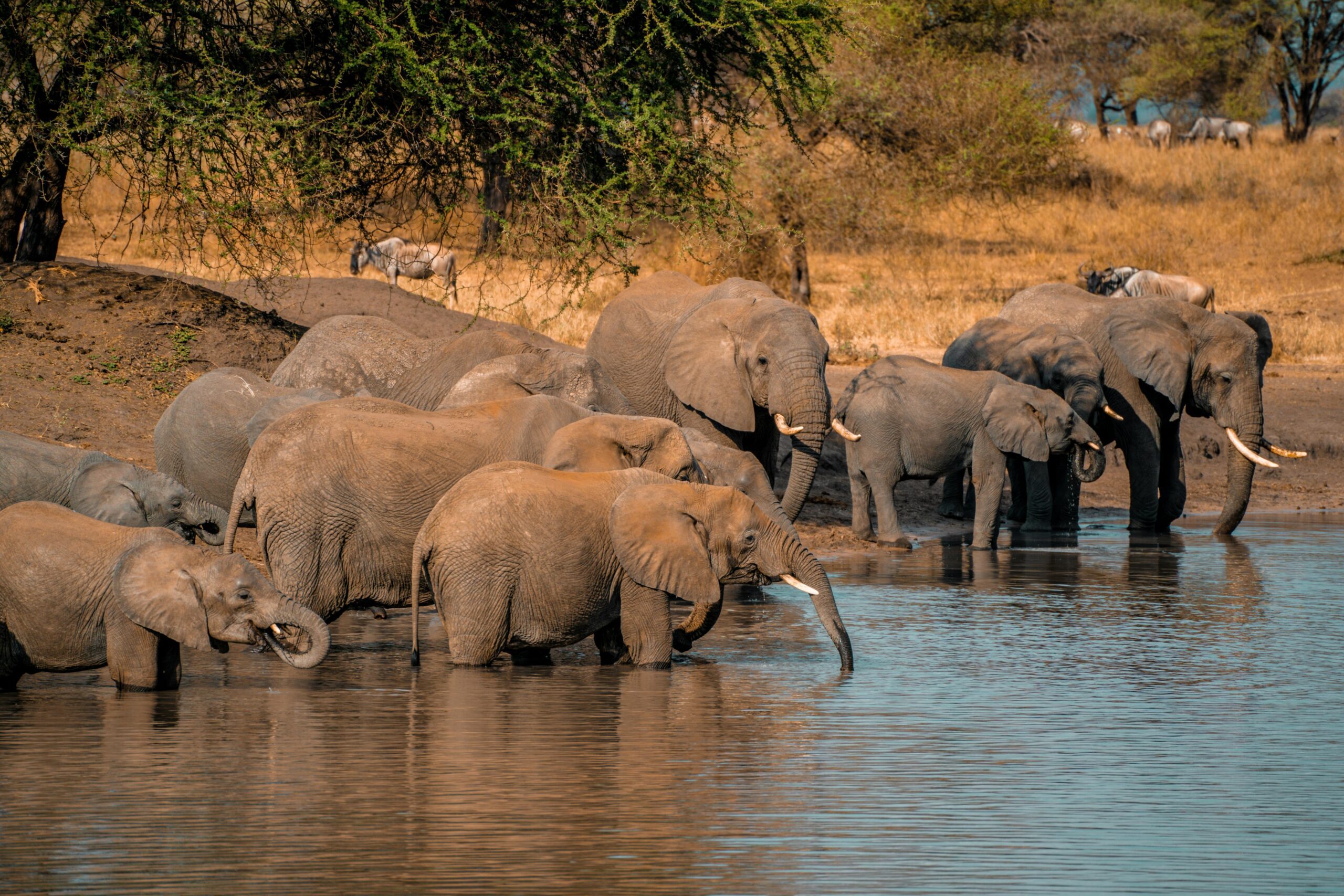
  • Close encounters with large elephant herds
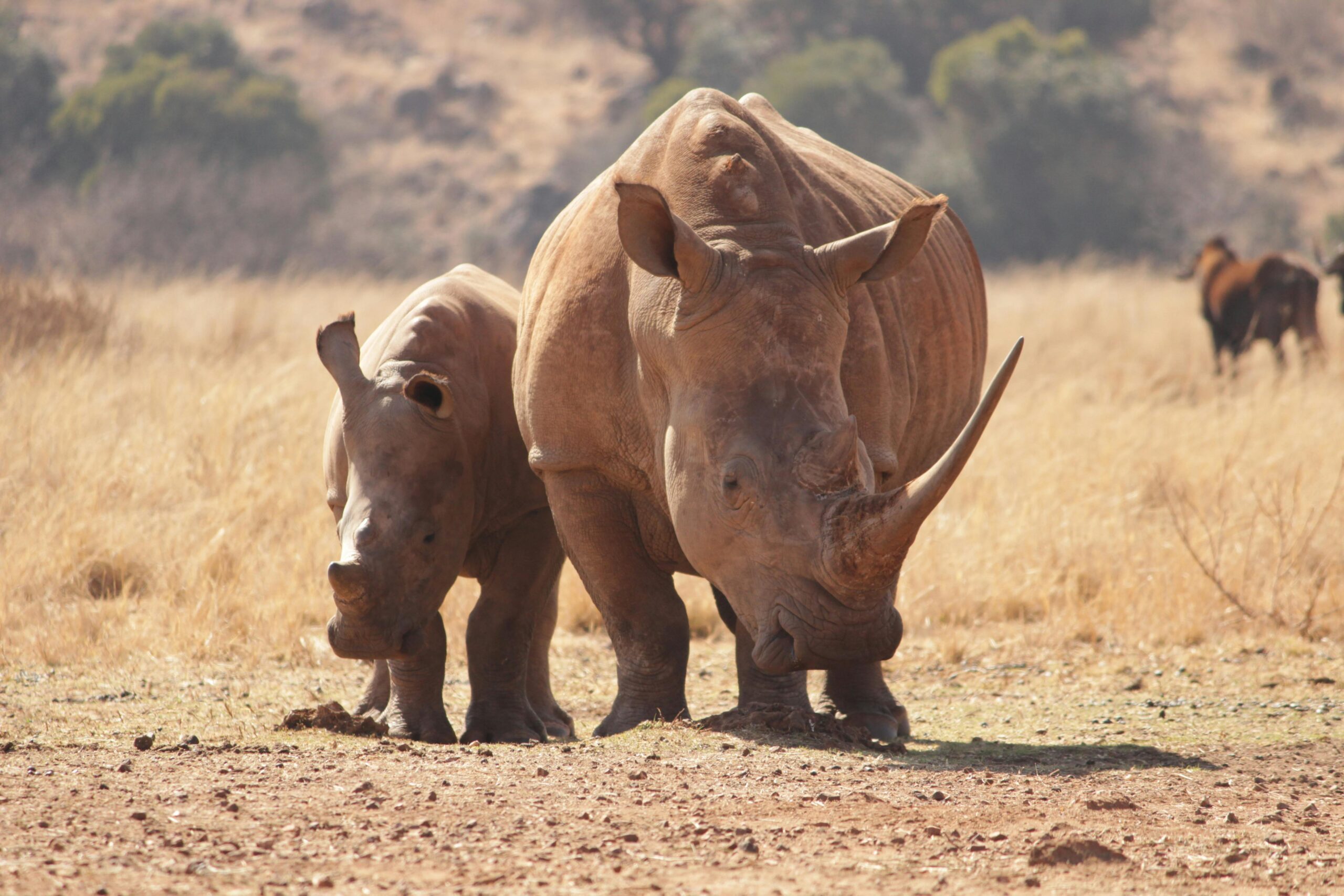
  • Visit the last two northern white rhinos at Ol Pejeta Conservancy
  • Visit Bird Paradise at Lake Nakuru
  • Cultural Connection with the Maasai Community

1
2
3
4

Customize your safari experience.

We create personalized trips based on your preferences, this means no two trips are the same. Every detail of your journey is tailored to you for an unforgettable adventure.

Please fill in the form below to get an accurate quote
How flexible are your travel dates?