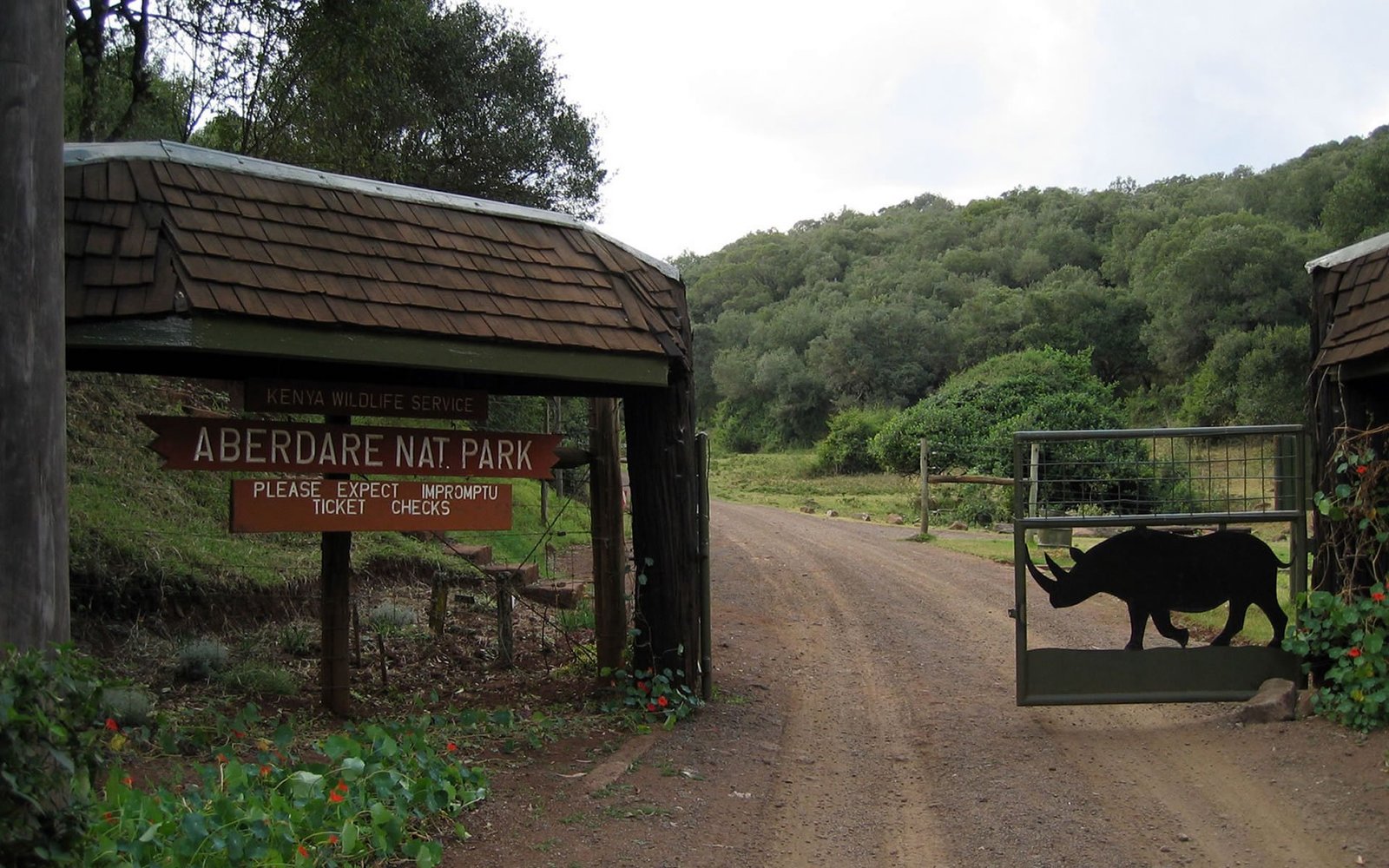
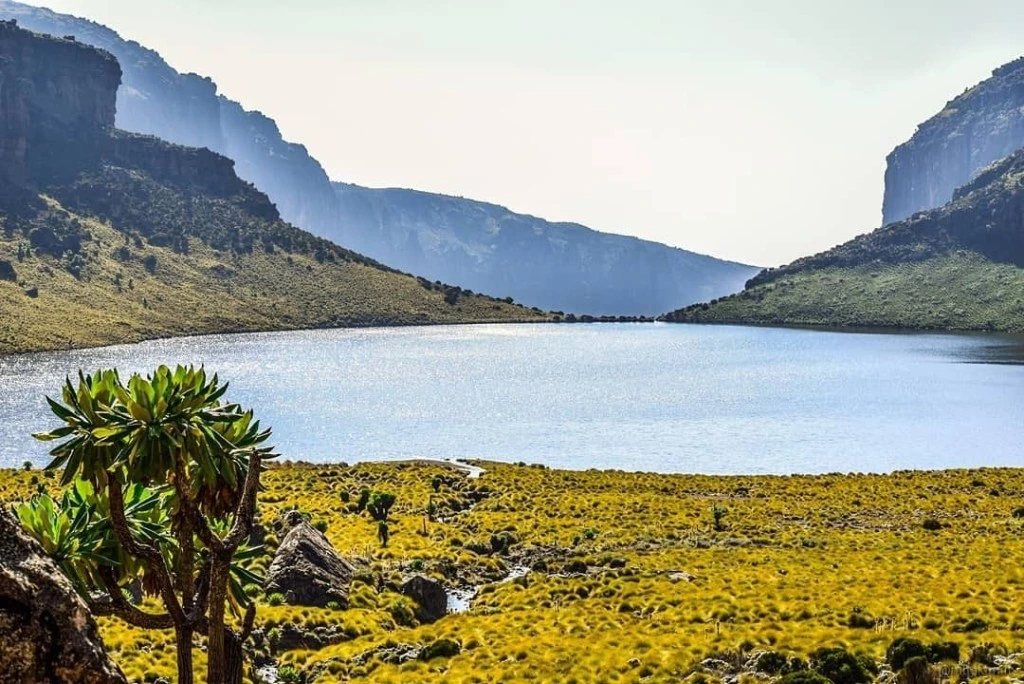
Set in the central highlands of Kenya, Aberdare National Park is a lush, mountainous paradise where mist-covered peaks meet deep forest valleys and tumbling waterfalls. Established in 1950, the park covers an area of about 767 km² and stretches across the Aberdare Mountain Range, with altitudes ranging from 2,100 to 4,300 meters.
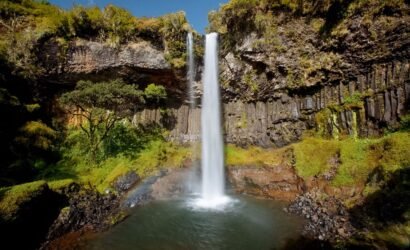
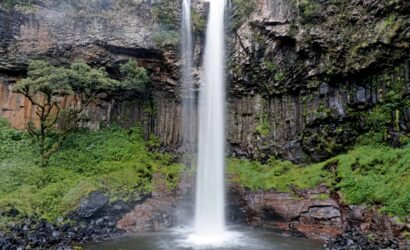
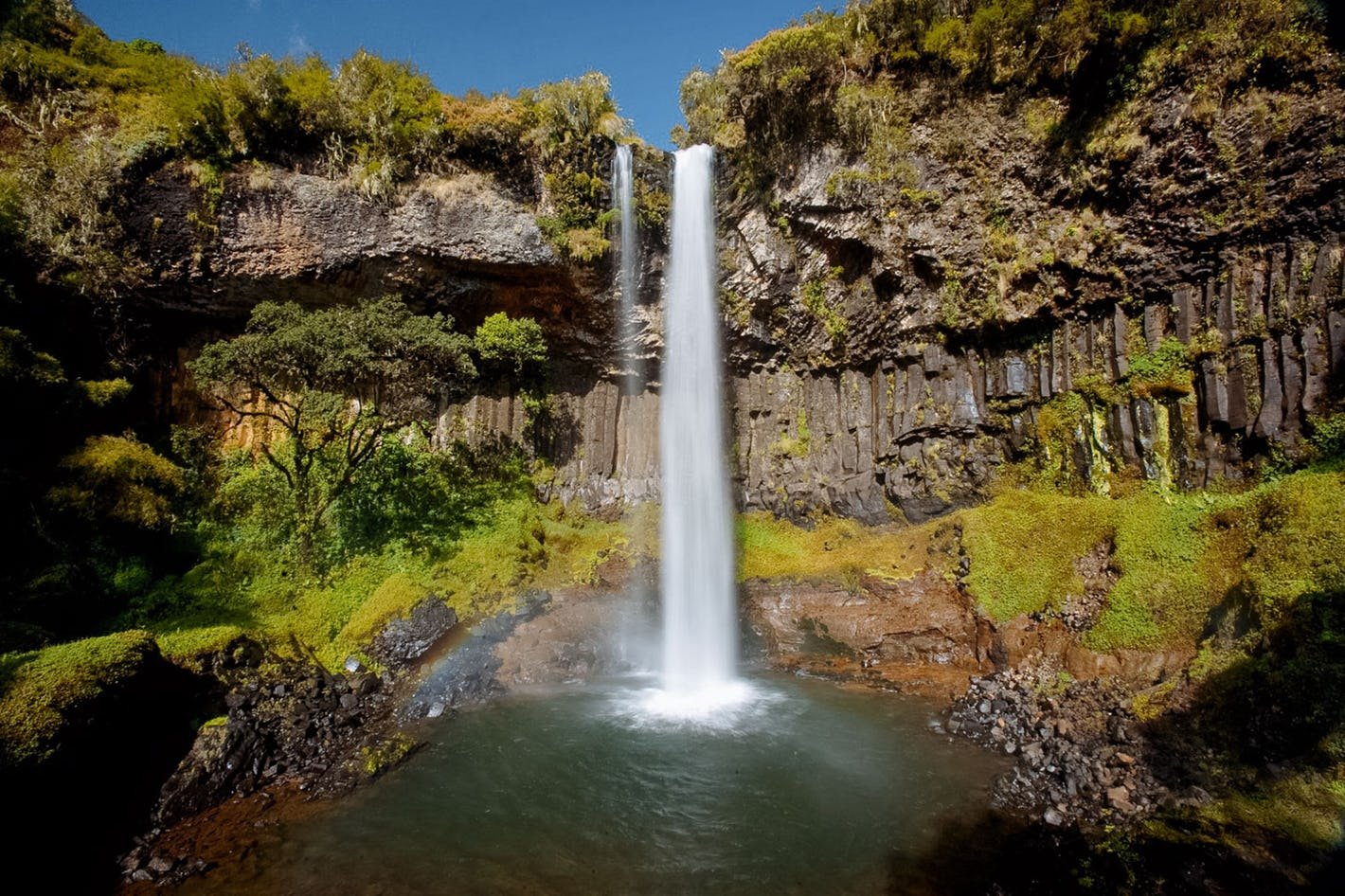
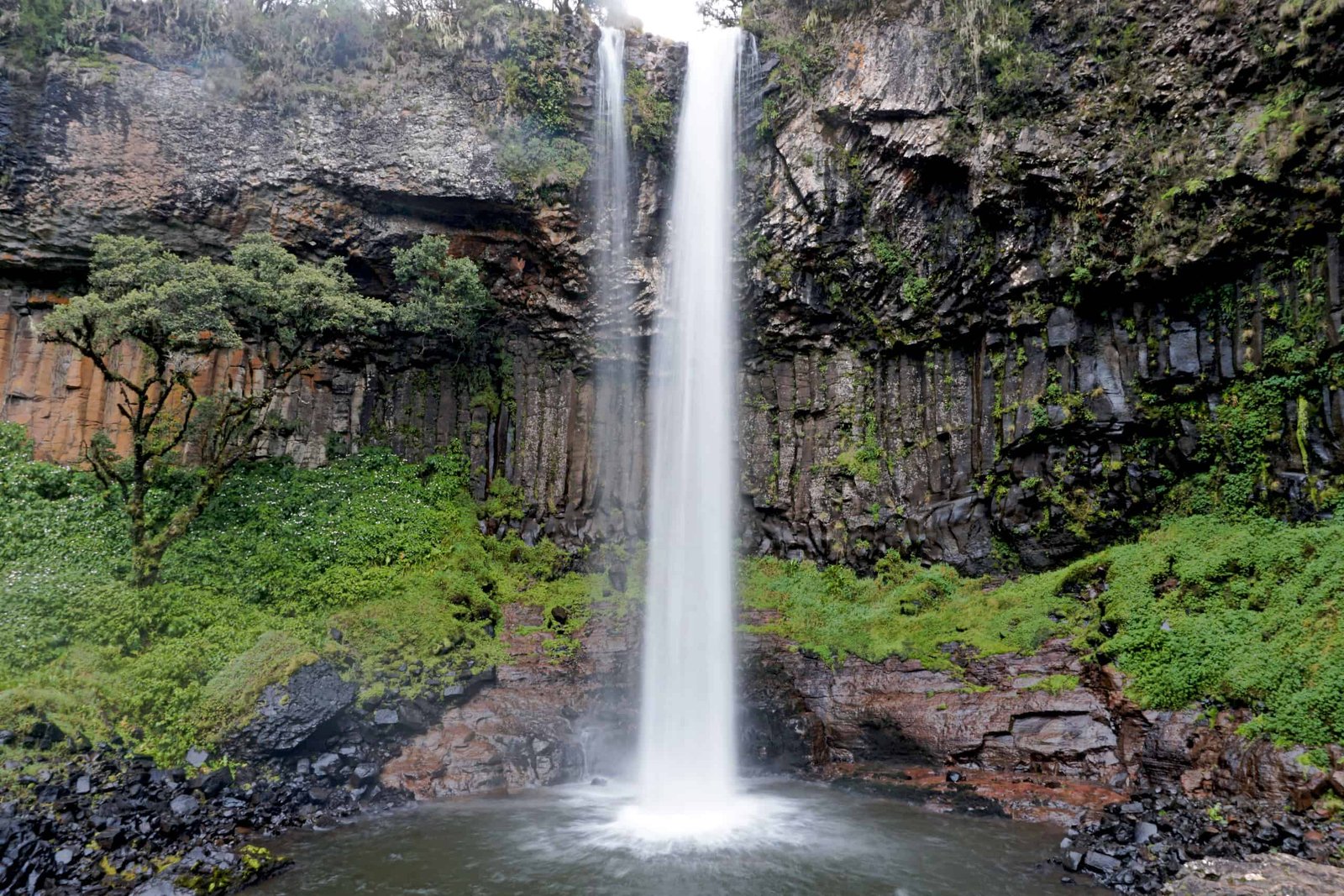
Known for its cool climate and dense vegetation, the Aberdares are a sanctuary for rare wildlife such as the elusive bongo antelope and the black leopard, as well as iconic landmarks like Karuru Falls — Kenya’s tallest waterfall.
Why Visit Aberdare National Park
Aberdare offers a distinctive safari experience that combines natural beauty, adventure, and history.
Here’s why it stands out:
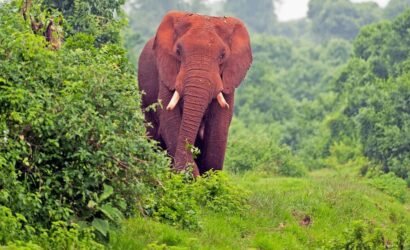
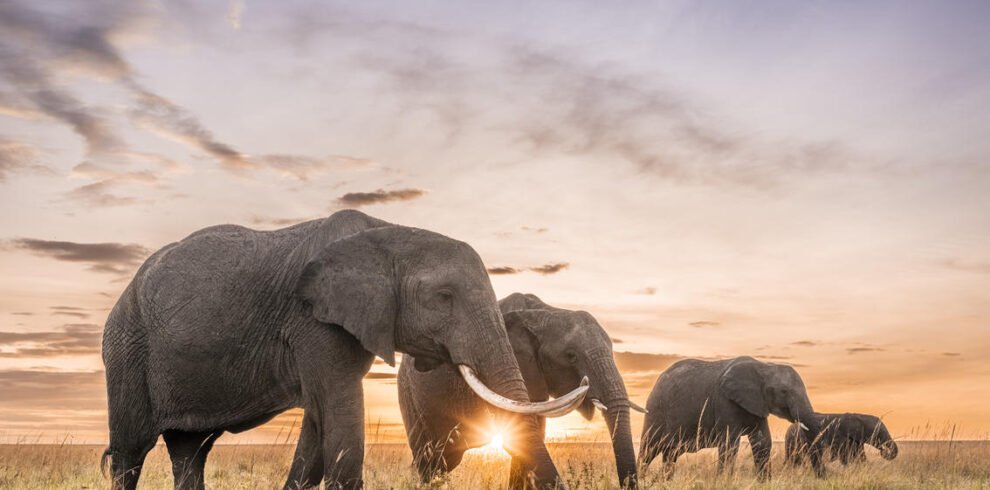
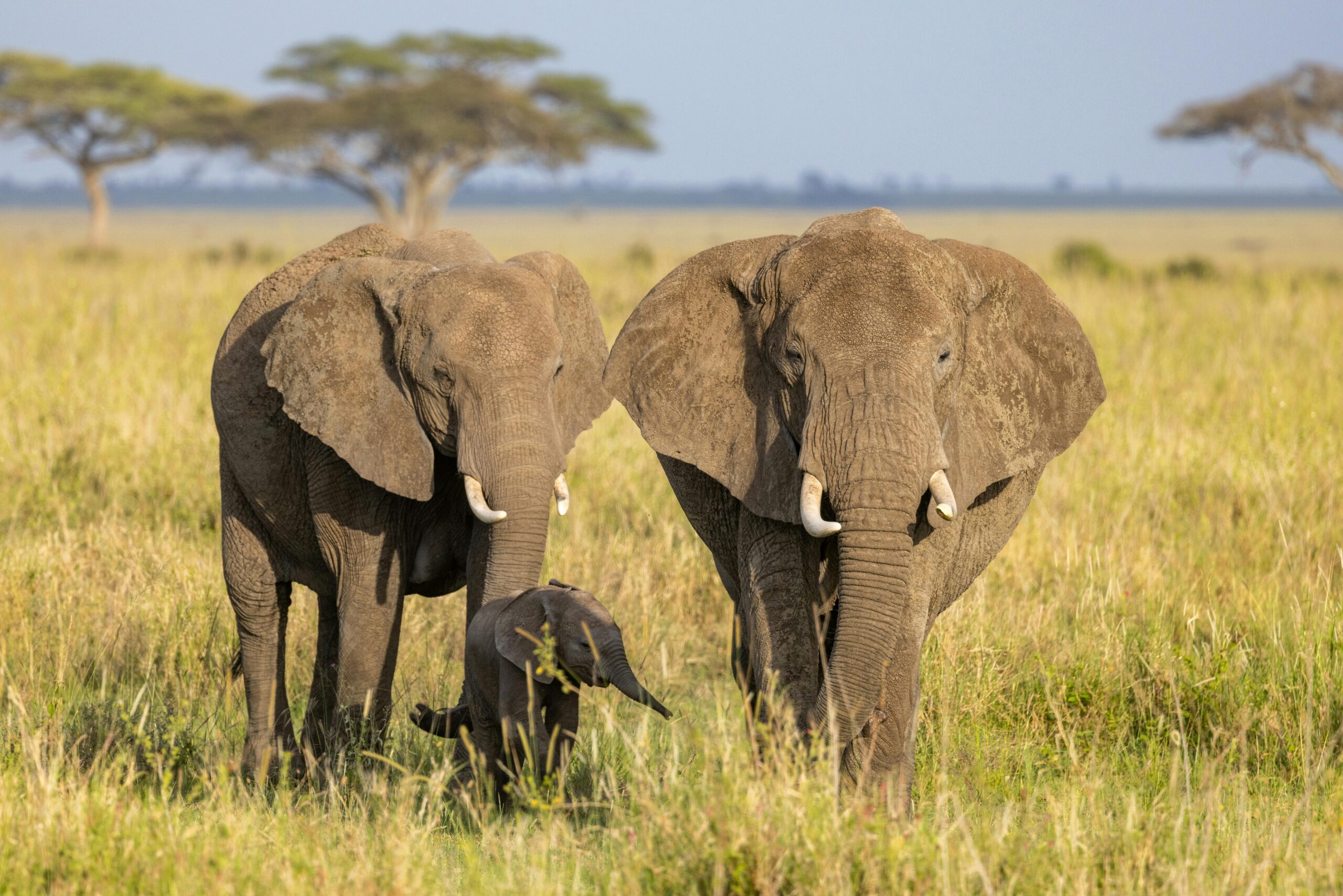
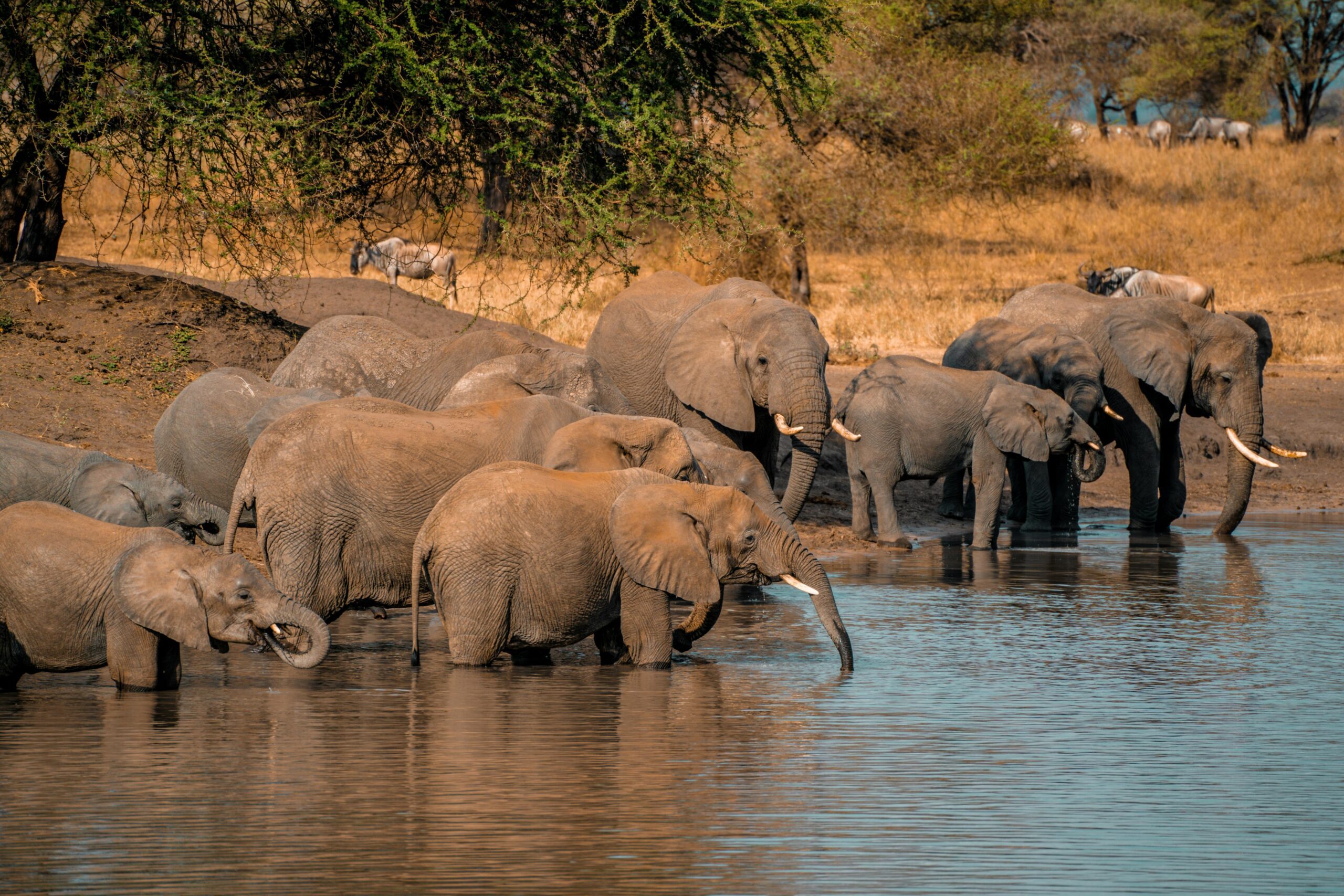
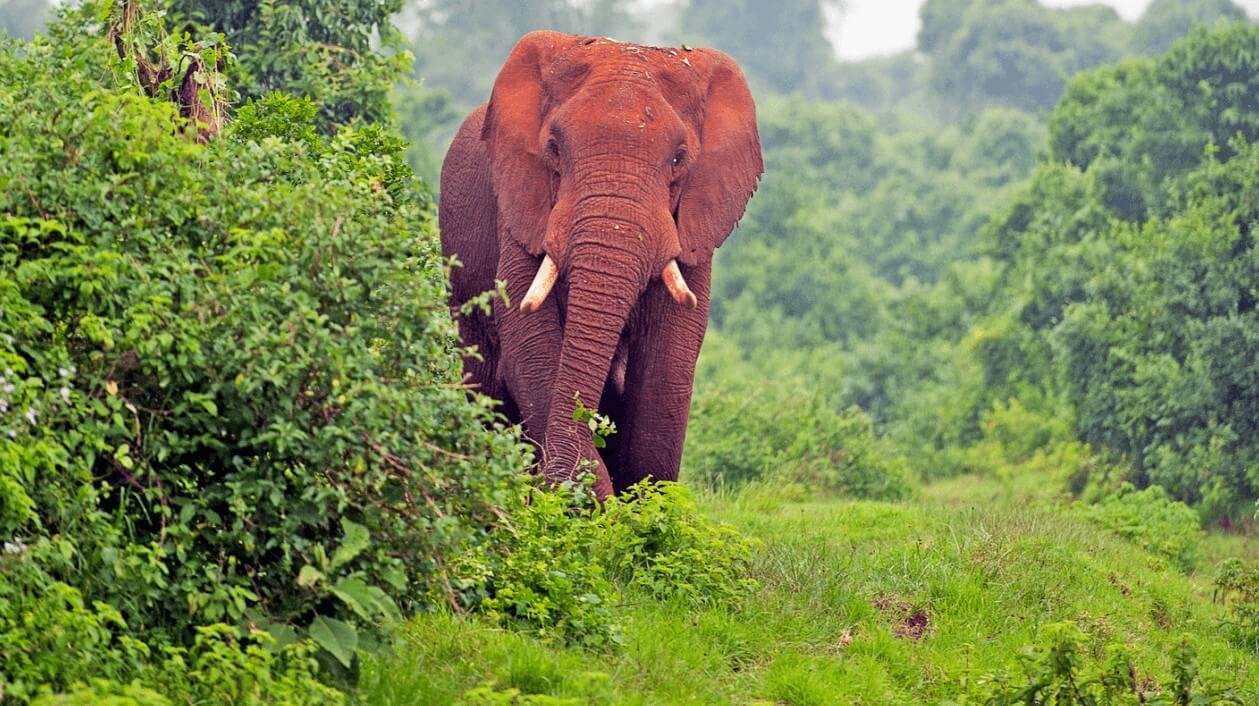
Unique Forest Wildlife: Spot elephants, buffaloes, bushbucks, leopards, and even the rare bongo antelope in the dense forest.
Stunning Scenery: Misty bamboo forests, moorlands, waterfalls, and panoramic viewpoints.
Cool Climate: A refreshing escape from the lowland heat — perfect for hiking and photography.
Historic Lodges: The Ark and Treetops Lodges are famous for their floodlit waterholes that attract wildlife right to your doorstep.
Cultural and Royal Legacy: Queen Elizabeth II learned of her accession to the throne while staying at Treetops Lodge in 1952.
Wildlife and Nature
Aberdare National Park is home to a fascinating mix of highland and forest species. Visitors can spot elephants, buffaloes, leopards, giant forest hogs, bushbucks, and the rare bongo antelope. Bird enthusiasts can find over 250 bird species, including Hartlaub’s turaco, Jackson’s francolin, and Abyssinian crimsonwing.
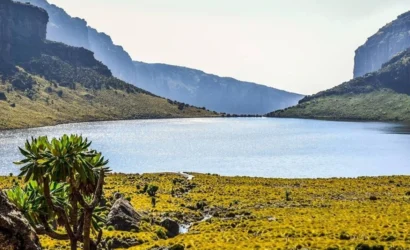
The park’s landscapes are equally captivating — from thick rainforests and bamboo groves to alpine moorlands dotted with giant lobelias. Its numerous rivers feed spectacular waterfalls such as Karuru, Chania, and Gura Falls, making it a photographer’s dream.
Best Time to Visit
Dry Season (January–March & June–October): Best for wildlife viewing and hiking.
Rainy Season (April–May & November): Lush scenery and fewer crowds, but some roads may be muddy.
Things to Do
Aberdare offers a mix of adventure, tranquility, and discovery:
Game Viewing: Spot forest elephants, leopards, and other wildlife from lodges or during drives.
Waterfall Tours: Visit Karuru, Gura, and Chania Falls for breathtaking views.
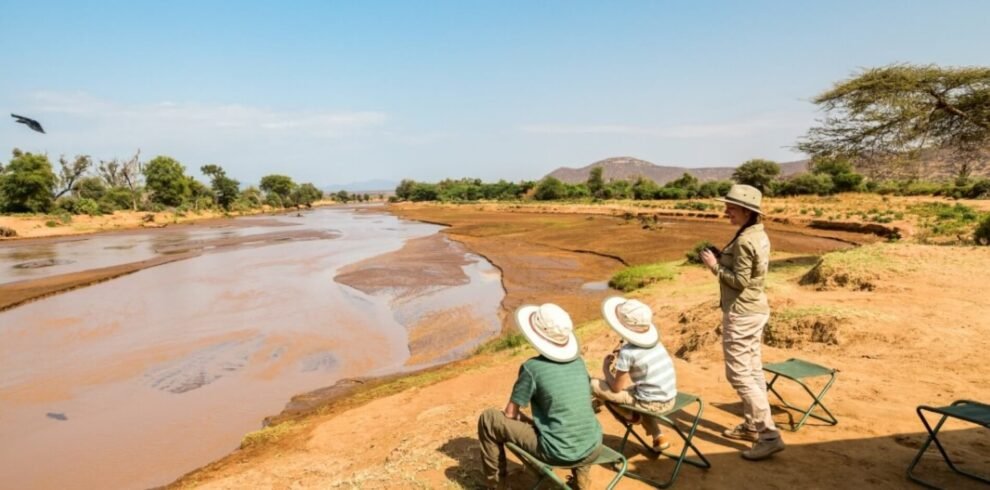
Hiking and Nature Walks: Trek through bamboo forests and moorlands, guided by rangers.
Fishing: Trout fishing in the park’s cool mountain streams.
Birdwatching: An incredible range of highland species awaits enthusiasts.
Photography: Capture misty forests, rugged peaks, and dramatic light.
Where to Stay
Aberdare National Park offers a range of accommodation options both inside and near the park:
The Ark Lodge: Modeled after Noah’s Ark, this lodge overlooks a floodlit waterhole frequented by wildlife.
Treetops Lodge: Historic and famous for its royal connection.
Aberdare Country Club: Set on the park’s outskirts with excellent views and easy access.
Camping: Public and special campsites are available for those seeking a more rugged experience.
How to Get There
Conservation and Community
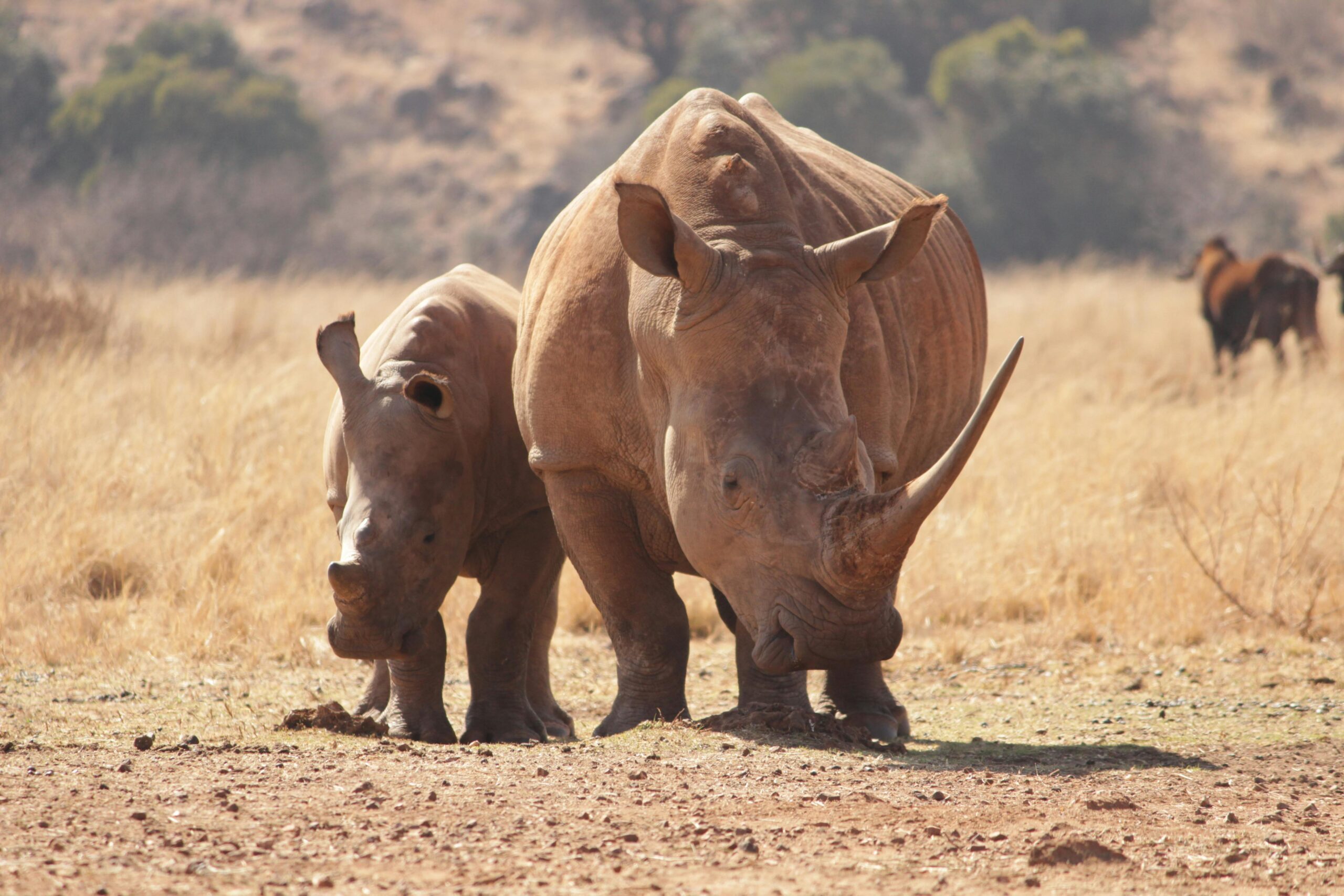
Aberdare National Park is managed by the Kenya Wildlife Service (KWS) and plays a crucial role in protecting Kenya’s central highland forests, which act as key water catchment areas for major rivers. The park supports conservation efforts for endangered species such as the bongo and black rhino, and partners with local communities to promote eco-friendly tourism and reforestation projects.
Visitors are encouraged to respect park rules, keep noise levels low, and avoid leaving litter to help preserve this fragile ecosystem.
Travel Tips
The weather can be cold and wet — pack warm clothing and waterproof gear.
4WD vehicles are recommended, especially during rainy months.
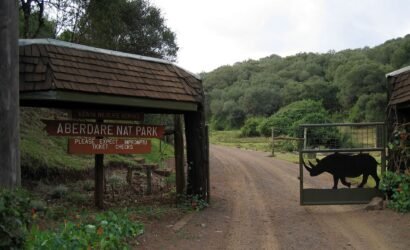
Entry fees are payable to KWS at the park gates.
Carry binoculars and a good camera — the scenery and birdlife are spectacular.
FAQs
1. Is Aberdare National Park good for safaris?
Yes, although wildlife is harder to spot in dense forests, the experience is unique and rewarding.
2. Can I hike in the park?
Yes, guided hikes are allowed in designated areas and offer beautiful scenery.
3. Are there Big Five animals in Aberdare?
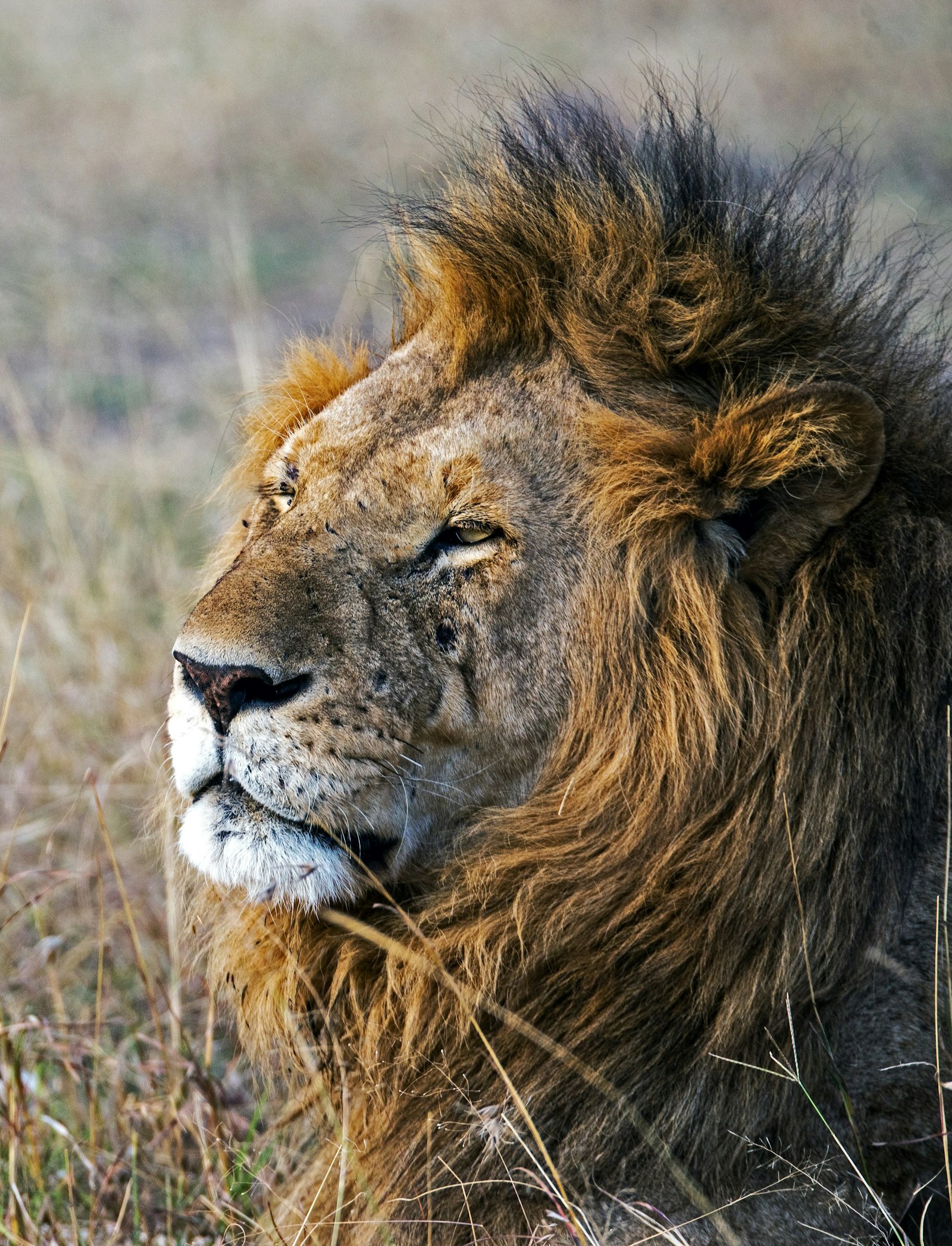
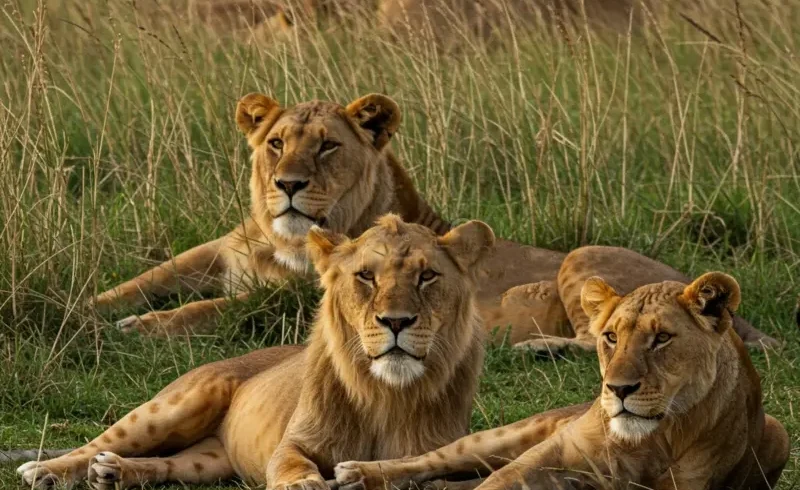
Yes — elephants, leopards, buffaloes, and rhinos are present. Lions are rare but occasionally sighted.
4. What is the park’s altitude?
It ranges from 2,100 m to 4,300 m above sea level, so expect cool, misty conditions.
5. Can I visit Aberdare in a day trip from Nairobi?
Yes, but it’s better experienced with an overnight stay to enjoy the lodges and night wildlife viewing.
Conclusion
Aberdare National Park offers a magical blend of mystery, beauty, and tranquility. With its mist-shrouded forests, cascading waterfalls, and unique highland wildlife, it’s an ideal destination for travelers seeking a different kind of Kenyan safari — one that’s serene, scenic, and full of surprises.
Plan your Aberdare adventure today and discover the hidden gem of Kenya’s central highlands.