Nyerere (Selous) National Park
Southeastern Tanzania, 230km Southwest of Dar es Salaam
Overview
Nyerere National Park, established in 2019 from a section of the former Selous Game Reserve, is Africa’s largest national park, spanning over 30,000 km²—larger than Denmark. It’s named after Julius Nyerere, Tanzania’s founding president, and is part of the Selous ecosystem, a UNESCO World Heritage Site. The park’s vast landscapes of miombo woodlands, open savannahs, and meandering rivers—particularly the mighty Rufiji River—make it one of the most pristine and biodiverse wilderness areas in East Africa.
Far less crowded than northern parks like the Serengeti, Nyerere offers a truly wild, off-the-beaten-path safari experience where travelers can encounter nature in near solitude.
Why Visit Nyerere National Park
Untamed Wilderness: One of the least developed parks in Tanzania, offering raw, authentic safari experiences.
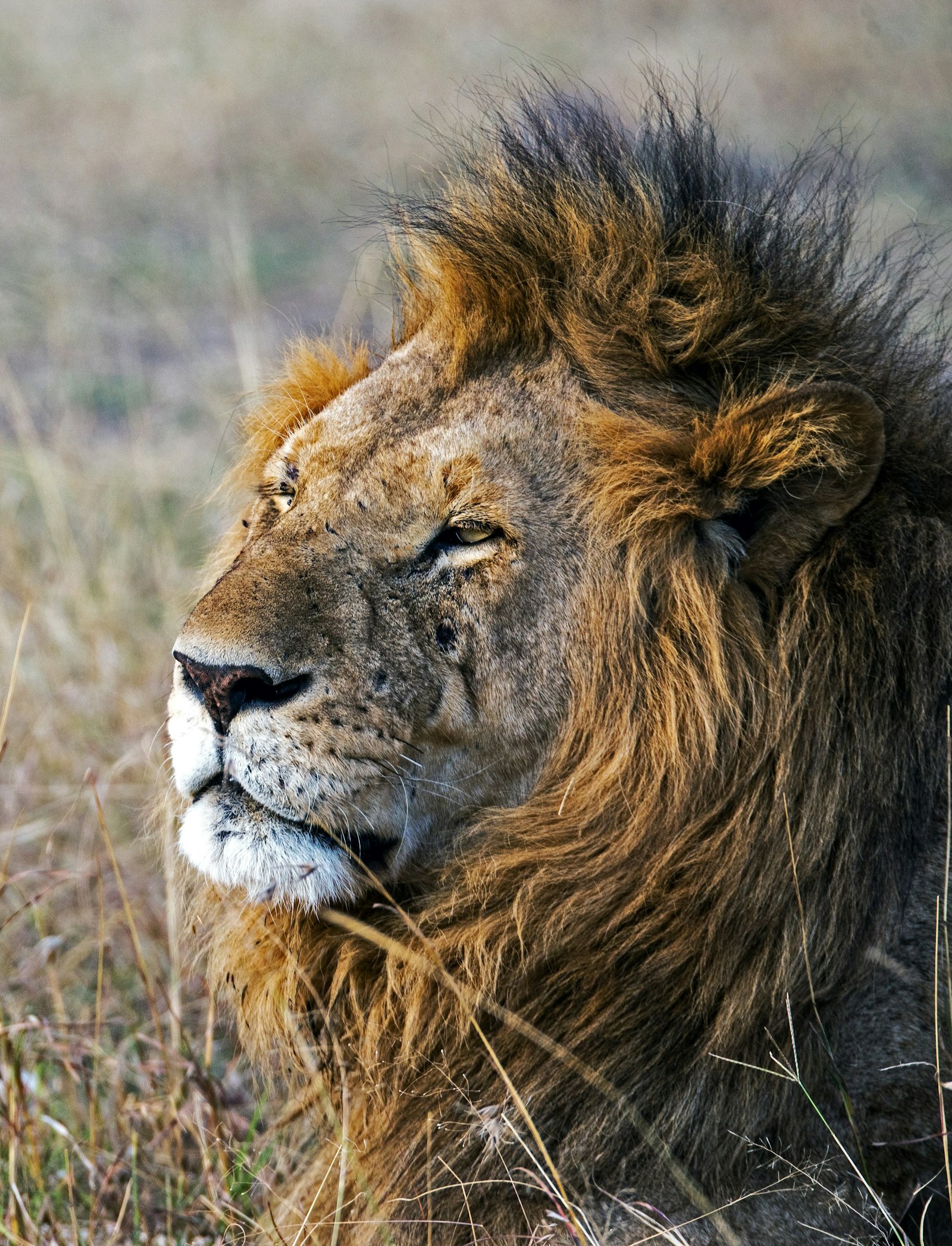
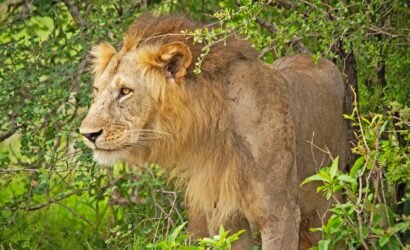
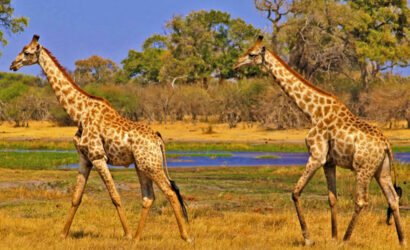
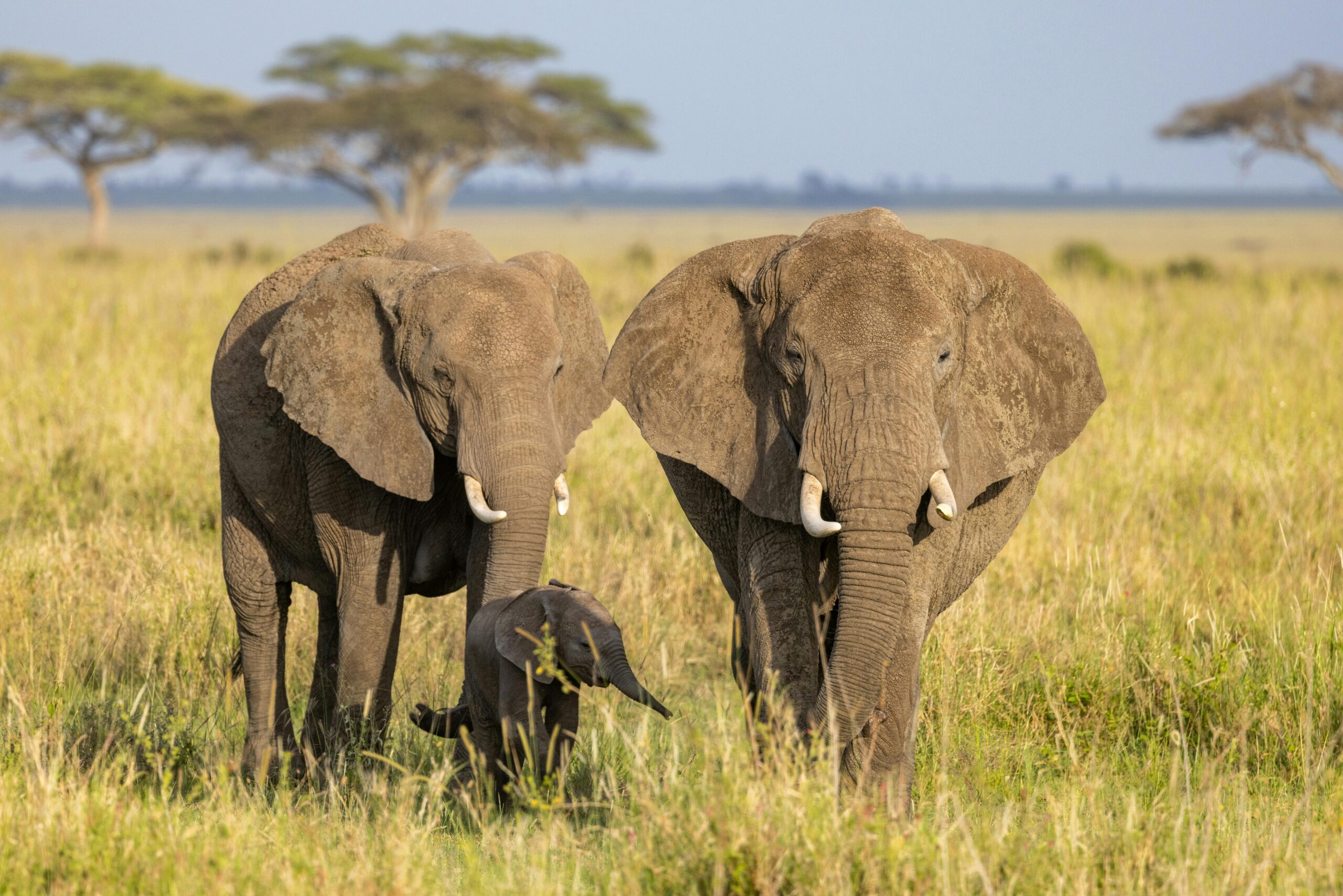
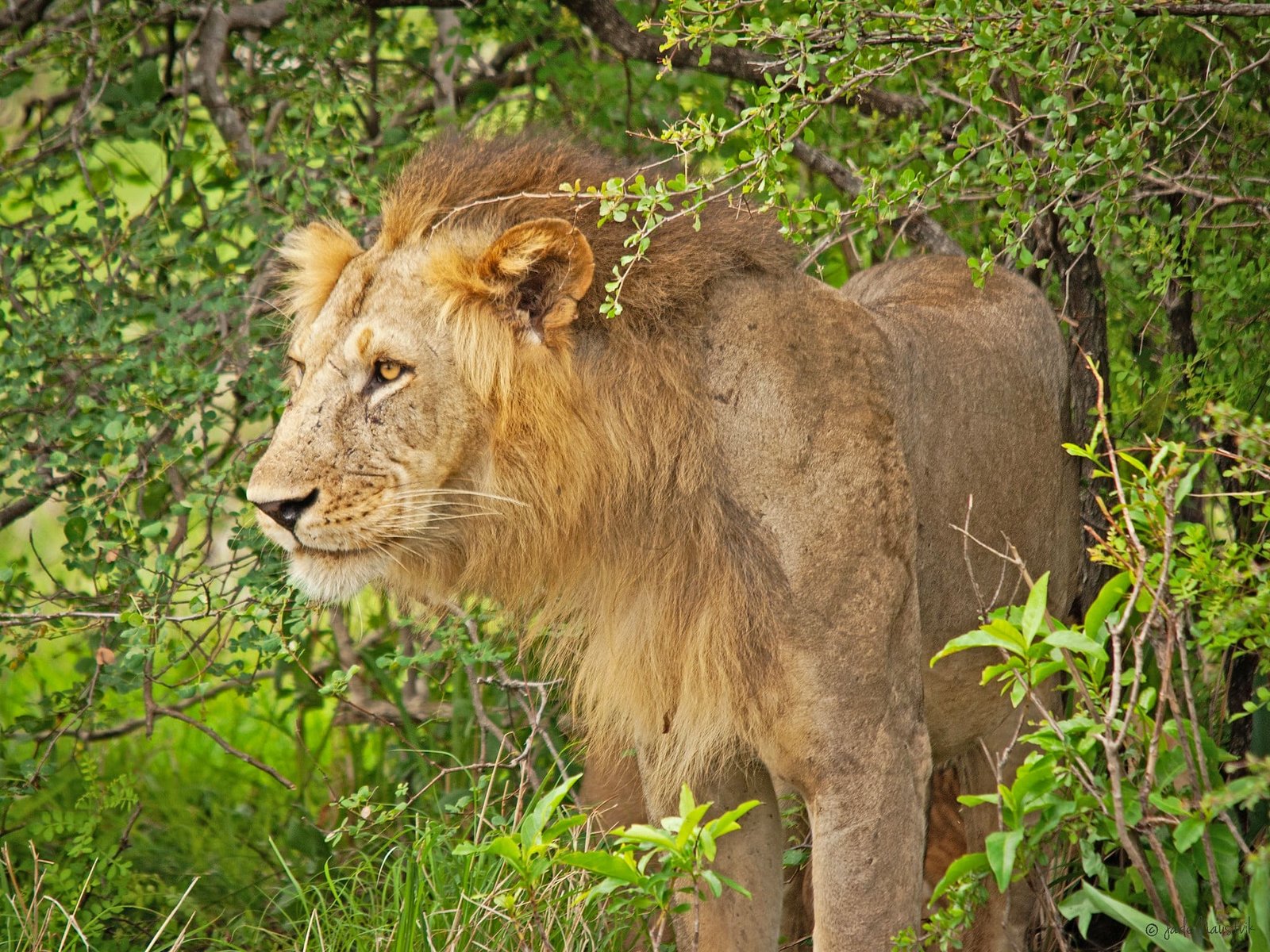
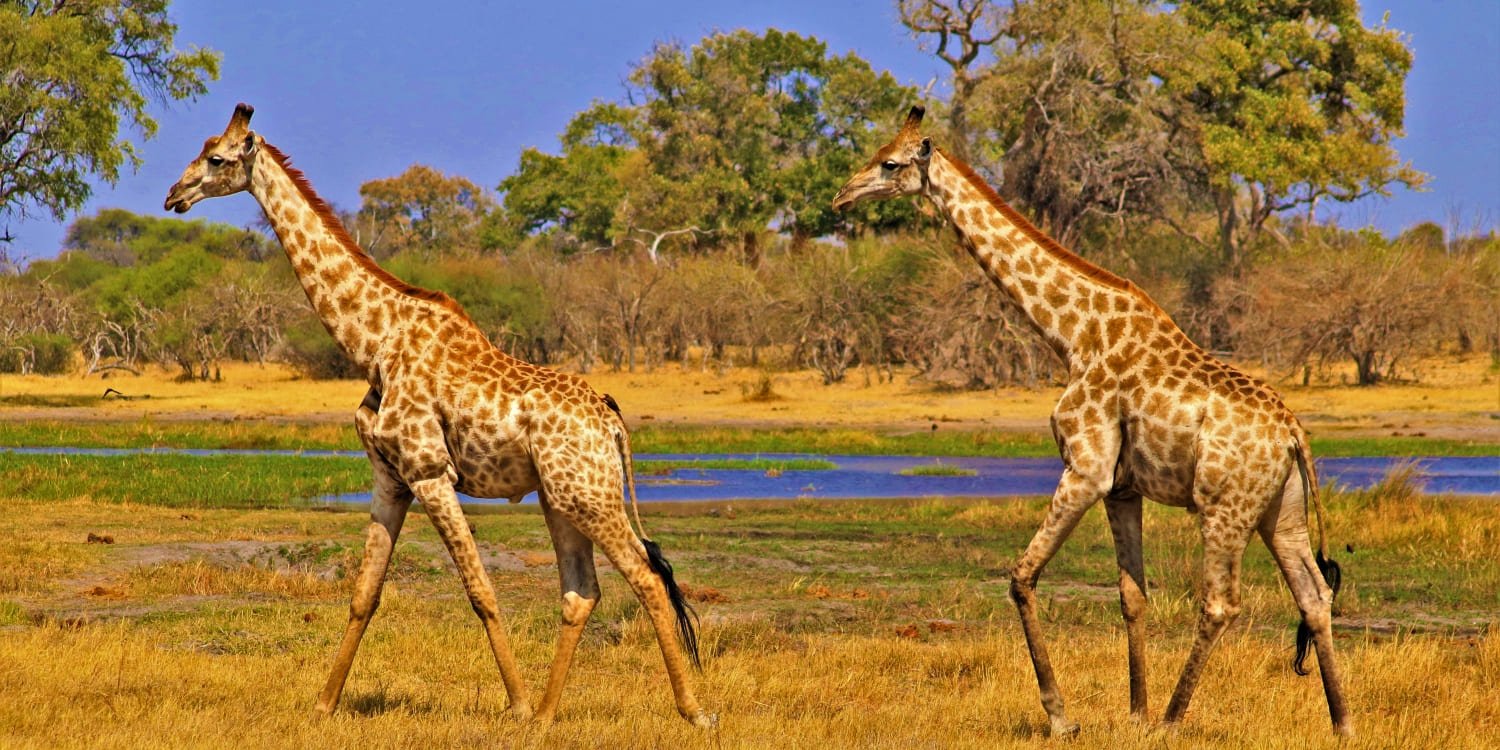
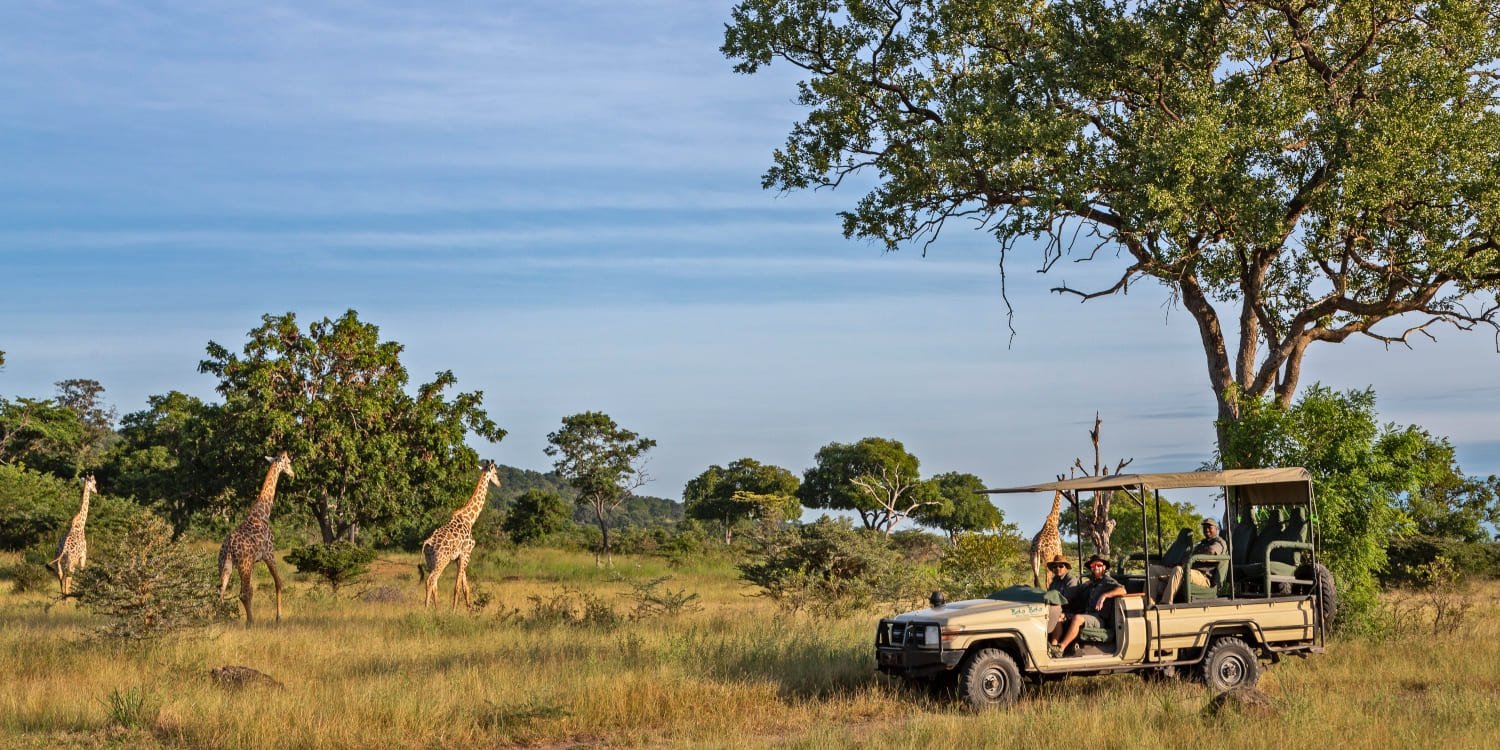
Abundant Wildlife: Home to Tanzania’s largest populations of elephants, lions, hippos, crocodiles, buffaloes, giraffes, and wild dogs.
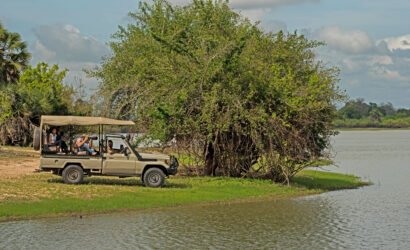
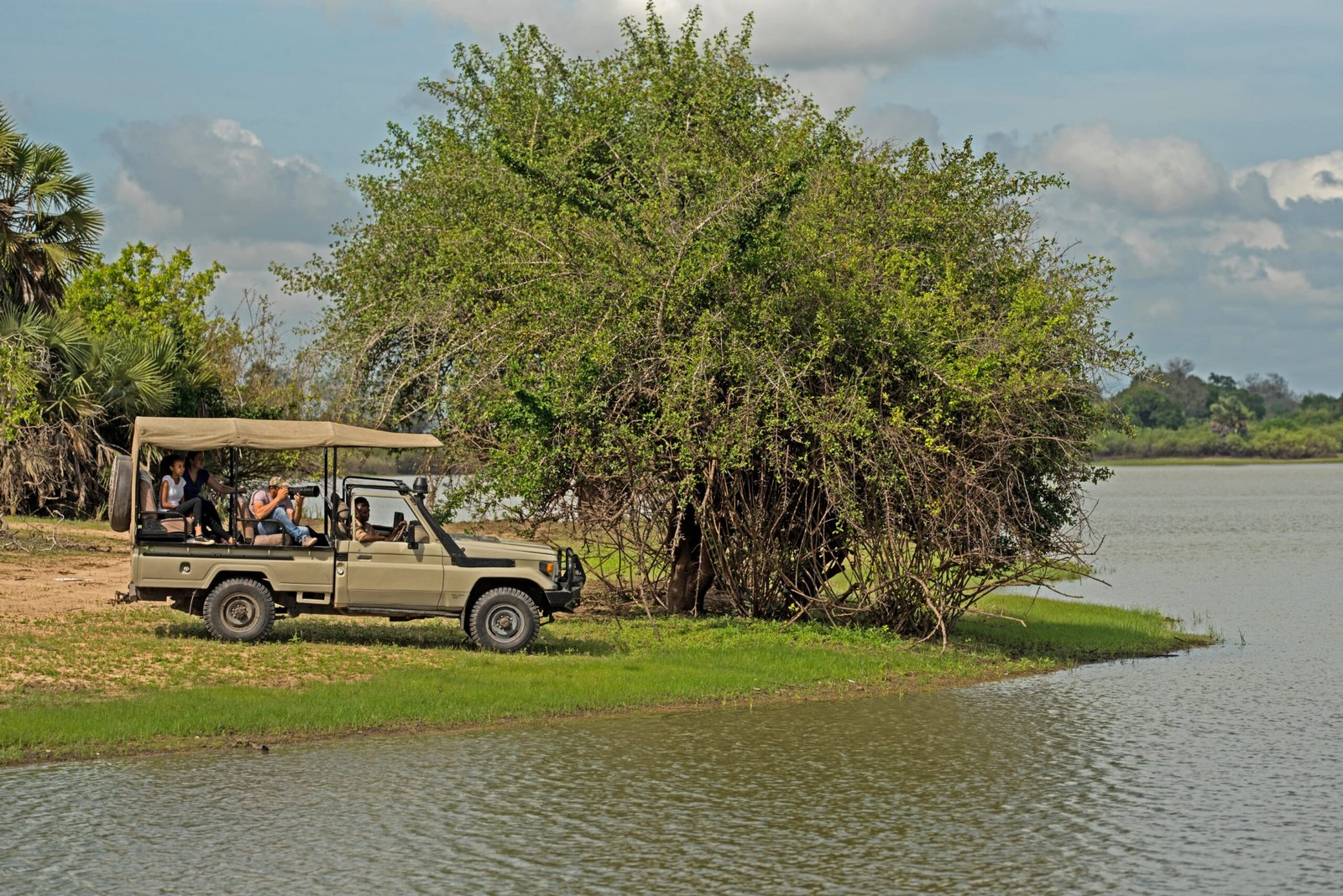
Boat Safaris on the Rufiji River: Unique to this park—spot hippos, crocodiles, and birds while gliding past palm-fringed riverbanks.
Walking Safaris: Led by expert rangers, these safaris bring you thrillingly close to the park’s flora and fauna.
Birdwatcher’s Paradise: Over 440 species of birds, including African fish eagles, kingfishers, and carmine bee-eaters.
Diverse Landscapes: From open plains and swampy floodplains to acacia forests and volcanic hot springs.
Best Time to Visit
The best time to visit Nyerere National Park is during the dry season (June to October), when wildlife congregates around water sources and vegetation is thinner—ideal for game viewing.
The green season (November to May) transforms the park into a lush paradise, perfect for birdwatching and photography, though some roads may be impassable due to rain.
How to Get There
By Air: The fastest and most convenient way is by charter flight from Dar es Salaam (about 45 minutes). Daily flights operate to several airstrips within the park.
By Road: The park can also be reached by a 5–6 hour drive from Dar es Salaam via Kibiti or Morogoro, though road conditions vary depending on the season.
By Rail: Travellers with more time can take the TAZARA train to Matambwe or Kisaki stations, followed by a short drive to the park gates.
Popular Attractions and Activities
Rufiji River Safari: A must-do activity offering close-up views of crocodiles, hippos, and aquatic birds.
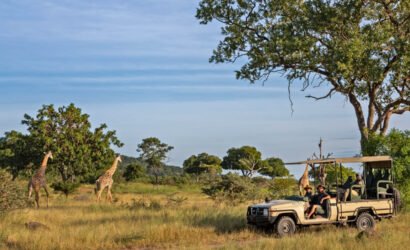
Game Drives: Morning and evening drives reveal predators, elephants, and a stunning diversity of plains game.
Hot Springs at Beho Beho: Natural thermal springs tucked deep within the park.
Walking Safaris: A rare opportunity in Tanzania—experience the bush on foot.
Stiegler’s Gorge: A dramatic 100-meter deep canyon on the Rufiji River and one of the park’s defining landmarks.
Accommodation Options
Nyerere offers a range of lodges and camps for different budgets, often located along the Rufiji River for stunning views and easy access to wildlife.
Luxury Lodges: Sand Rivers Selous, Roho ya Selous by Asilia, The Retreat Selous.
Mid-Range Camps: Selous Wilderness Camp, Serena Mivumo River Lodge, Lake Manze Tented Camp.
Budget Options: Nyerere Tented Camp, Africa Safari Selous, Selous River Camp.
Most accommodations include guided safaris, boat trips, and meals in their packages.
Travel Tips
Malaria Precautions: The park lies in a malaria zone—use insect repellent and consider prophylaxis.
Pack Light: Charter flights have strict weight limits; soft bags are recommended.
Stay Hydrated: Temperatures can get high, especially between December and February.
Combine with the Coast: Nyerere is easily paired with a beach stay in Zanzibar or Dar es Salaam for a bush-and-beach safari combo.
Follow Park Rules: Always stay inside vehicles during game drives and follow guide instructions for safety.