Tanzania / Northern Tanzania · 14,763 km²

The Serengeti.
Endless plains.
Endless wildlife.
No two mornings the same.

14,763
Square kilometres of protected park
1.9M
Wildebeest in the Migration
2,000+
Animal species in the ecosystem
Scroll
Serengeti · The Park
"The Maasai word for this place is Siringet. It means endless plains. You understand why within the first hour."

The Serengeti has been filmed more than almost any place on earth; yet, it still manages to surprise you. Stand in the southern Serengeti at dawn, with the grasslands running unbroken to the horizon in every direction and no other vehicle in sight, and that name makes complete sense.

The park covers 14,763 square kilometres of northern Tanzania. The landscape has barely changed since early humans first walked here two million years ago. Three distinct zones make up the park: the open southern plains where calving happens, the Seronera Valley in the centre where resident wildlife concentrates year-round, and the northern woodlands near the Mara River where the Migration's most dramatic crossings take place.

The Serengeti is not one experience. It is three or four, depending on the season and the sector. A guest who has visited twice, once in February and once in August, will tell you they saw completely different parks. Both times, the wildlife was extraordinary. The specific quality of extraordinary was entirely different.

In 2025, the Serengeti was named Africa's Leading National Park and Africa's Leading Big Five National Park at the World Travel Awards. The Big Five, including the black rhino, are all resident. The predator density is among the highest on the continent. Over 500 bird species have been recorded. Between 2,000 and 3,000 animal species live within the ecosystem. The numbers are remarkable. The experience of being inside them is something the numbers cannot prepare you for.
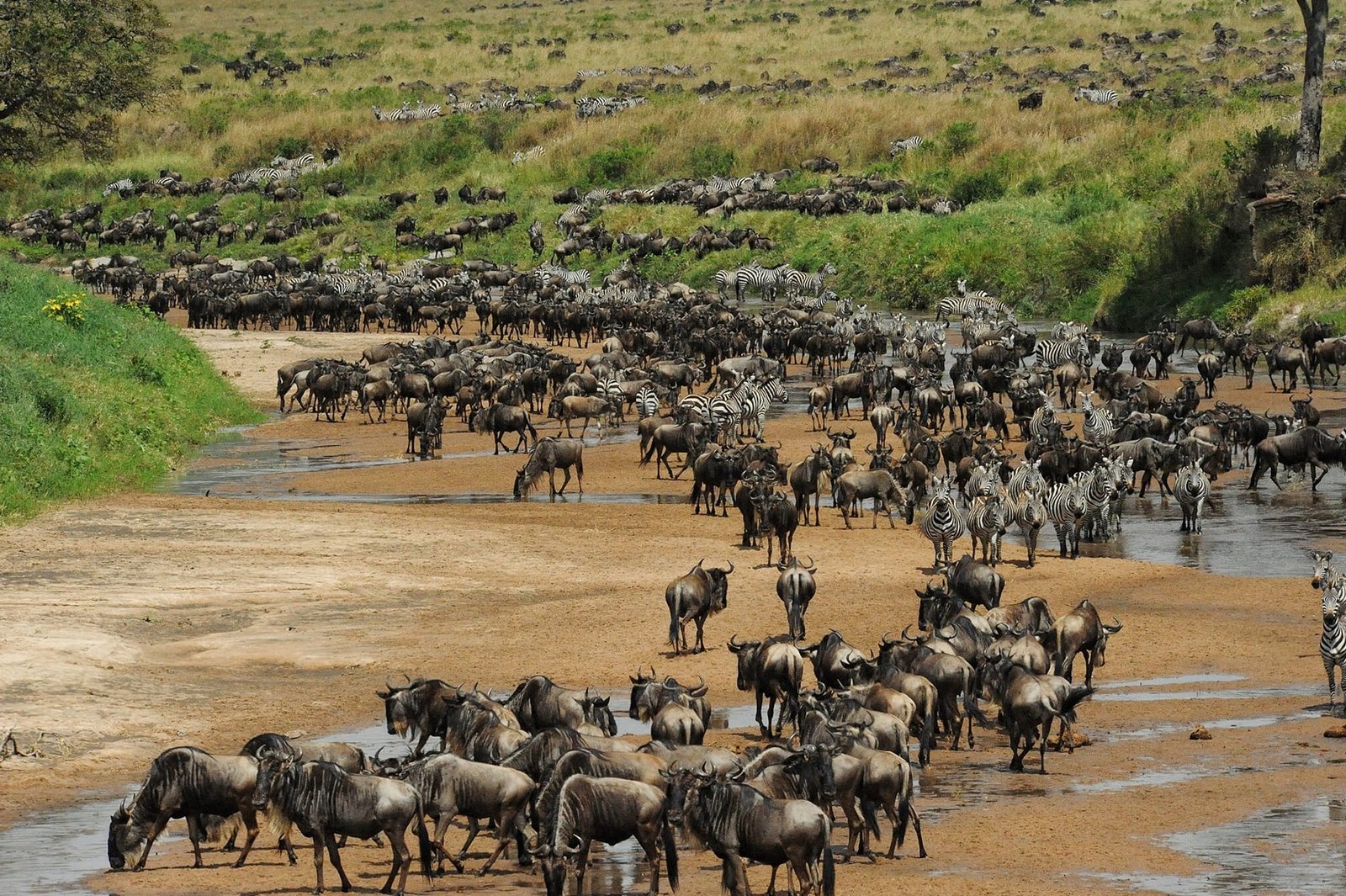
The Migration: Two Acts Act one: calving season from December through March on the southern plains, when hundreds of thousands of wildebeest give birth and predators follow. Act two: the Mara River crossings from July through October in the northern Serengeti, when the herds surge the crocodile-filled water in their push north. The Serengeti hosts both. Most parks host neither.
Three distinct zones, three different experiences Southern plains for calving and open vistas. Seronera Valley for resident big cats and year-round density. Northern Serengeti for the Mara River crossings. Where you stay determines what you see. An Anvir itinerary is built around the season you are travelling in, not a fixed template.
UNESCO World Heritage Site since 1981 One of the first national parks in Africa to receive the designation, recognised for an ecosystem that has functioned largely without human interference for over two million years. The Serengeti remains one of the last places on earth where wildlife roams freely at this scale.
Breadth of wildlife Between 2,000 and 3,000 animal species live within the Serengeti ecosystem. That figure includes 500 bird species, 70 large mammal species, and predator and prey populations that have coexisted in balance here for two million years. No single game drive covers all of it. That is precisely the point.
Great Migration wildebeest Serengeti National Park Tanzania

Great Migration, Serengeti National Park, Tanzania
Serengeti · Know the Zones

Three zones.Three different safaris.

The Serengeti is not one place. Where you are positioned inside it shapes everything about your experience. Here is what each zone delivers and when.

South · Dec to Mar
Southern Plains

Short-grass plains stretching to the Ngorongoro border. This is where the calving season happens from December through March. Hundreds of thousands of wildebeest give birth within a few weeks of each other. Cheetahs, lions and hyenas follow. The predator activity during calving is extraordinary and largely undervisited compared to the river crossings. An early morning drive here in January feels like the Serengeti before the world discovered it.

Centre · Year-Round
Seronera Valley

The heart of the park and its most consistently productive game viewing area. The Seronera River sustains resident populations of lion, leopard, cheetah, elephant and giraffe year-round. When the Migration passes through, the density becomes staggering. The central location makes it the most accessible sector and the default base for most Serengeti itineraries. There is a reason for that: resident wildlife here is exceptional in every season.

North · Jul to Oct
Northern Serengeti & Lamai Triangle

The Lamai Triangle sits in the northernmost corner of the Serengeti, where the Mara River runs east before crossing into Kenya. From July through October, this is where the river crossings happen. The herds mass on the southern bank, read the water, hesitate, and then commit. When they go, they all go. The Lamai Triangle is harder to reach than the central or southern Serengeti. It is worth every extra hour of travel.

West · May to Jul
Western Corridor

The narrow western arm of the park runs along the Grumeti River toward Lake Victoria. The Migration moves through here between May and July, and the Grumeti River crossings, though less famous than the Mara crossings to the north, are dramatic in their own right. The resident crocodile population in the Grumeti is significant. The western corridor is less visited than the central or northern Serengeti and rewards those who come with genuine solitude.

Private · Year-Round
Grumeti Reserve

A 350,000-acre private concession on the western edge of the Serengeti, bordering the park. Singita manages three properties here. Night drives and walking safaris are permitted. Wildlife density is exceptional and the vehicle numbers are controlled. For guests who want the Serengeti without sharing it, Grumeti is the answer. The lion population is resident and well-studied. The guides here know individuals by name.

"The Serengeti is always open. By shifting locations between zones, you are guaranteed high-density wildlife viewing regardless of when you travel."
Plan Your Safari
Serengeti · Timing Your Visit

The Serengeti rewards you
every month of the year.
Here is what each season delivers.

Dec – Mar
Calving Season

The southern plains fill with wildebeest giving birth. Predators concentrate where the calves are. Lion and cheetah activity reaches its peak. Short grass, clear skies and the best photography light of the year. One of the most underrated windows in the entire Migration calendar.

Apr – May
Long Rains

The park turns green and the long rains arrive. Visitor numbers drop. Rates fall. Some remote roads become inaccessible. But for those who come, the Serengeti in green season is a different kind of beautiful. Bird life peaks. The central valley remains excellent. A good window for experienced travellers who want solitude and lower prices.

Jun – Oct
Migration Season

The herds move north through the Western Corridor in June and reach the northern Serengeti by July. The Mara River crossings run through October. This is the most sought safari window in East Africa. Book the northern camps at least six months in advance. The best positions fill early and the season does not wait.

Nov
Shoulder

Short rains in November pass quickly. The herds begin their return south. Wildlife is active and the vegetation is fresh. Visitor numbers ease from the Migration peak. A sensible choice for travellers who want the quality of the dry season without the peak crowds. Most lodges reduce rates slightly through November.

Serengeti · What We Design Into Your Journey

Beyond the game drive

The experiences Anvir builds into a Serengeti itinerary for guests who want more than the standard circuit.

01
Signature · Jul – Oct

Mara River Crossing

The northern Serengeti. The Mara River. A thousand wildebeest at the bank, working up the nerve. Then one breaks. Then they all break. The crocodiles come from the shallows. In under a minute, the river becomes something that does not translate into a photograph. Your position matters enormously. Your guide's knowledge of the crossing points matters more. We make sure both are right.

02
Dawn · Year-Round

Hot Air Balloon Safari

A pre-dawn start. The balloon inflates in darkness. Then you lift, and the Serengeti opens beneath you in every direction. Giraffes moving through acacia woodland. Elephant herds in the long grass. The light arriving slowly from the east. You do not hear an engine. You do not hear another person. A champagne bush breakfast follows on the ground. One of the most requested additions to any Serengeti itinerary.

03
Dec to Mar · Southern Plains

Calving Season Drives

Less famous than the river crossings. More consistently extraordinary. Between December and March, the southern plains host the calving season. Hundreds of thousands of wildebeest give birth within weeks of each other. Cheetahs hunt in open grass. Lions work in coordinated groups. Hyenas shadow every birth. An early morning drive in January on the southern plains is a master class in how predator-prey dynamics actually work.

04
Grumeti Reserve · Private Concession

Walking Safari

Walking is permitted in the private concessions, not inside the national park. In the Grumeti Reserve, you leave the vehicle and move through the bush at eye level with the grass. Your guide reads tracks, identifies birds by call and explains the relationship between species with the specificity that comes from years in one place. The walk ends. You sit back in the vehicle. The game drive that follows feels different from every game drive you have done before.

05
Mobile Camps · Migration Tracking

Follow the Migration

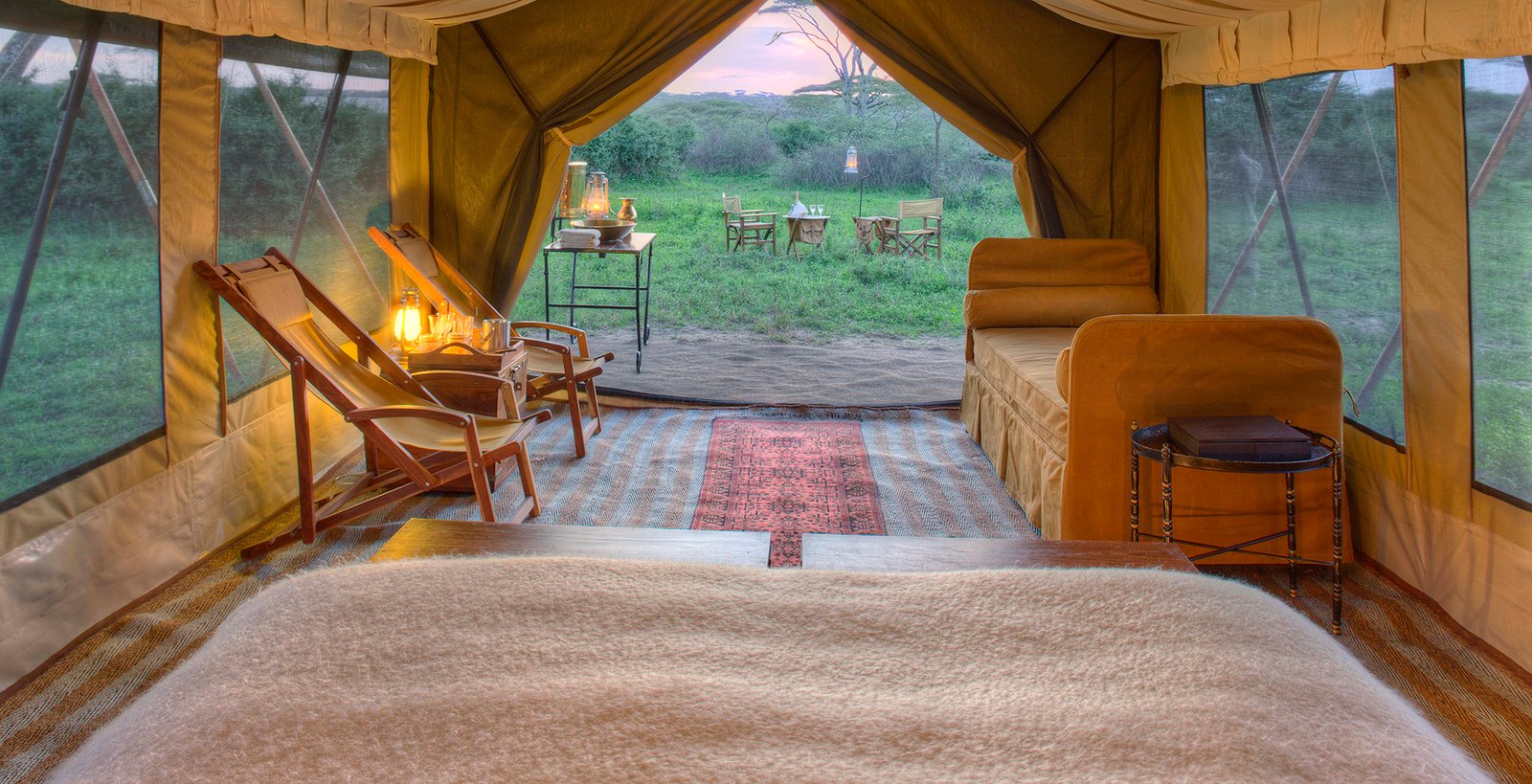
Select mobile camps in the Serengeti physically move five times a year to position themselves as close to the Migration as possible. You wake up, and the herds are outside. Not in the distance. Outside. Camps like andBeyond Serengeti Under Canvas have nine tents, a private butler and enough silverware to make you forget you are in a tent. Following the Migration rather than waiting for it is the most intelligent way to experience it.

06
Night · Grumeti Reserve

Night Drive

Night drives are only available in private concessions. The Serengeti after dark operates on a completely different rhythm from the park you drove through at dawn. Leopards are hunting. Aardwolves cross open ground. Genets appear in the torch beam. The sound of hyenas calling across the valley carries further than you expect. What the animals do when the tourist vehicles leave for dinner is genuinely worth staying up to see.

07
Bush · Year-Round

Sundowner & Bush Dinner

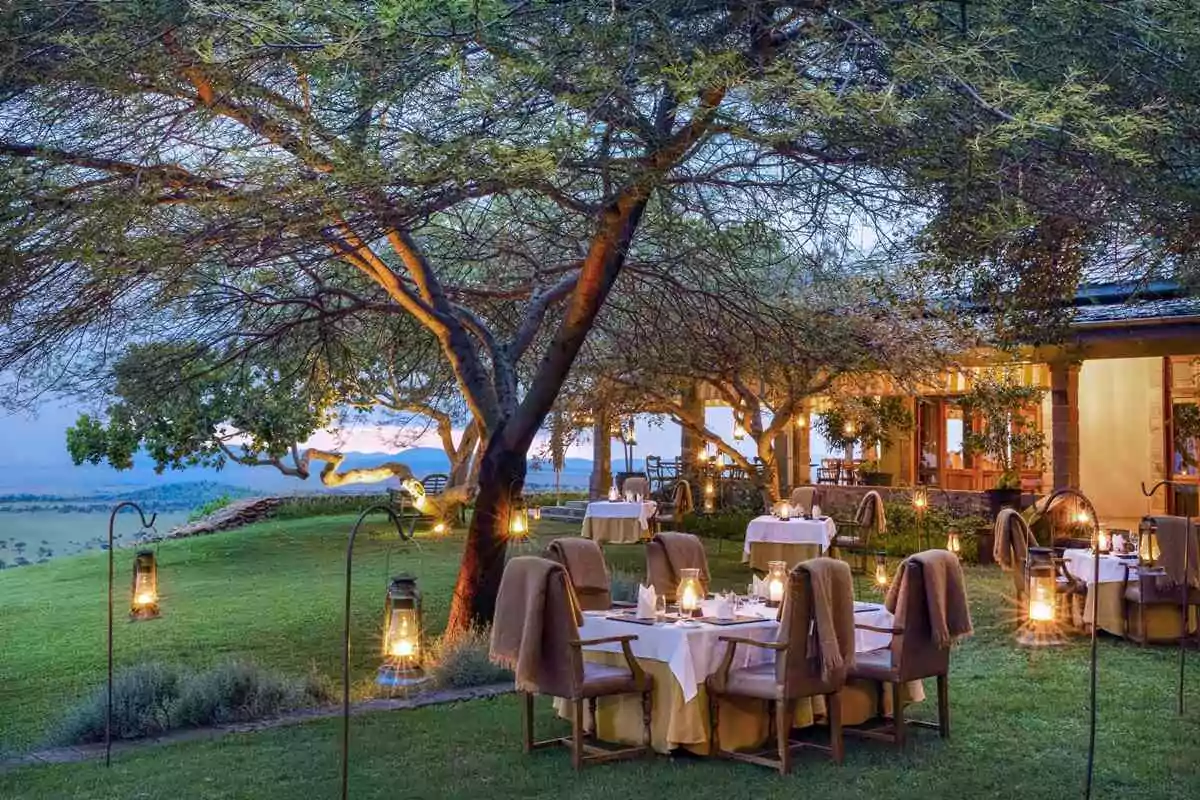
The vehicle stops on a ridge as the light goes amber. Drinks appear. The Serengeti plains run south beneath you further than your eye can follow. Then, later, a table set in the open grass under no canopy but the stars. Hot food, linen, a fire nearby. The waiter who refills your glass is the same man who spotted the leopard this morning. He knows exactly where he is. So, eventually, do you.

08
Culture · Year-Round

Maasai Village Visit

The Maasai have lived alongside the Serengeti for centuries. Their cattle and the wildlife have coexisted on these plains long before the park was gazetted in 1951. A visit to a Maasai boma near the park boundary, arranged through community relationships, offers a context for the ecosystem that the game drive alone does not provide. The Maasai understand this land at a level that no amount of wildlife documentaries can replicate.

Serengeti · Where to Stay

Our picks.
Three categories.
All personally vetted.

Category One
Ultra-Exclusive
Private concessions. Controlled vehicle numbers. Fewer than 20 guests at any time. Night drives and walking safaris included.
Singita Sasakwa Lodge Grumeti Reserve Serengeti Tanzania Ultra-Exclusive
Grumeti Reserve · Western Serengeti

Singita Sasakwa Lodge

An Edwardian-style manor perched on a hilltop in the private Grumeti Reserve, overlooking the western Serengeti plains. Nine cottage suites. An infinity pool. A wine cellar. Access to 350,000 acres of private concession with walking safaris, night drives and controlled vehicle numbers. When the Migration moves through the western corridor between May and July, Sasakwa is positioned directly in its path.

Singita Mara River Tented Camp Lamai Triangle Serengeti Ultra-Exclusive
Lamai Triangle · Northern Serengeti

Singita Mara River Tented Camp

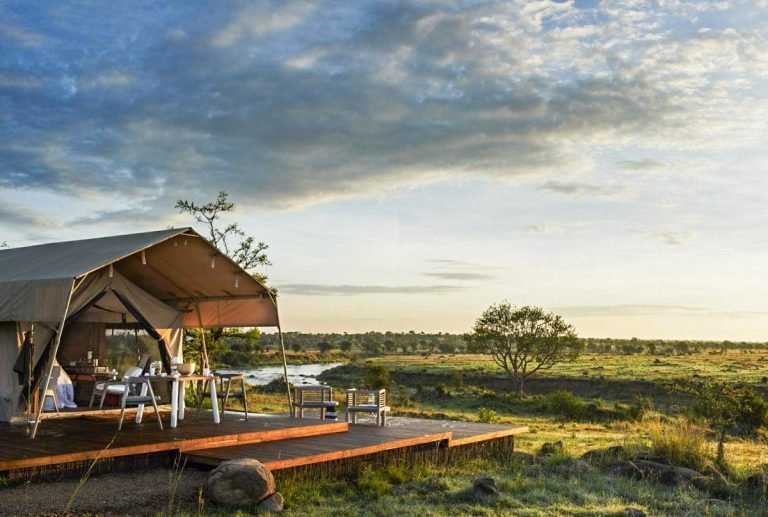
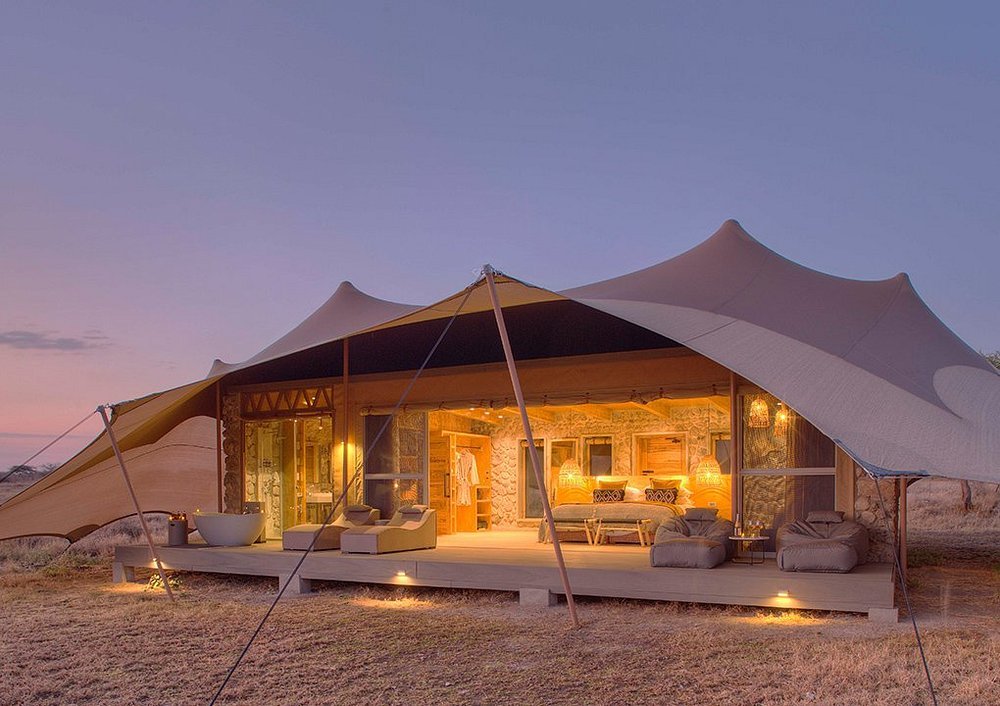
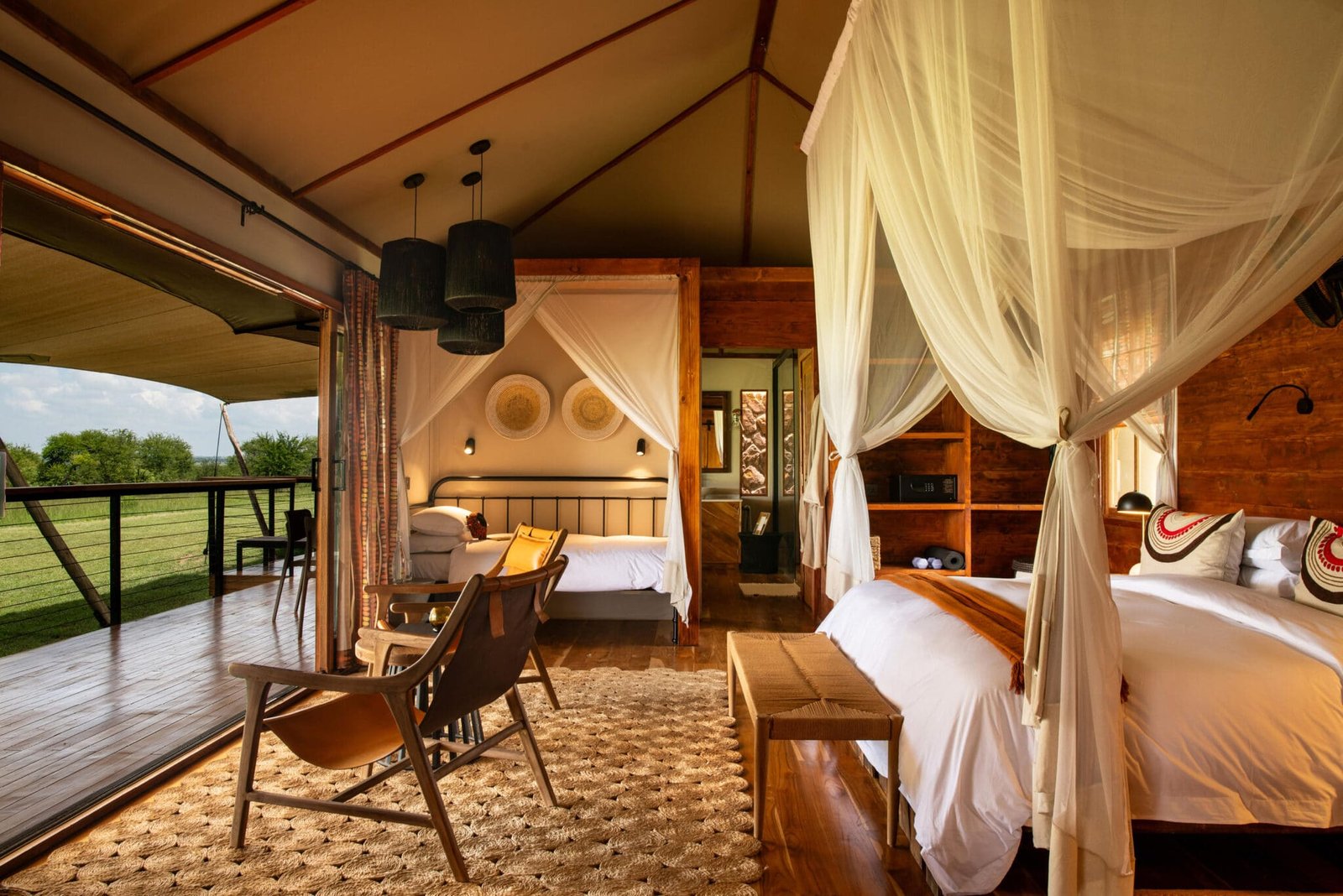
Six suites overlooking a bend in the Mara River in the Lamai Triangle, the northernmost corner of the Serengeti. The Migration's most dramatic crossings happen within walking distance of the camp. The sound of rushing water and thundering hooves blend into one another from the tent deck. Six suites only. Exclusive, deliberately remote, and positioned at the most dramatic point in the entire Migration circuit.

andBeyond Serengeti Under Canvas mobile luxury camp Tanzania Ultra-Exclusive
Mobile · Follows the Migration

&Beyond Serengeti Under Canvas

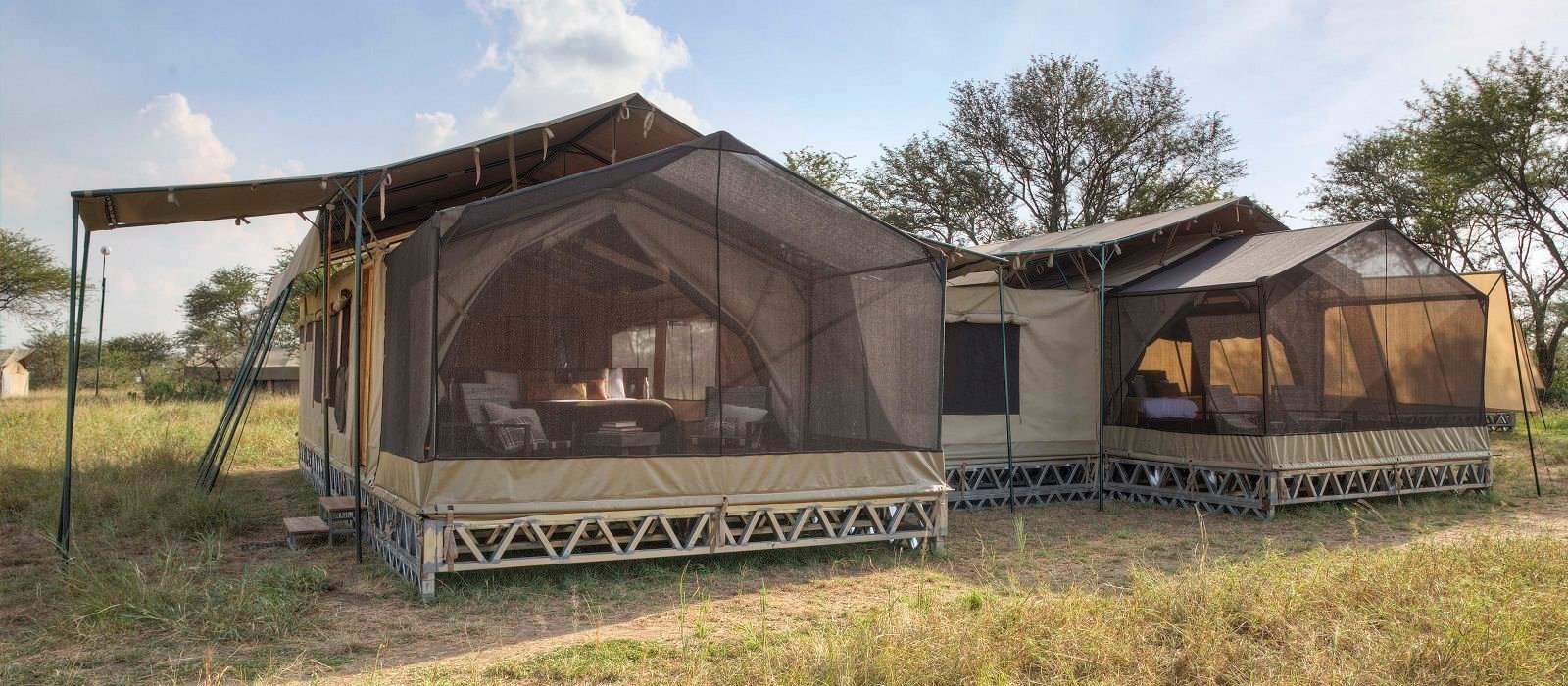
Nine tents. Moves five times a year. Private butler service, chandeliers, silverware and outdoor bucket showers. This camp physically relocates to stay as close to the Migration as possible throughout the year. You do not chase the herds. You wake up and they are outside your tent. A complimentary pair of Swarovski binoculars comes standard. The camp stays in private sites only, ensuring no other guests share your location.

Category Two
Premium Luxury
Full-service. Excellent guiding. Strong access to wildlife. Well-suited to first-time Serengeti visitors and those who want comfort without the ultra-exclusive price point.
Four Seasons Safari Lodge Serengeti Tanzania luxury Premium Luxury
Seronera Valley · Central Serengeti

Four Seasons Safari Lodge Serengeti

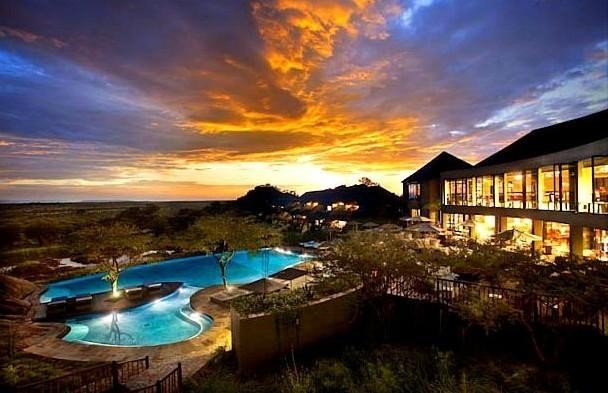
Positioned in the Seronera Valley, the most consistently productive game viewing zone in the park. A full-service lodge with multiple restaurants, a spa, an infinity pool and 77 rooms and suites. The Marriott-level consistency reassures first-time safari guests who want international brand familiarity alongside genuine wildlife access. A waterhole visible from the lodge attracts elephant and buffalo. The guiding is strong and the location is hard to beat for year-round resident game.

Namiri Plains Serengeti cheetah territory Tanzania Premium Luxury
Eastern Serengeti · Cheetah Territory

Namiri Plains

The eastern Serengeti was closed to tourism for twenty years to allow the cheetah population to recover. Namiri Plains was the first camp permitted back in, and it sits in what is now one of the highest-density cheetah habitats on the continent. Eight tents only. The open plains surrounding the camp are exactly what cheetahs need: space, sight lines and prey. If seeing a cheetah hunt is a priority, Namiri Plains is the most intelligently positioned camp in the Serengeti to make it happen.

Sayari Camp northern Serengeti Mara River Tanzania Premium Luxury
Northern Serengeti · Mara River

Sayari Camp

Fifteen tented suites in the northern Serengeti, a short drive from the Mara River crossing points. Open from July through mid-November to align with the Migration's northern movement. Sayari is consistently ranked among the top Serengeti camps for the quality of its guiding and the positioning relative to the crossings. A full-length veranda on each tent faces the plains. The camp's community relationships with local Maasai are among the strongest of any operation in this sector.

Category Three
Well-Appointed
Comfortable, reliable and well-located. Solid game access and guiding at a more accessible price point.
Serengeti Serena Safari Lodge Tanzania central park Well-Appointed
Seronera Valley · Central Serengeti

Serengeti Serena Safari Lodge

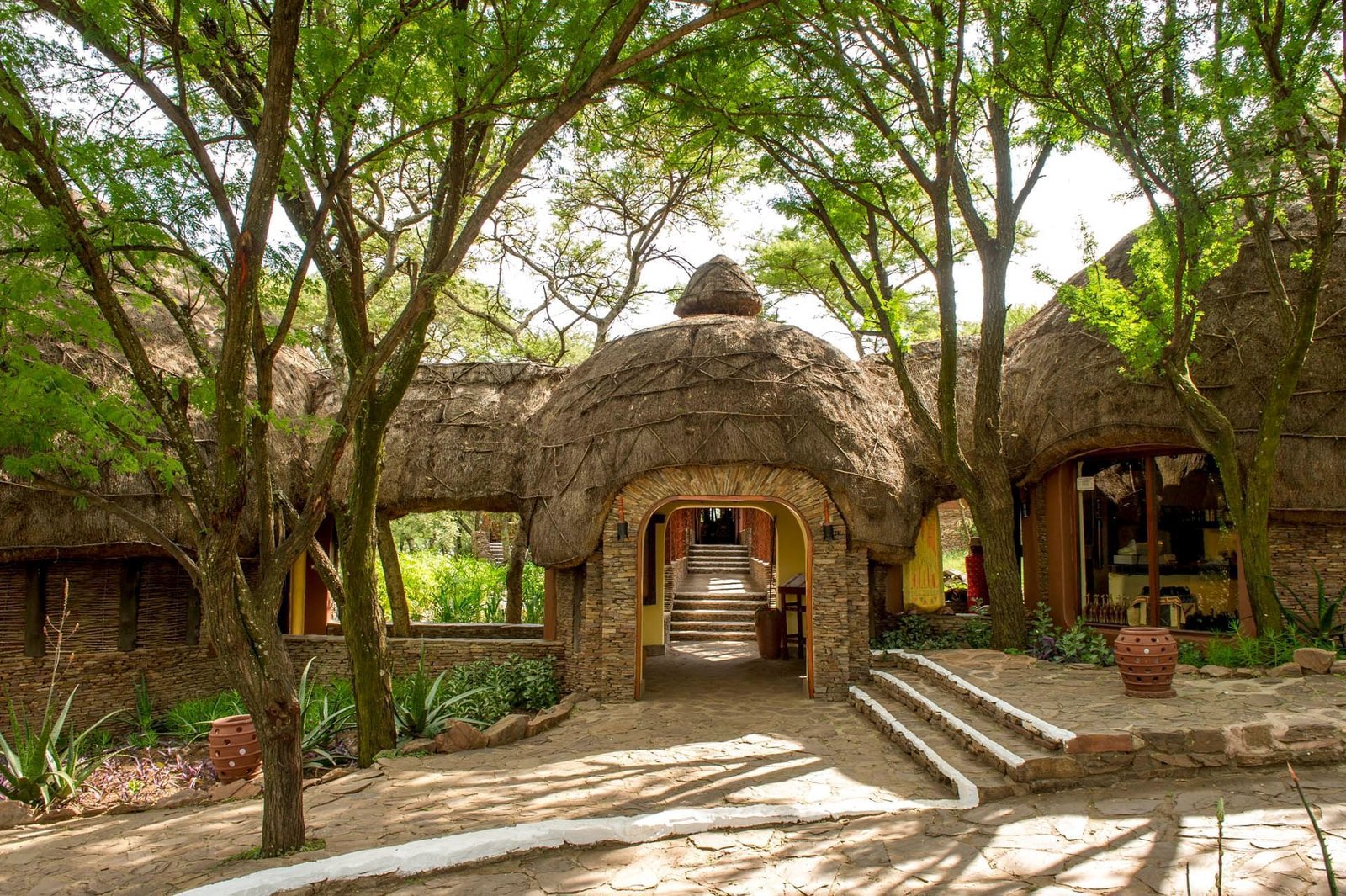
A well-established lodge in the Seronera Valley, built to resemble a traditional Maasai village. 66 rooms, a swimming pool and a consistent track record for families and group travel. The central location means good access to resident game year-round and to the Migration when it passes through. The Serena brand delivers reliable service and solid guiding across East Africa. A strong base camp for a first Serengeti visit.

Olakira Migration Camp mobile Serengeti Tanzania Well-Appointed
Mobile · Northern and Southern Serengeti

Olakira Migration Camp

A mobile camp that moves between the northern and southern Serengeti to stay close to the Migration. Less expensive than the Singita mobile options but follows the same logic: position matters more than permanence. Eight tents. Good guiding. Genuine access to the Migration across multiple seasons. For guests who want to follow the herds without the ultra-exclusive price tag, Olakira is the most sensible choice in this category.

Kubu Kubu Tented Lodge Serengeti Tanzania Well-Appointed
Central Serengeti · Kopje Country

Kubu Kubu Tented Lodge

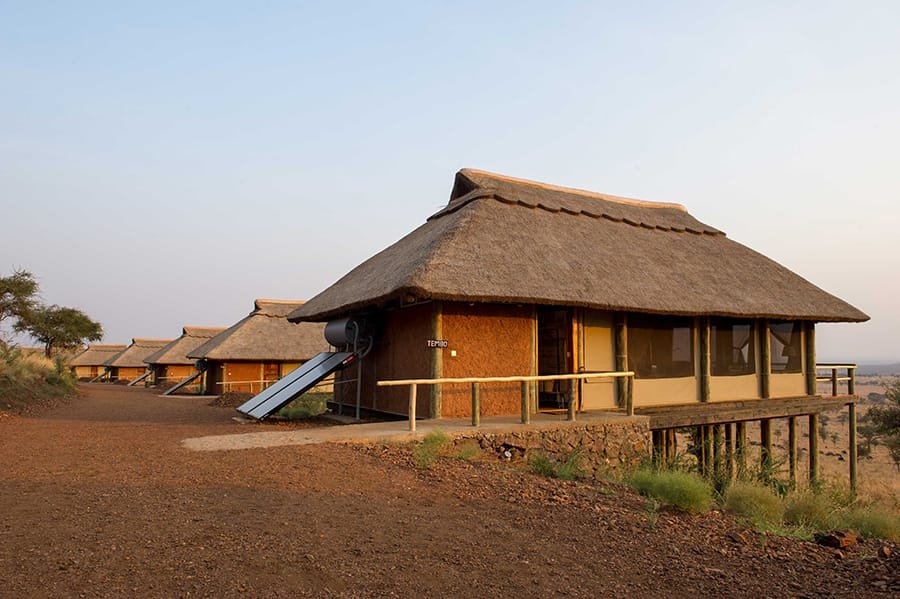
Set among the granite kopjes of the central Serengeti, Kubu Kubu offers a genuine tented camp experience at a price point well below the premium category. Twelve tents on raised platforms overlooking the plains. The kopje setting is one of the most dramatic in the park: lions use these ancient rock formations as lookout points and resting spots. A morning watching a pride stretched across a sun-warmed kopje from your veranda is a specifically Serengeti experience that the big lodges in the valley cannot replicate.

How we plan
your Serengeti safari.

1
Discovery

We start with a conversation. Who you are, what you have done before, what matters to you and the vision you have for the trip. We listen before we plan.

2
We build the itinerary around you

Every transfer, every activity, every morning is designed for your pace. Nothing generic. Nothing templated.

3
We match you to the right camp

Not the most expensive. The right one. Season, zone, access and your priorities all determine where you stay.

4
We are with you throughout

One point of contact from departure to return. You do not have to think about who is doing what. You just show up and enjoy your safari.

Begin Your Journey.

Let's make this happen.

Start Planning

The first step

Your Serengeti safari
begins with a conversation.

Tell us what you are looking for. We will design the rest around you.