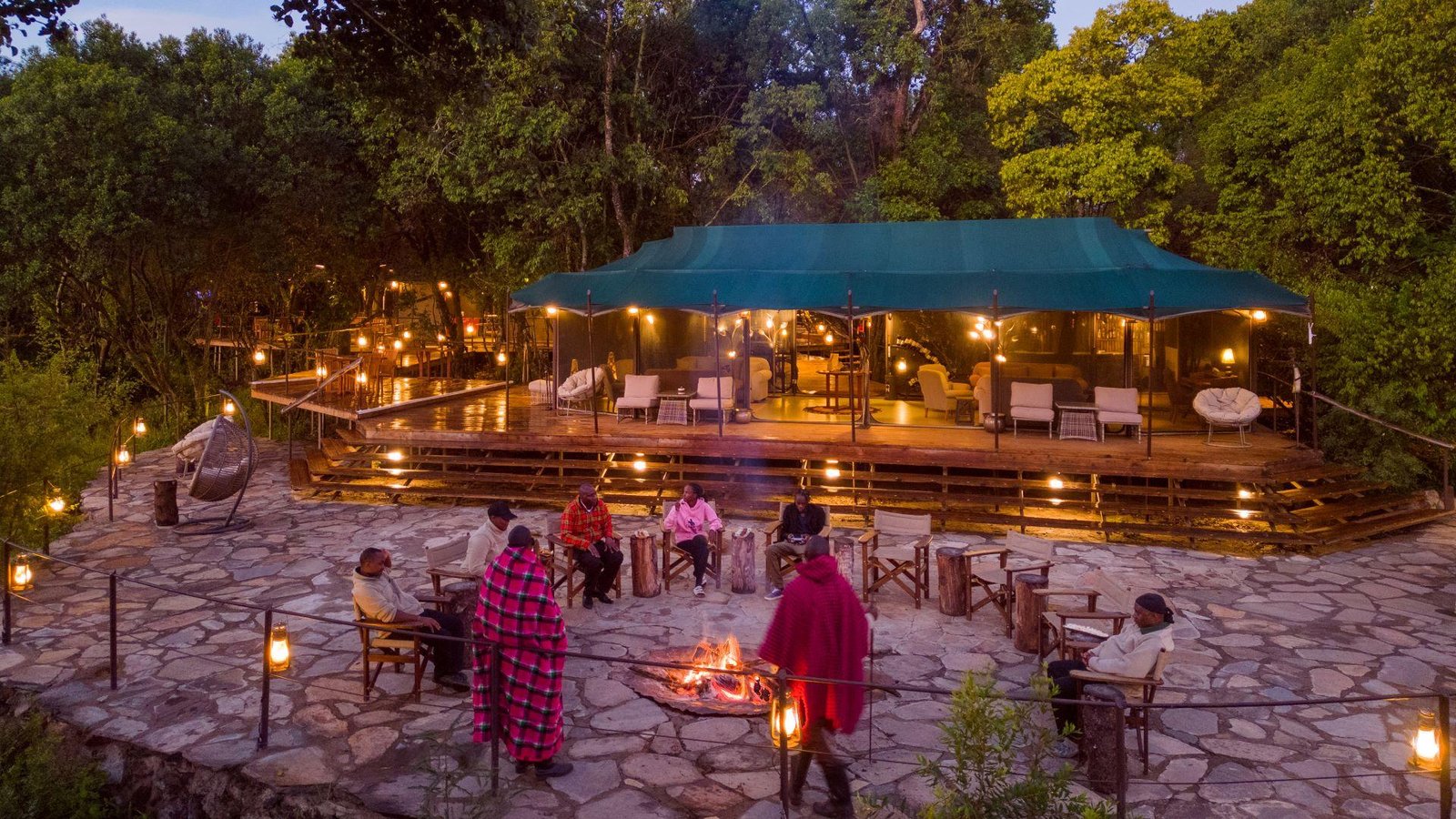
The Mara has been filmed more than almost any place on earth; yet, it still manages to surprise you. The Maasai Mara covers 1,510 square kilometres in southwest Kenya, but the wider Mara ecosystem, including the 15 conservancies that ring the reserve, doubles that. Together they form the northern half of the Serengeti-Mara ecosystem, which spans over 25,000 square kilometres across two countries. This is one of the most biologically productive landscapes on Earth.
The lion density here is among the highest recorded anywhere in Africa. Roughly 850 to 900 lions live on the Kenyan side of the ecosystem. In the prime lion viewing areas, counts reach 25 to 30 per 100 square kilometres. The famous Marsh Pride has been studied and filmed continuously since the 1970s. The BBC's Big Cat Diary brought the world here. The world never quite left.
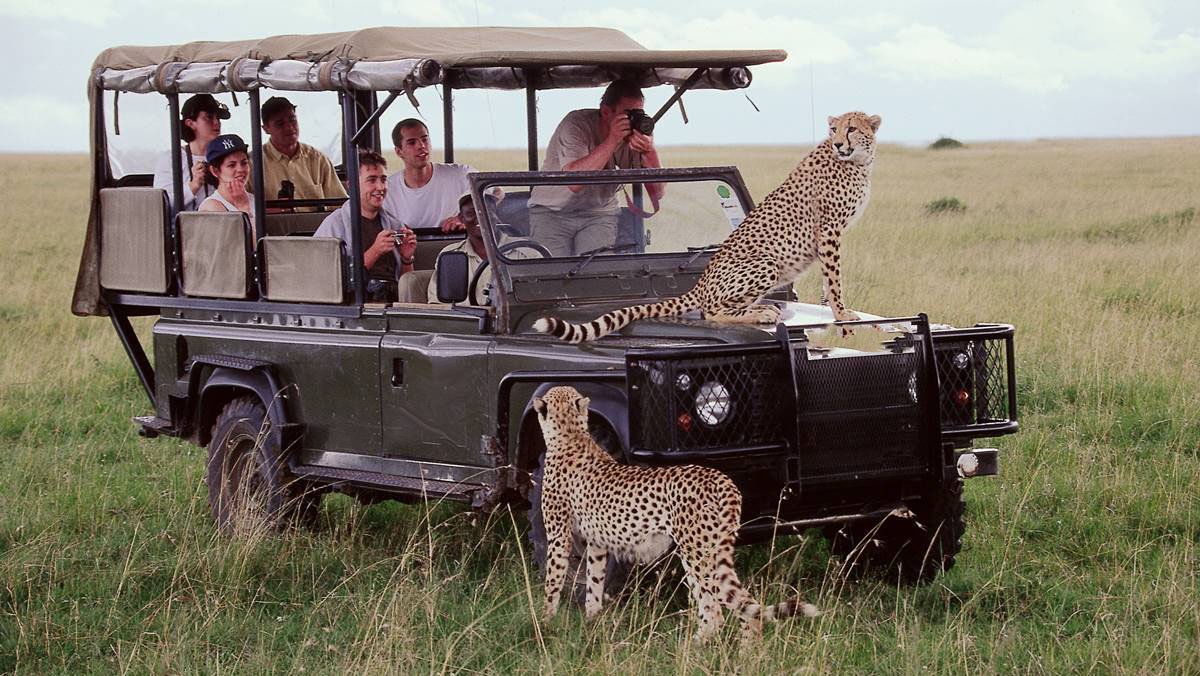
Cheetahs have one of their last great strongholds in this ecosystem. Over 1,000 individuals range across the southwest Kenyan and north Tanzanian grasslands, out of just 7,000 remaining worldwide. On a good morning in the Mara, you can watch a cheetah hunt. On a great morning, you do not need to go looking. It finds you.
Then there is the silence. In the conservancies outside the main reserve, where vehicle density is controlled and night drives are permitted, the Mara operates on a different register entirely. At 6am, with the mist still on the Talek River, the only sound is the grass moving. That, and the hippos.
The Marsh Pride territory, Musiara sector, Maasai Mara